I'm a wife, mother, Christian, closet Luddite, Neanderthal advocate, incurable book hound.
I'm also the author of The Scattering Trilogy, which is set in 10,000 B.C. Buy, read, pass it on!
Leave comments. Let's talk!
Lenny Guerrero was Search and Rescue, Truck 48, the first truck. A broad, strong, boyishly handsome man in his mid-thirties, he was at the truck’s side near the curb, near the lawn. The light arrays from the truck and the nearby engine, Engine 39, flashed scarlet and shadow over him as he worked to get himself game ready. Strapping his air pack on, his mask on, his hood on, his helmet.
The House of Love and Death, by Andrew Klavan, p. ix
Look at the poetic use of repetition that doesn’t seem strained.
(Why, you ask, is Oregon so greedy with the plant names? Well, remember that at one time, Idaho was part of Oregon Territory. The name Idaho was made up and used later.)
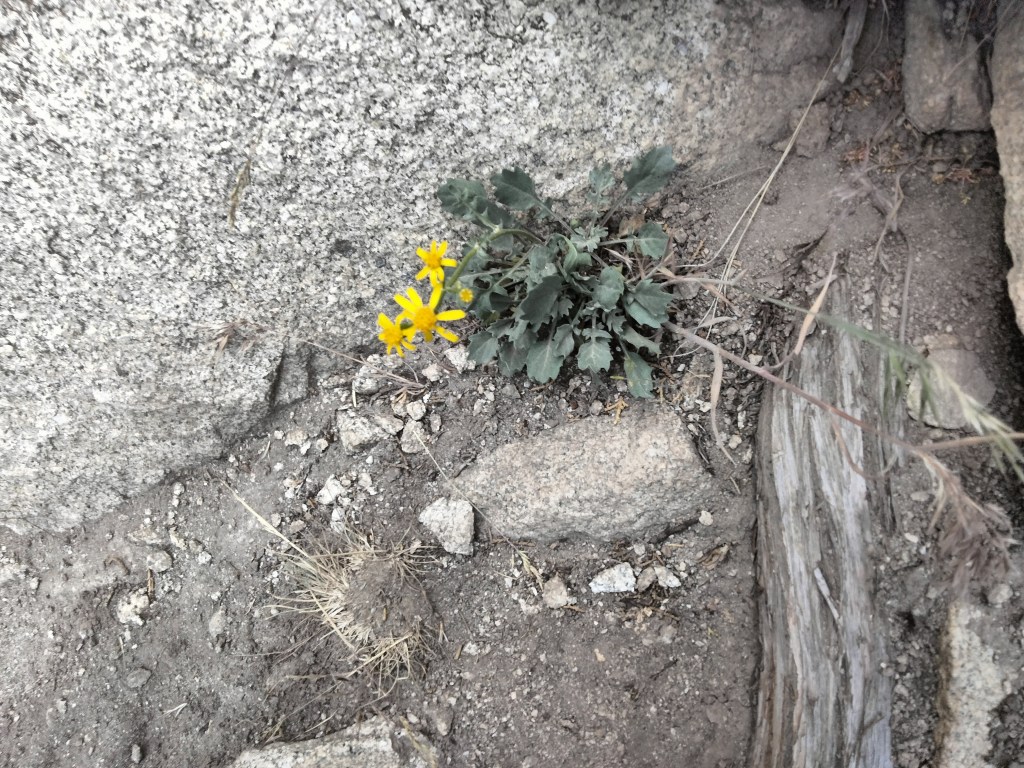
“The leaves may be entire, lobed, or deeply cleft into several narrow segments. Open, dry places, valleys and plains to alpine zones. Meriwether Lewis collected a specimen of this species on June 6, 1806, along the high uplands of the ‘Kooskooskee’ (Clearwater) River, near ‘Camp Chopunnish,’ or present-day Kamiah, Idaho.” (Falcon Guide, p. 108)
As you might expect from a Ludlum novel written by somebody else, this book has the feel of something made on an assembly line. It has all the parts and doodads that you expect from the genre, and it does what you want it to do (in this case, be thriller), but it has no particular artistry or character. To be fair, this also means it’s lacking some of the flaws that might show up in quirkier, more idiosyncratic books.
Pacing and Action: A+
This is, I gather, the outstanding characteristic of Bourne books. The action is almost constant. Nevertheless, the author does a good job of introducing characters and explaining the setup and the stakes, so that we don’t get the phenomenon of action that we don’t know the significance of. I will say that to a certain degree, tension is inflationary, so the shock and horror isn’t quite as shocking and horrible as it would be with a slower buildup.
Tours of Foreign Cities: A
Traveling the world is one of the things we expect from the Bourne novels. Freeman does a good job of making us feel as if we are familiar with the cities where the action takes place by mentioning particular roads, parks, markets, and squares. He also does a decent job with the weather and atmospherics.
Russians Betraying Each Other: A
Also other spies betraying Bourne, and Bourne possibly betraying other people (who knows, since he lost his memory). The hypocrisy of people in espionage, as well as the messed-up kind of person that years in espionage makes you, is a major theme of this book. Speaking of which:
Character Development: B-
The book tries to do some character development with Bourne discovering his past, wishing he could get out of the espionage game, and realizing that he has been made into the kind of person who probably isn’t capable of anything else. There’s a fair amount of character development given that this is a thriller. But, the thriller distinctives limit the emotional impact of all this, at least for me. The pace is too fast and the writing too matter-of-fact for character development to get really emotional. Speaking of which:
Relationships between Men and Women: C-
Okay, so there is a lot of sex. Including one scene that lasts several pages. But it’s written the way a man would write it, which is to say, the emotional element is minimal. Speaking of which:
Portrayal of Women: D
Hmm, where to start?
Obviously, we are talking about spy women, so that skews the sampling. But these ladies are ruthless killers. They are also … how to put it …? Not overly concerned with monogamy. They can go from killing to kissing, or worse, in no time flat. They don’t seem to get emotionally attached as a result of sexual involvement, the way a normal woman would. They aren’t adversely affected by all the gruesome things they have to do, even as much as Bourne is.
There are two women who don’t appear to be nymphos, but they are both cool as cucumbers. One only cares about science, one about spycraft. You know, like most women you meet.
Also, spy goddess is petite and very athletic, but also has “deep curves.” I dunno. Deep curves (such as wide hips) affect the way a person runs, tumbles, throws, etc. I went through most of the book picturing her as wiry and boyish, and then all of a sudden the author threw these curves at me. Also, their hair is always loose. Not very practical, ladies.
I’m not even trying to be feminist here. I just find these women hella unrealistic and unrelatable, which in turn makes the “romance” (such as it is) tepid.
Russians Talking: F-
This was the thing that annoyed me the most, because it messed with the verisimilitude even more than the Bond-style spy women. Many of the characters in this book are expatriate Russians. Many of them need to monologue to explain their positions. All of them talk exactly like an American explaining something in a business seminar. Listen, Russian sentence structure, word choice, and so on, is very distinctive, even when they are speaking English. It should not have been hard to watch a few movies where this was well done, and then imitate it in this book. If you are going to research foreign cities and bring them to life, why not make the dialogue believable too? I think I would have enjoyed this book a lot more if the Russians had sounded like Russians. And it would have supported the theme. Make them sound like Russians!
A joke is told about the time that Brezhnev was showing his mother around a swanky new dacha (summer cottage) he had obtained, and she was getting increasingly worried as the tour continued. He finally asked her what was wrong, and she said, “But Leonid, what if the communists come back?”
Doug Wilson, in his July 31 article “On Shooting Your Way Out”, blog and mablog
“The bright yellow flowers give way to a grapelike cluster of purple berries with whitish coating. In the fall, some of the leaves often turn bright red, orange, or bronze.
“The tart berries make a refreshing, lemonade-like drink and fine jelly or wine. The yellow inner bark was used by Native Americans as a yellow dye and as a medicine with many applications.”
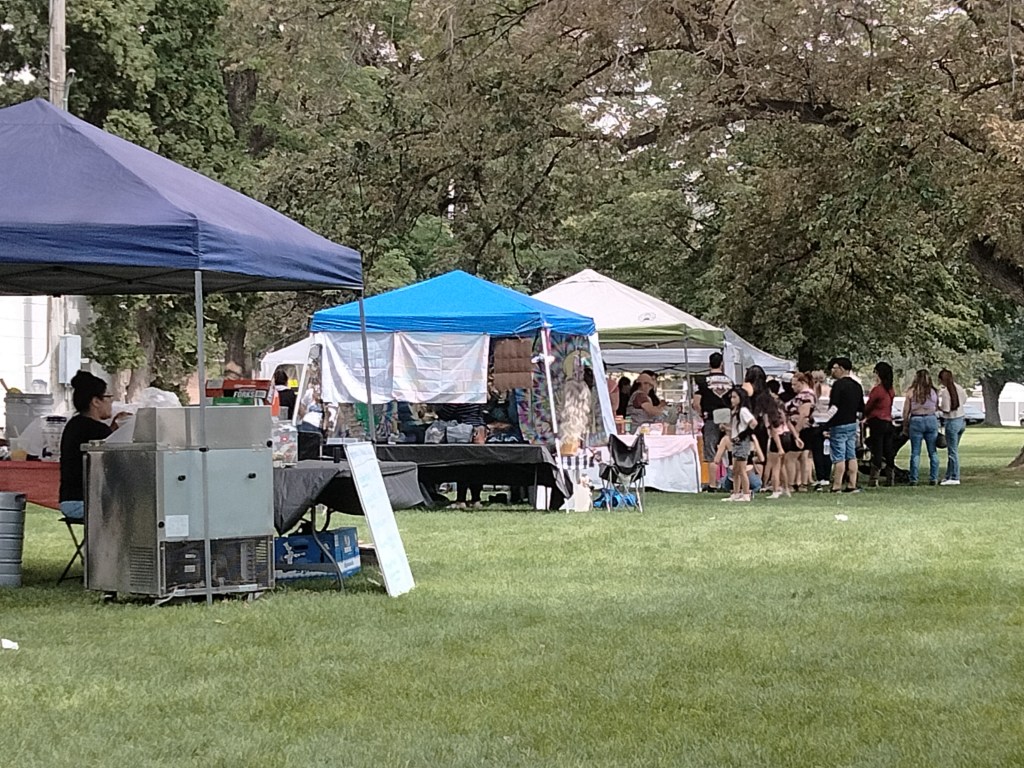
Here was our sales booth at this year’s American Falls Days. We did OK. I sold two Long Guests and my son sold some paintings.
Here are a few other vendors, visible from our corner of the park. The Navajo Tacos are to die for: basically taco fixins on fry bread. I get some every year.
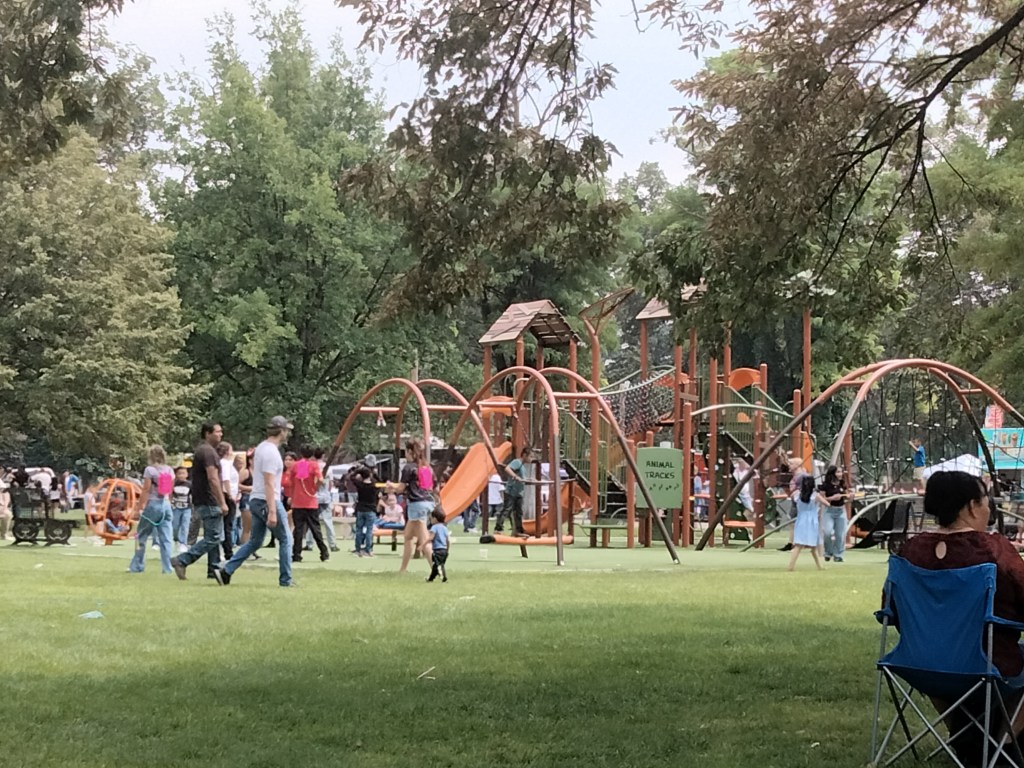
Vendors were ringed all around the city park, with food trucks parked on the street.
Also, there was this adorable dog, the tiniest sheep dog I have ever seen.
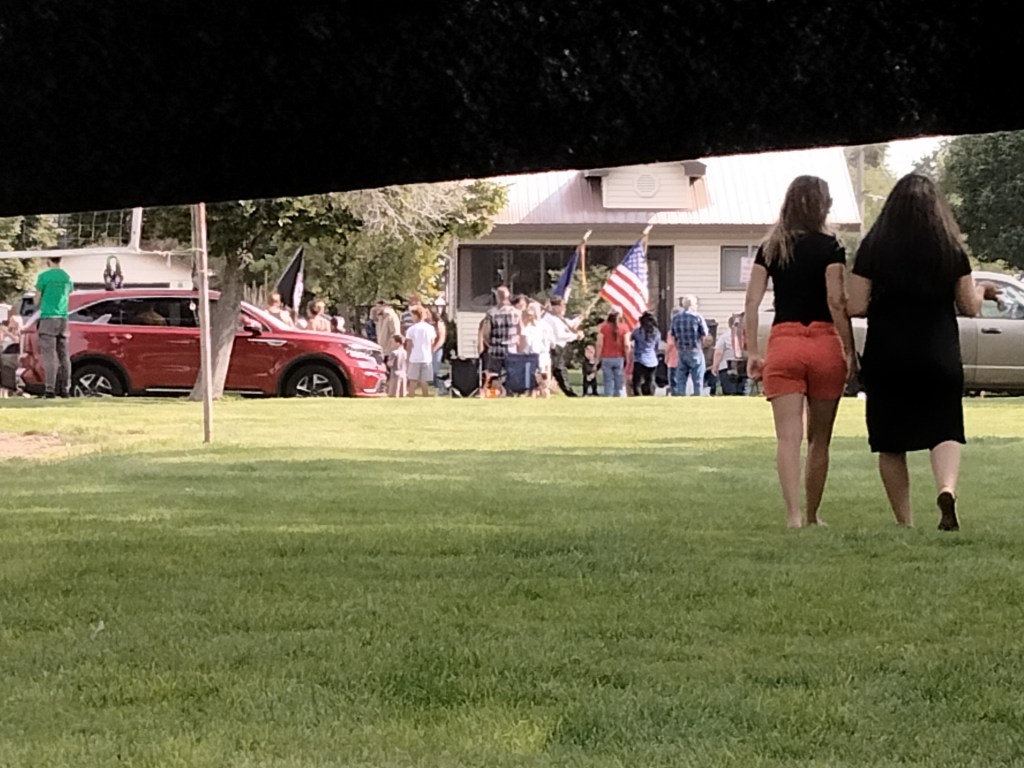
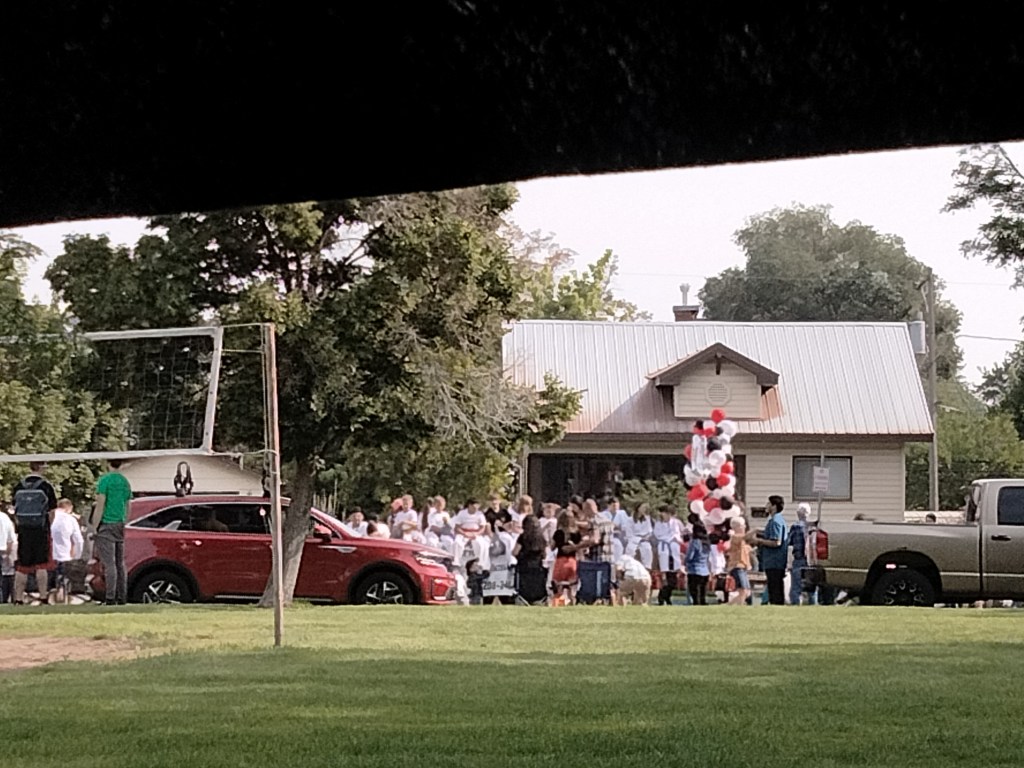
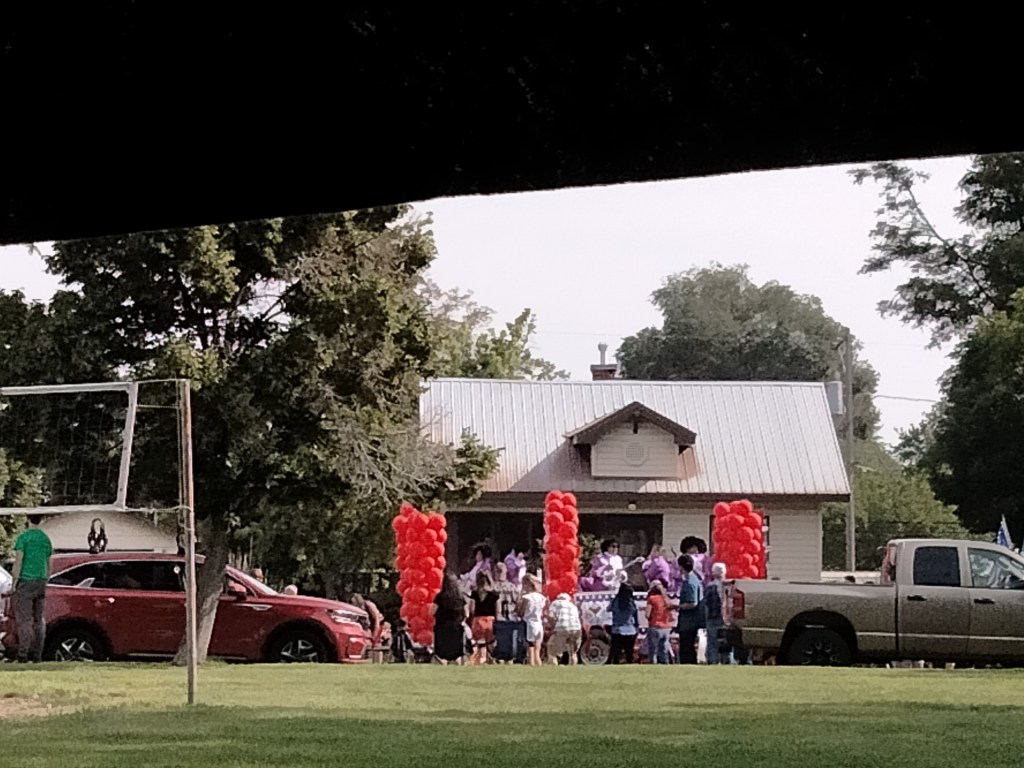
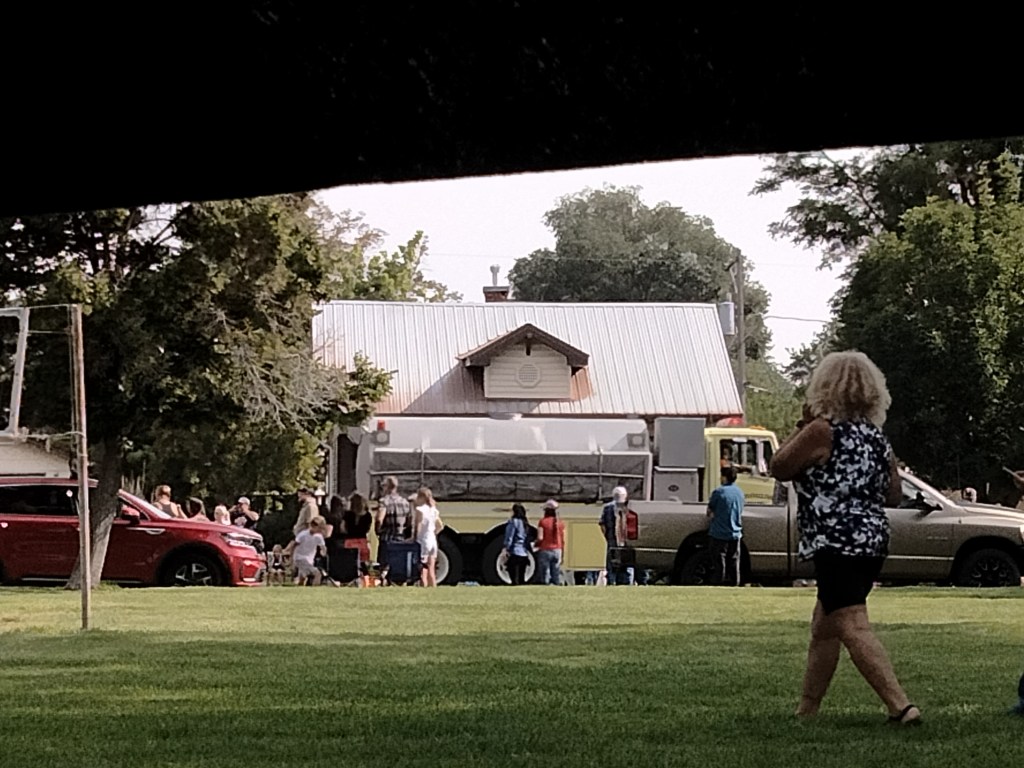
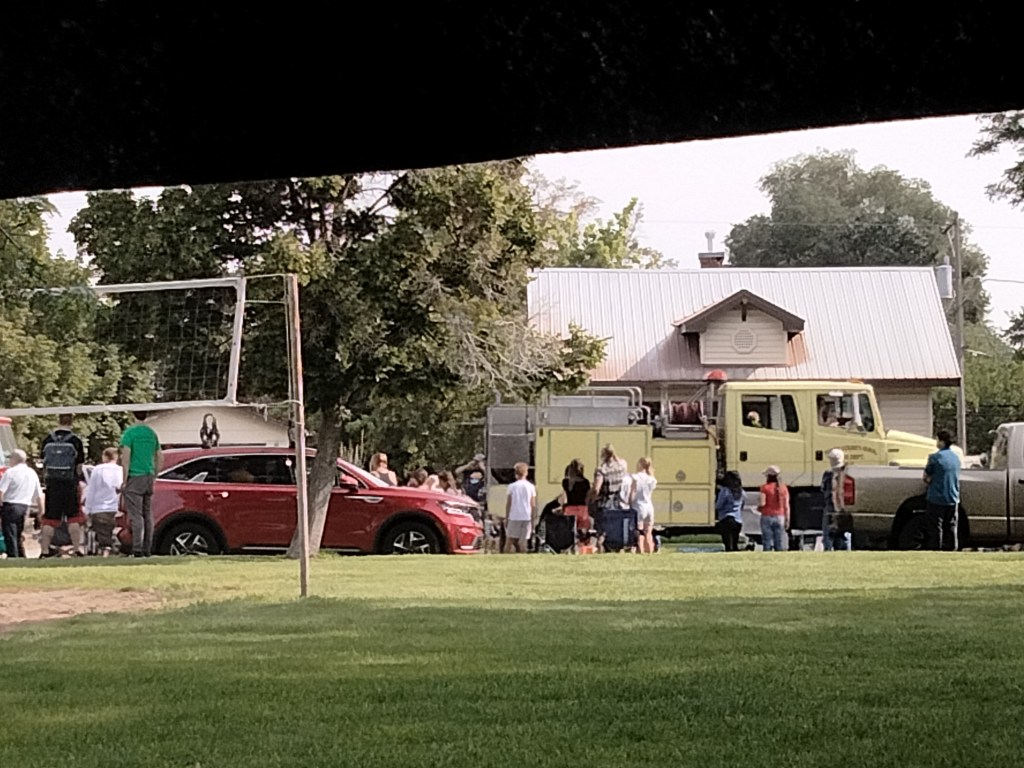
But the kickoff event for American Falls Days was the town parade. If you have never seen a summer parade in small-town America, may I just say you are missing out. I had to stay in our booth while the parade went by. (My son, meanwhile, went off to collect candy. All the floats threw candy.) Anyway, I was close enough to the street that I could zoom in and photograph the parade from a distance, as if in miniature. So here’s your guided tour.
First of all, we have veterans bearing an American flag and a state flag.
This float belongs to Lamb Weston, a potato-processing plant and a major local employer. Near the front of the float you can see a giant box of French Fries. At the back is a giant potato with a face and, apparently, black hair, similar to Mr. Potato Head.
Lots of little golf-cart sized vehicles that you can barely see.
a trolley (?)
Politicians in open cars with flags. What parade would be complete without them?
The local Tae Kwon Do dojong’s float, with all the students in their doboks riding it.
Other students parade behind, doing poomsae moves.
I’m not sure who these purple-clad, Muppet-like people are, but they’re interesting.
Here’s a little yellow school bus. I know someone who would love this!
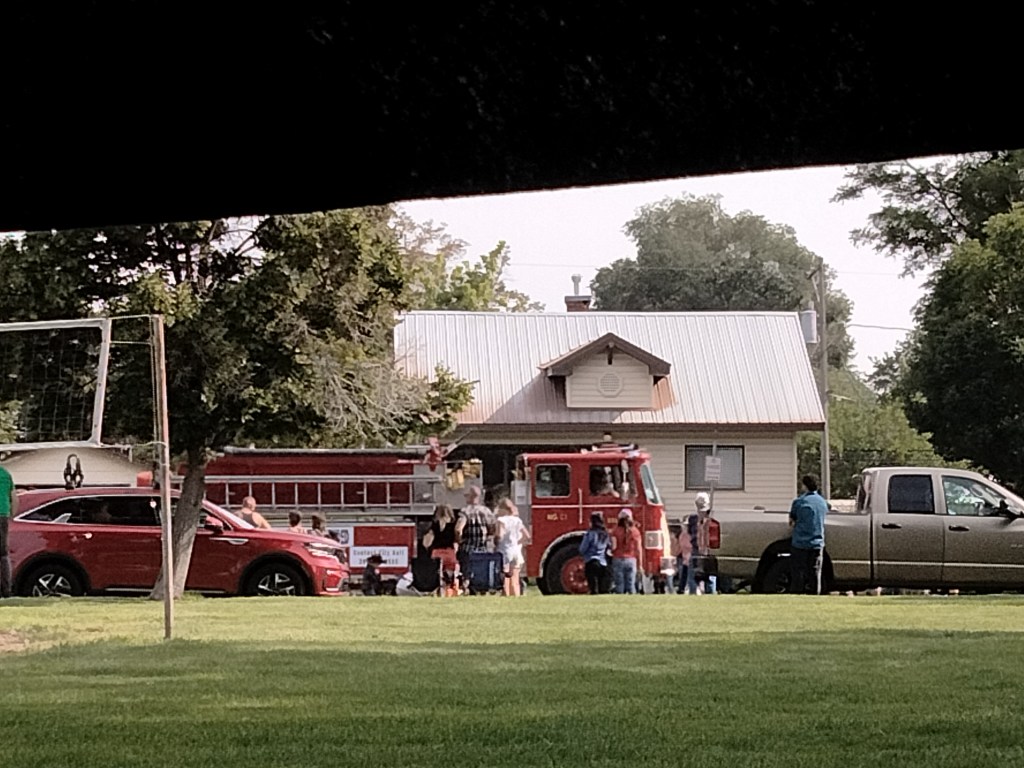
Now here come the utility vehicles. Fire truck, siren blaring …
Crop transport vehicle, a.k.a. “farm truck”
Teen volunteers riding on a ladder truck (siren also blaring) …
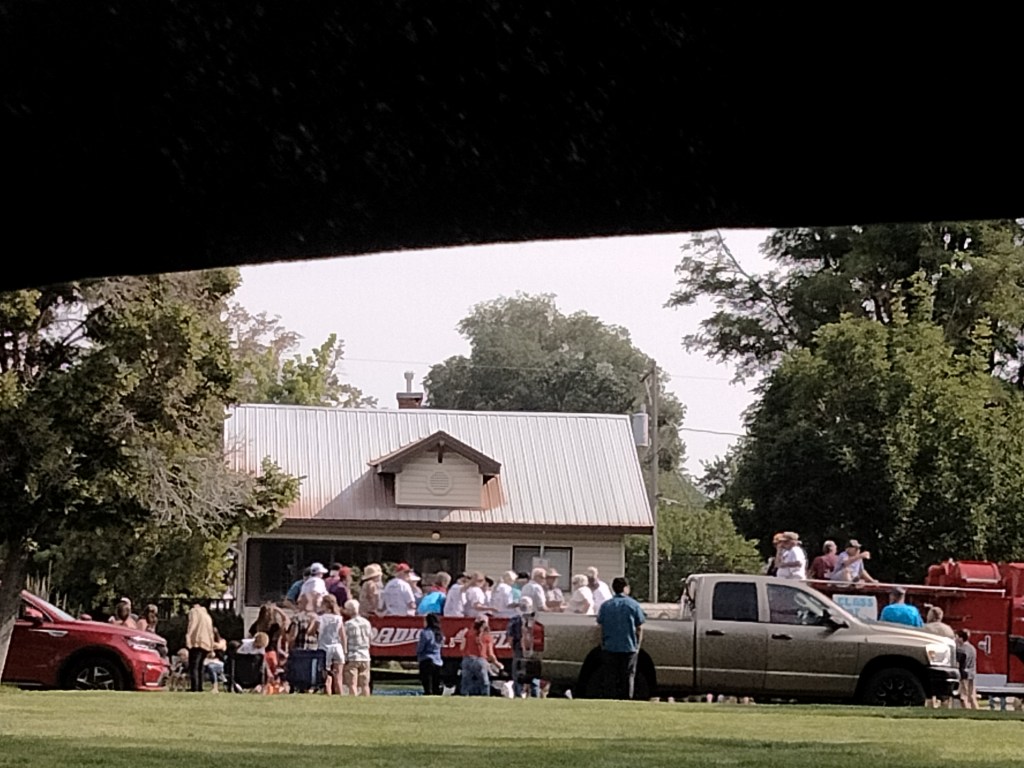
Senior citizens (your parade has to have them!) in a giant Radio Flyer
High schoolers (also mandatory)
A boat? What are people in Idaho doing with boats??? For your information, we have a reservoir, and many people boat recreationally on it.
Beauty queens. Every parade needs at least one beauty queen.
Classic car. The owner probably just wanted to show it off.
I’m not 100% sure, but I think this yellow thing may represent a bee hive. That’s a popular Mormon symbol for a large, happy (polygamous) home.
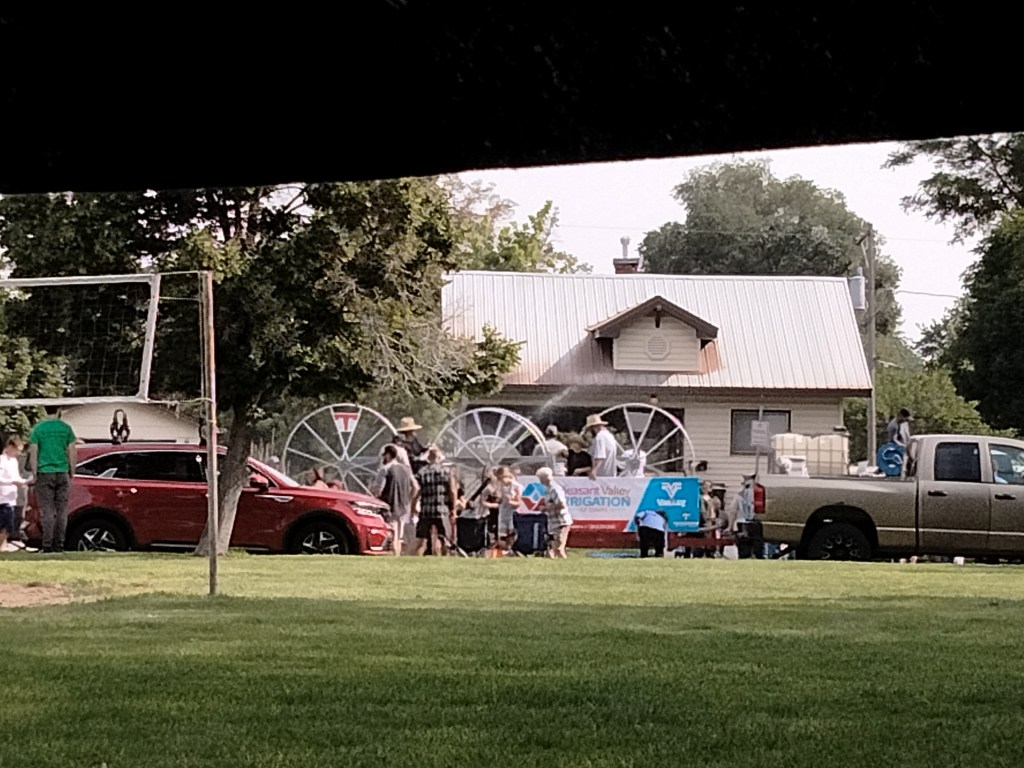
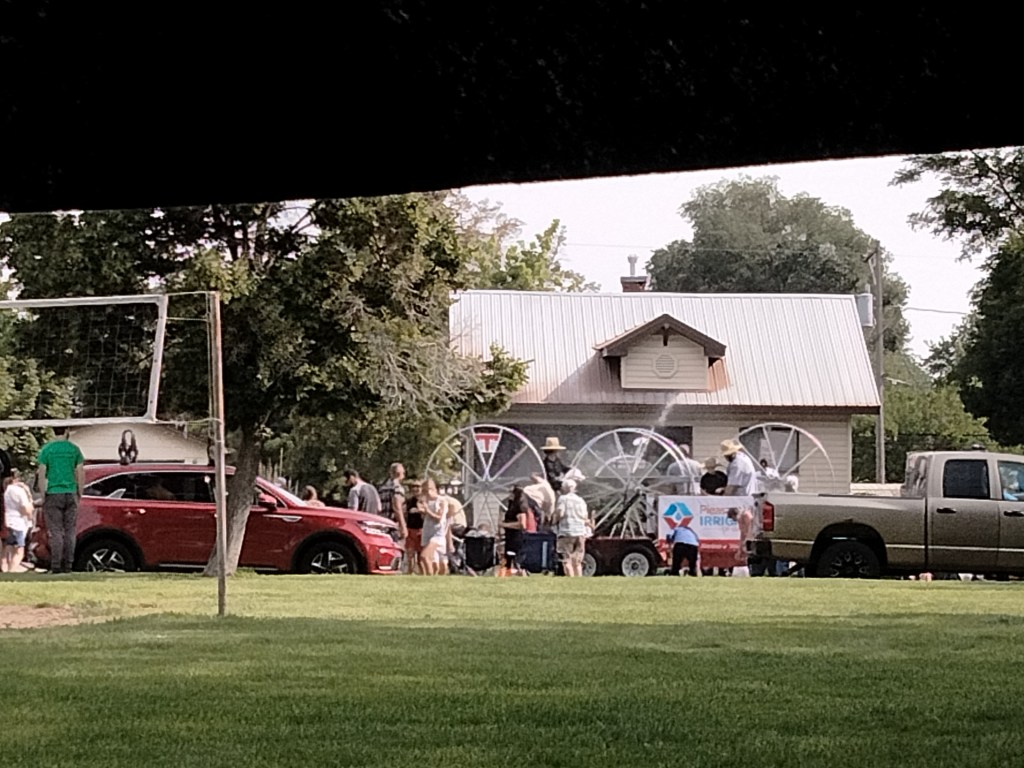
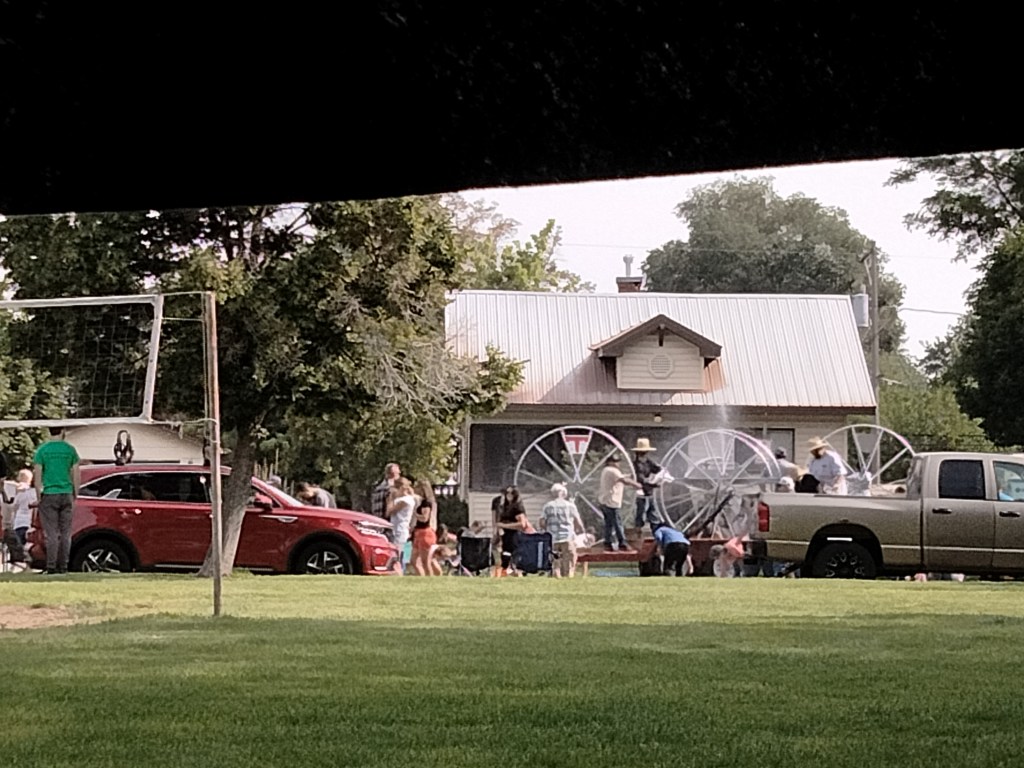
This is the coolest thing ever. Those large wheels are irrigation lines of the kind that you can spot in any field around American Falls. If you look closely, you can see that they are spraying actual water.
ACTUAL WATER!!!
Trailer, for some reason
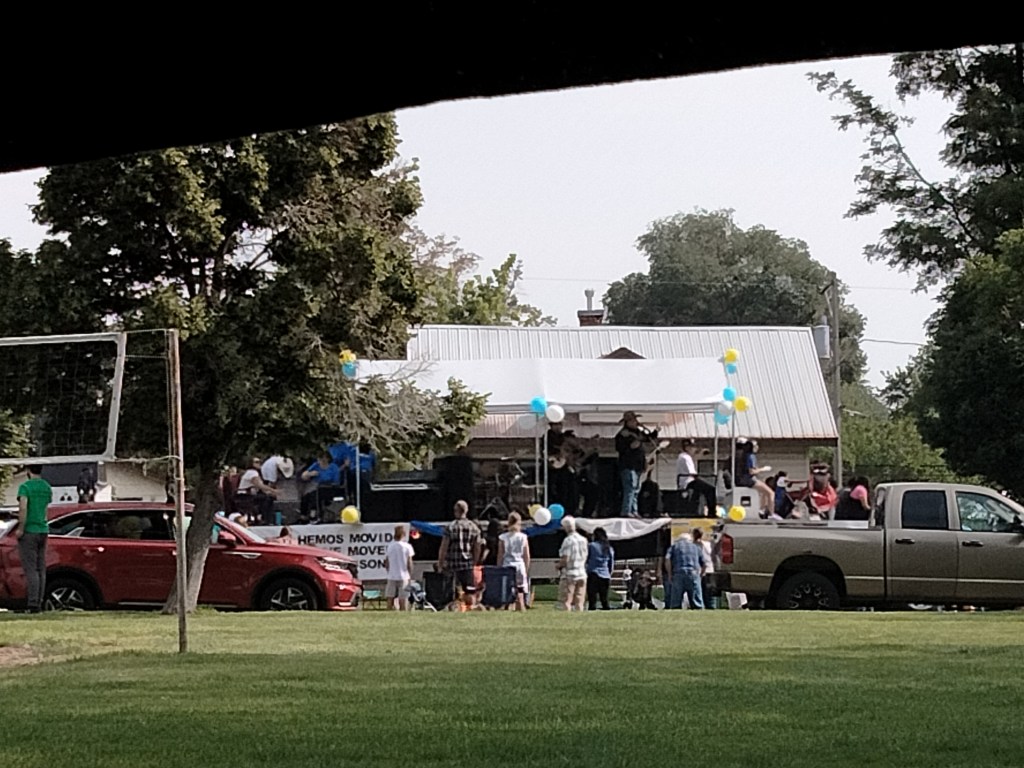
This float was by the local Spanish-speaking evangelical church. They had a Tejano-style praise band, with speakers, loud enough to be heard past the sirens.
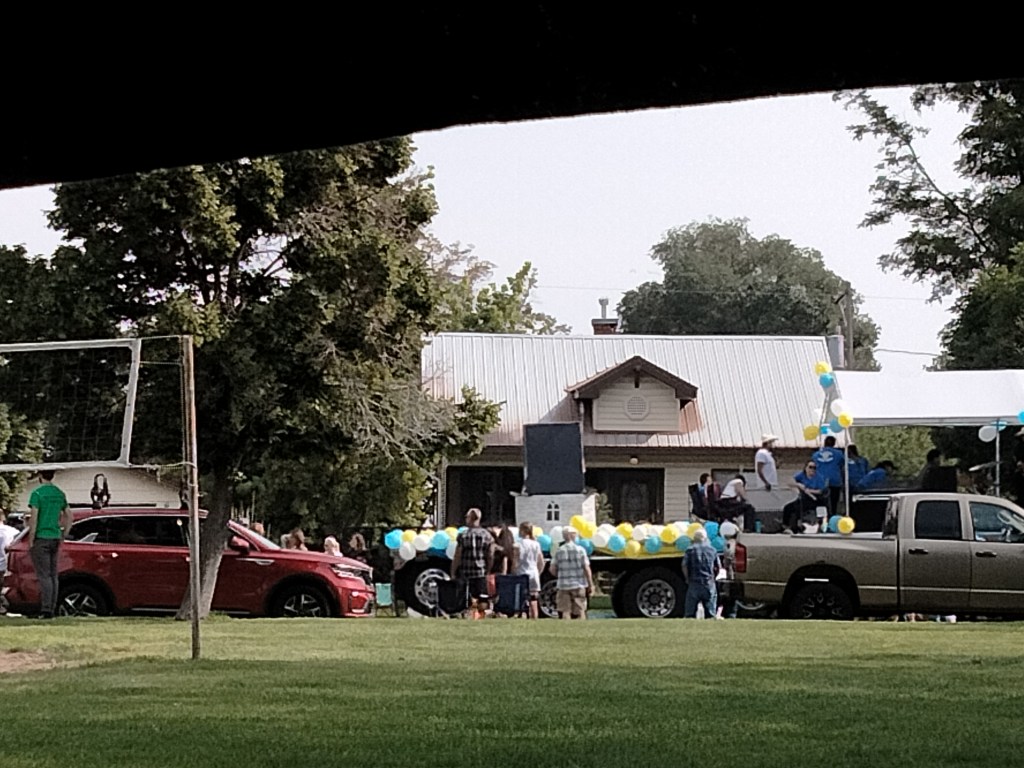
After the parade, they brought their float back, parked it in a nearby parking lot, and did some more songs and testimonies.
Being pulled behind the band is a small model of their church building.
This is the Green Machine. It had an entourage of people dressed in green marching behind it.
Now, for my absolute favorite float of all the floats. This is the Idaho Power cherrypicker truck. It’s the one they send out to our rural road to fix our power lines and restore electricity whenever a storm has blown the lines down, which has happened more than once. The brave Idaho Power employees will go out in winds and storm to restore power.
And look! It’s displaying a huge American flag, which strikes me as entirely appropriate. A local power company is indeed doing a lot to keep the country strong. If the power went off for any length of time, the region or country would quickly disintegrate into apocalyptic conditions. A nation needs its energy so its people can focus on anything except survival.
I’m not sure what the towerlike object on this float is, but I think it might be a model of the old town’s grain tower.
The town of American Falls used to be built closer to the banks of the Snake River. When the dam was built, the entire town was moved uphill, out of the way of the waters of the coming reservoir. (A lot of Shoshone-Bannock lands were also flooded.) To this day, when the water is low, you can still see the remains of the old town’s foundations. The most striking of these is a cement grain tower, which still sticks out of the water year-round. You can gauge the water level by how high up the tower it comes, or whether the tower is, in fact, on the shore.
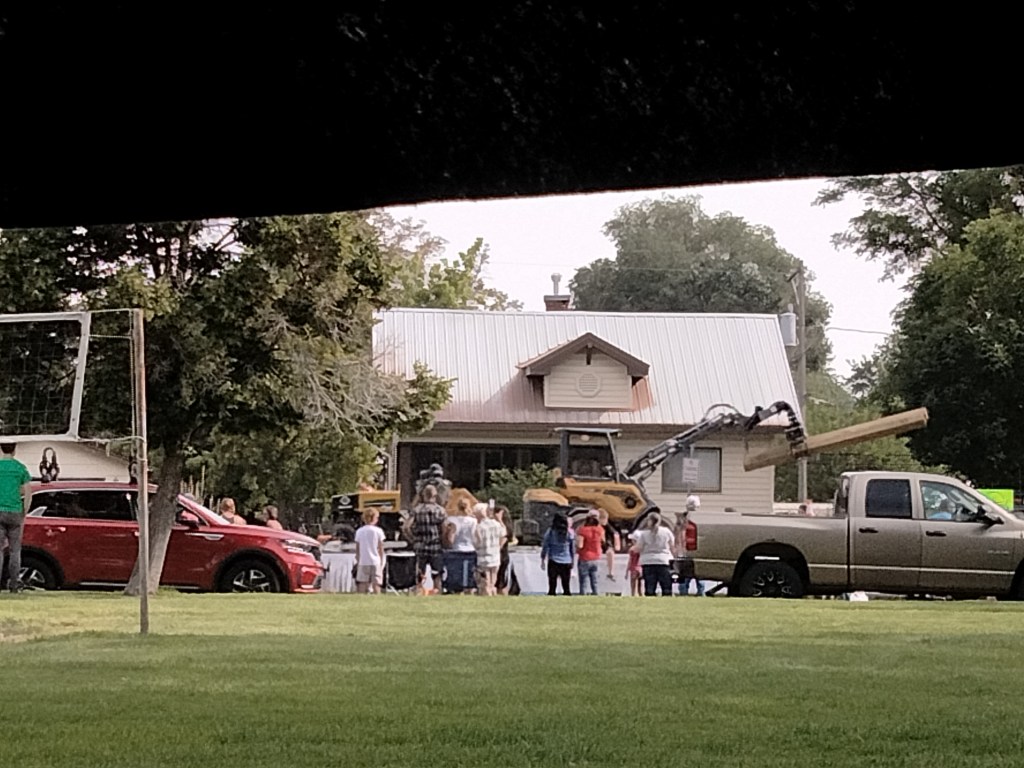
A piece of construction equipment holding a beam. We small-town folks love our construction equipment.
And of course, a John Deere tractor. One of many.
And last but not least, beautiful cowgirls riding horses and carrying an American flag. These girls may be Indians. One year, the parade featured the Sho-Ban rodeo queen riding a horse, with a leather “crown” that fitted over her cowboy hat.
I’ve taken a lighthearted tone with this post, but honestly, I loved this parade and I love this town. Every community has parades to celebrate the things they love or that they are being made to love, whether it’s Dear Leader or a god or goddess. In this parade, we had: old people, young people, first responders, and people and vehicles who build, maintain, power, and farm the land. Horses. A float dedicated to praising the God of Heaven and proclaiming His goodness. This is just about the best, most wholesome parade you could ever hope to see.
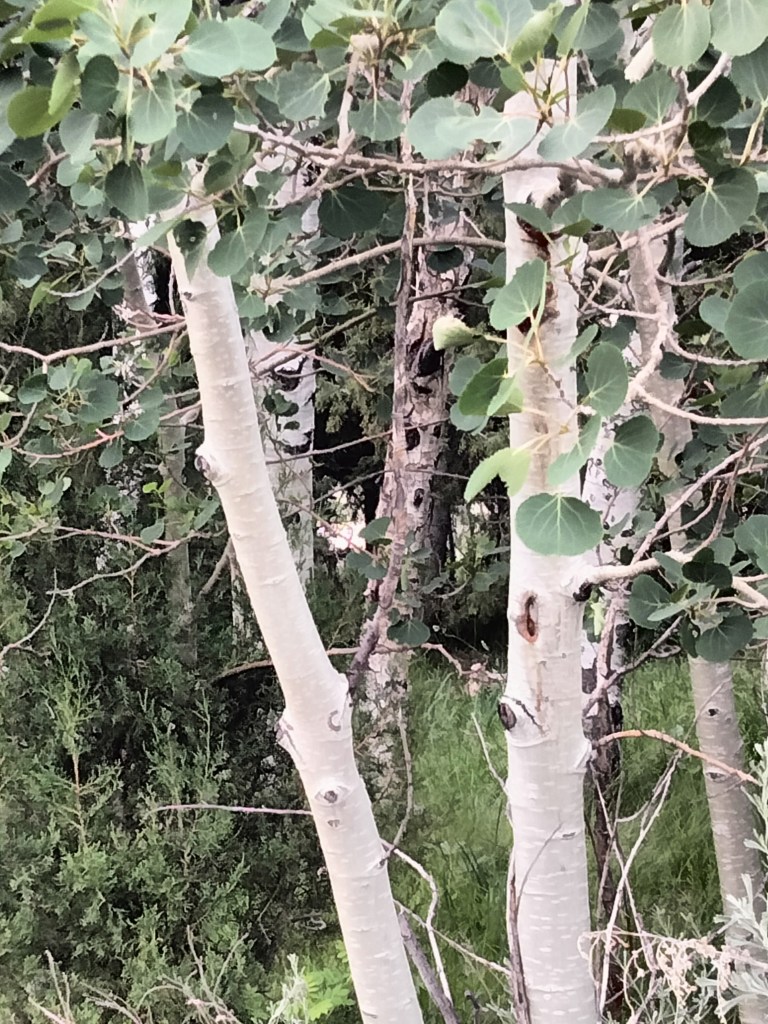
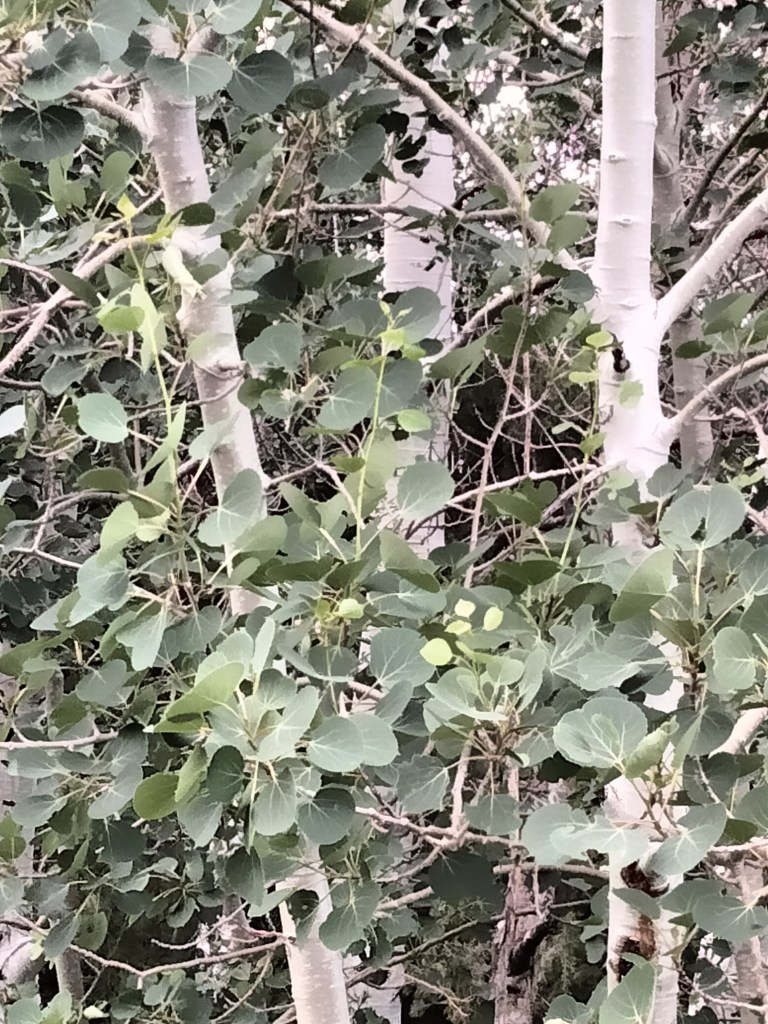
It may seem strange to call the aspen tree a flower, but it does appear in my Falcon Guide Central Rocky Mountain Wildflowers.
“Aspen’s leaves (as distinct from birches’) are rounded or heart-shaped in outline, with vertically flattened pettioles (leaf stalks) that are responsible for their distinctive trembling, rotating action in the slightest breeze.
“Aspen is a colonial tree that spreads by shallow underground stems. Patches of aspen trees are often just vertical stems (clones) of a single genetic individual. The borders of the clone patches are often obvious in the spring and fall, when the genetic differences in leafing out and fall coloration are expressed between clone patches. The underground stems enable aspen to survive forest fires with ease. Aspen twigs are a favorite food for browsing deer, elk, and moose, especially in winter.” (page 246)
Here’s a path leading past Silver Sage into an aspen grove (clone patch? Or between clone patches? I’m sticking with grove – sounds less disturbing).
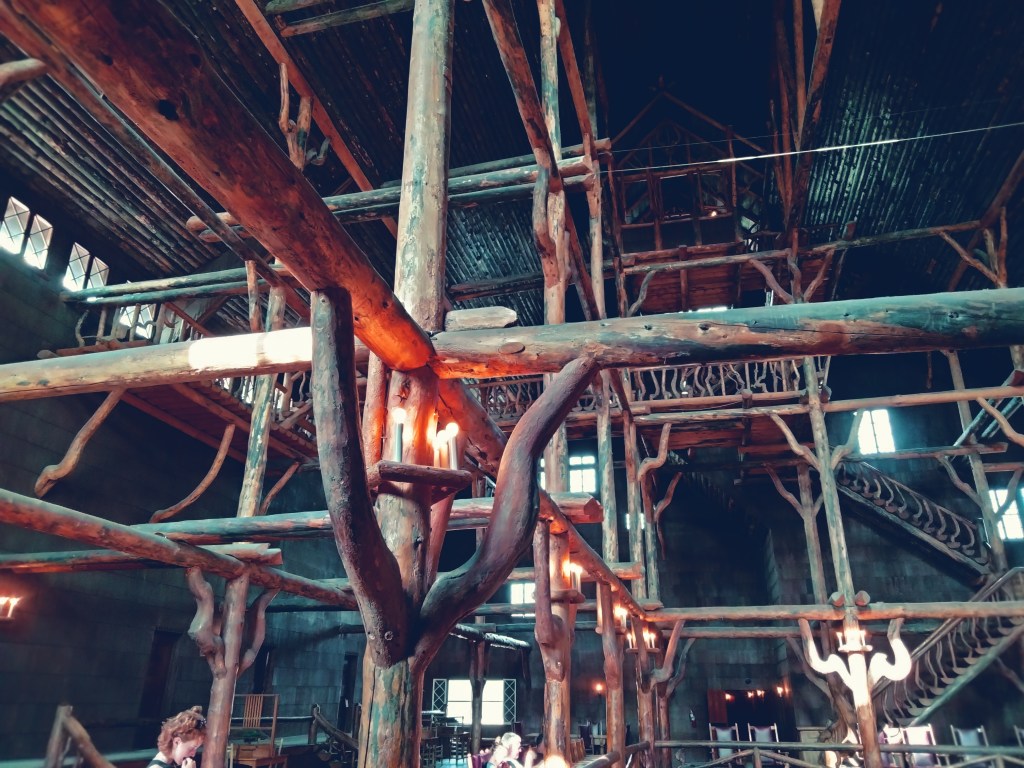
Still used as a hotel, it has four levels that soar over the lobby with its massive stone fireplace. Supports on the balconies are made of natural tree limbs.
It’s the kind of place that could be creepy, but on our midsummer visit there, I did not find it so. There is a lot of natural light, and the space was obviously designed for a lot of people and is still being used that way. I think that’s why.
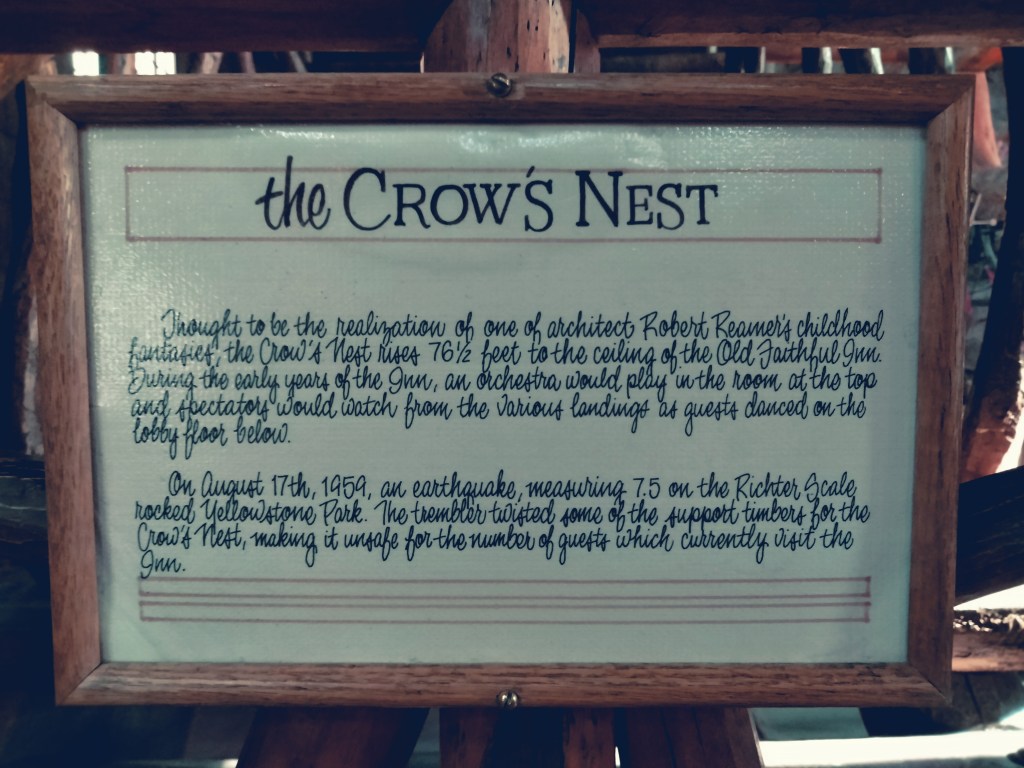
The window with a walkway in front of it, visible at the top center of this picture, looks directly out at Old Faithful. This part of the catwalk is now off-limits to all but private tours.
And here’s why.
The Crow’s Nest is the birdhouse-like structure tucked in the darkness at the very top of this photo.
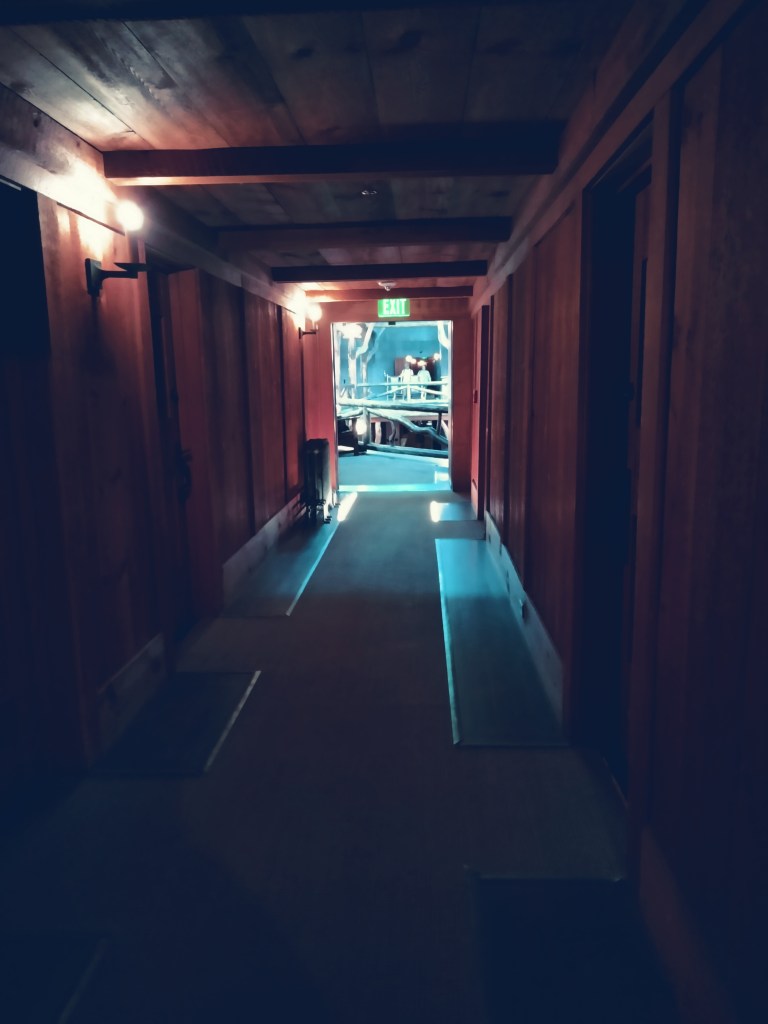
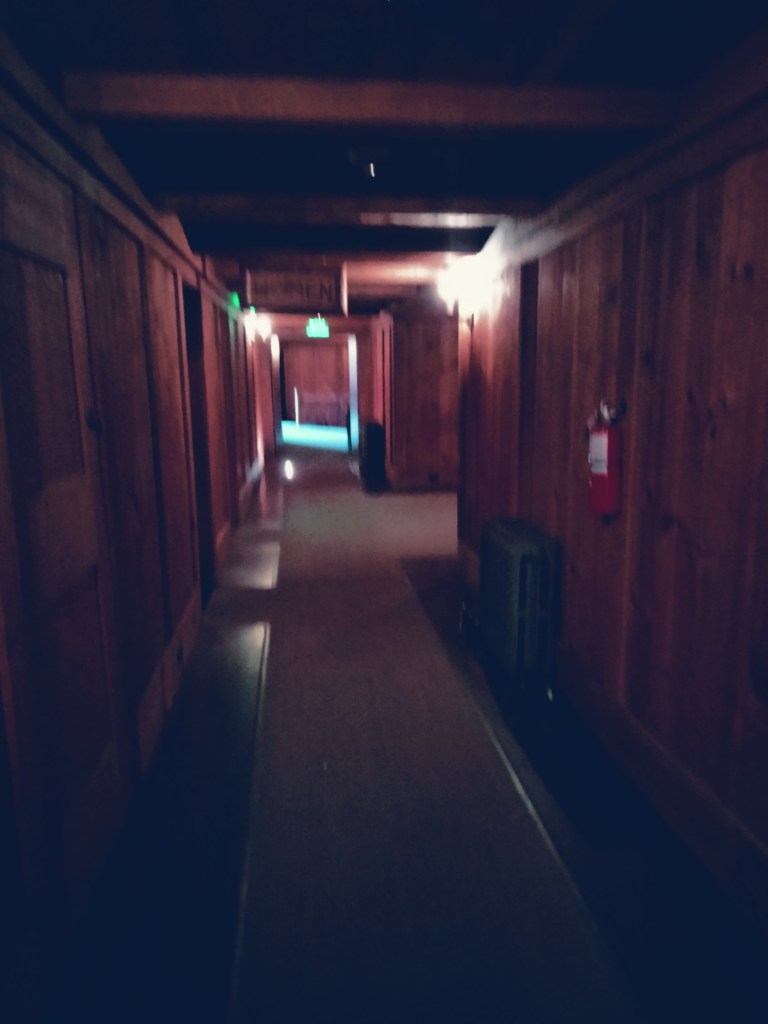
Some parts of the hotel are more modern, but here is one of the old parts.




















 Out of Babel Books