
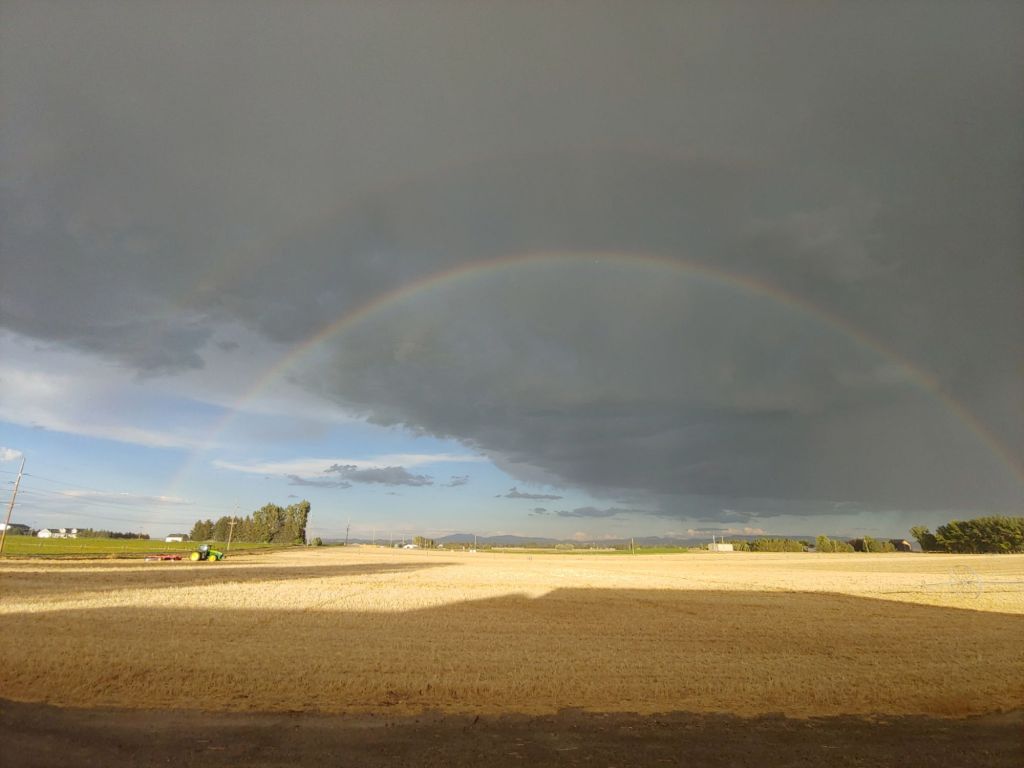
Tag: the natures
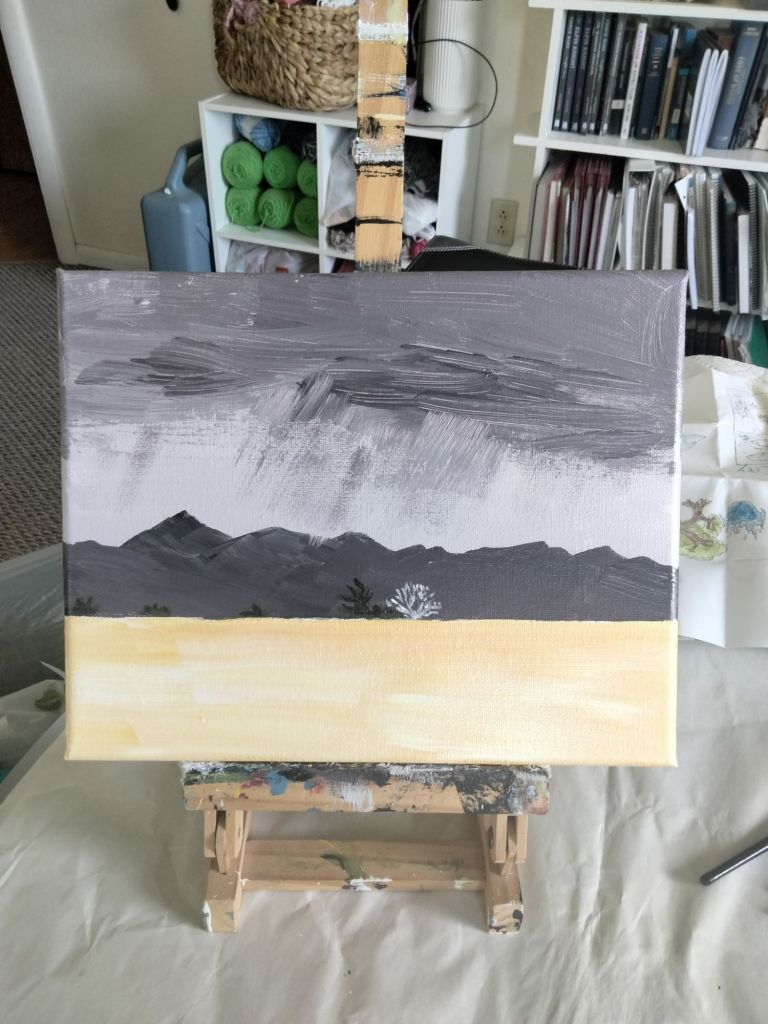
A Sagebrush Environment
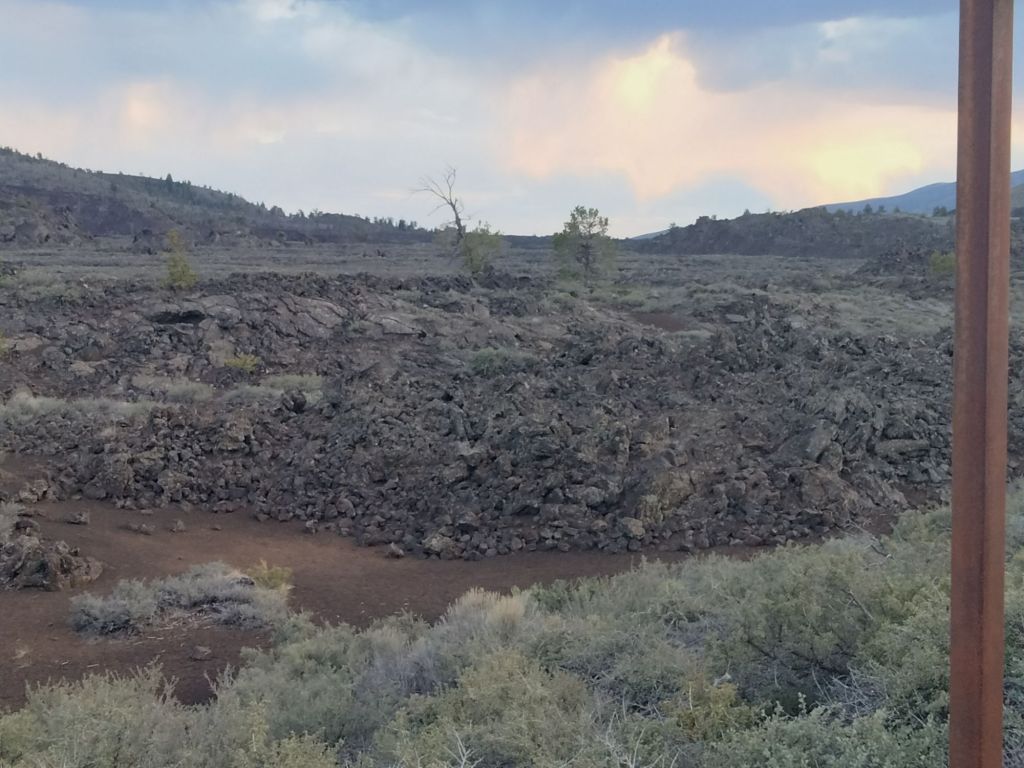
I have previously posted both paintings and photographs of sagebrush, which can be found just a short walk from my home.
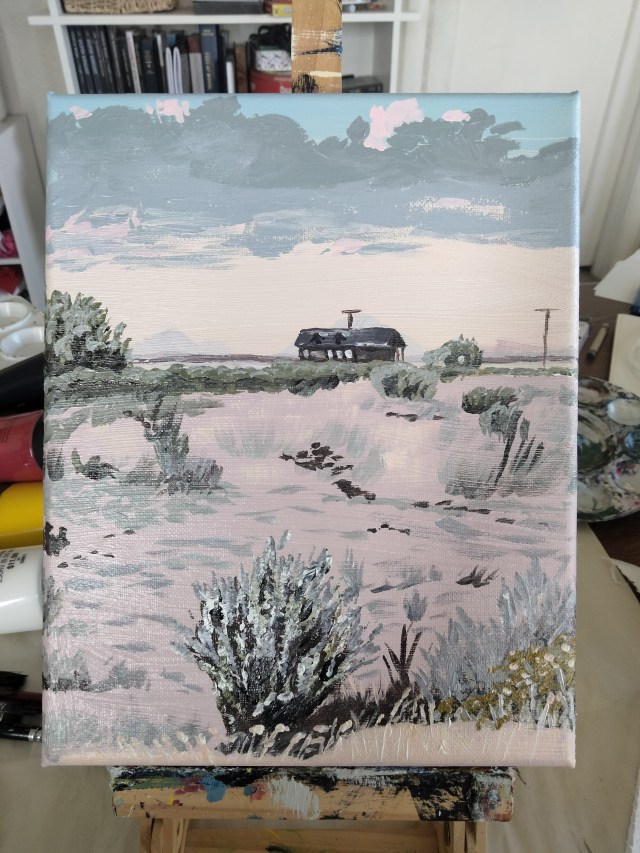
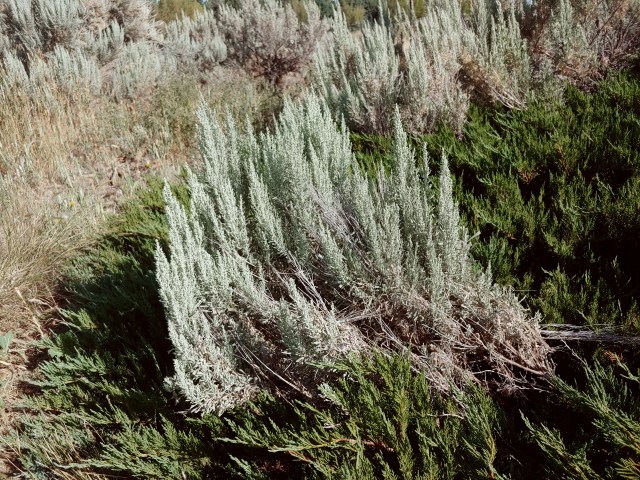
And here’s a random sagebrush, growing out of a juniper in my neighbor’s yard, not too far from the site where that picture was painted.
Out here, sagebrush tends to grow on any patch of land that’s not developed, either with crops or sod.
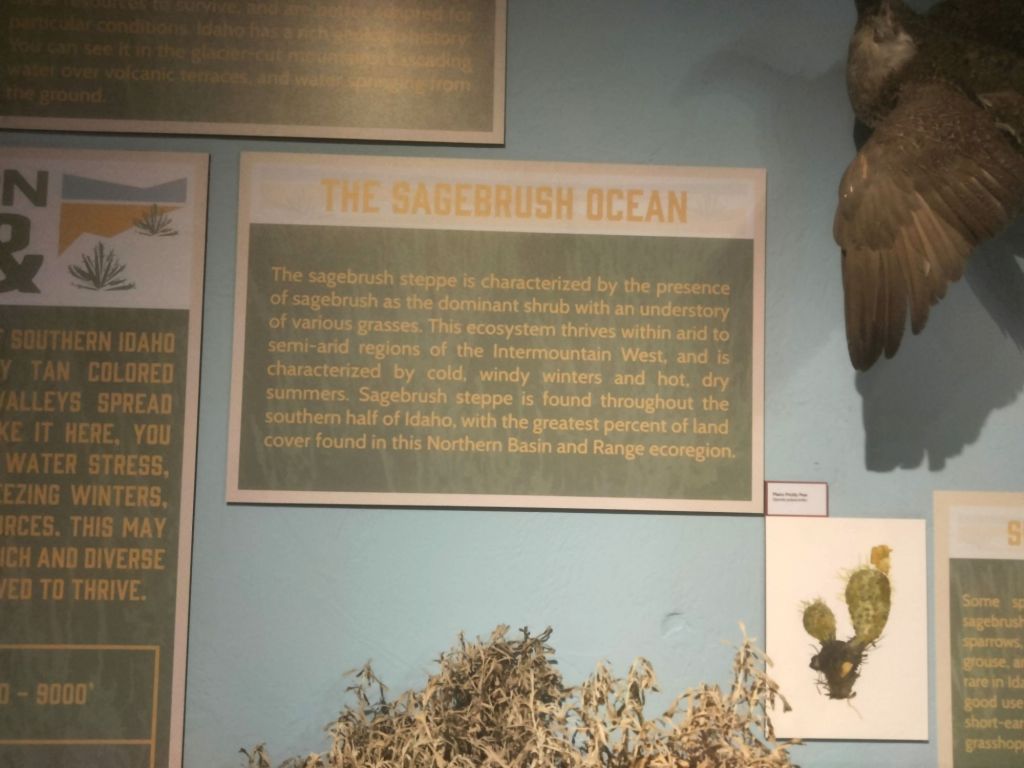
Now for your viewing pleasure, here is proof from the Idaho Museum of Natural History that a “sagebrush steppe” is a unique ecosystem.
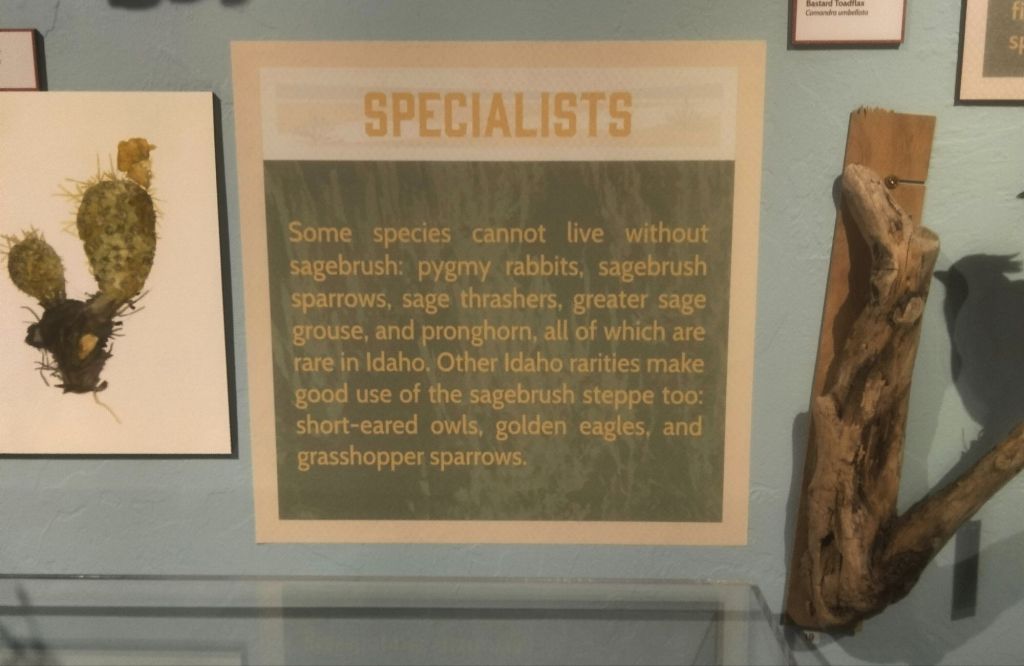
This is not to say that sagebrush is a monoculture. It tends to grow interspersed with Rabbit Bush, which looks like this:

Anyway, here are some pictures from the museum of a woman’s shirt and skirt woven mostly from sagebrush.

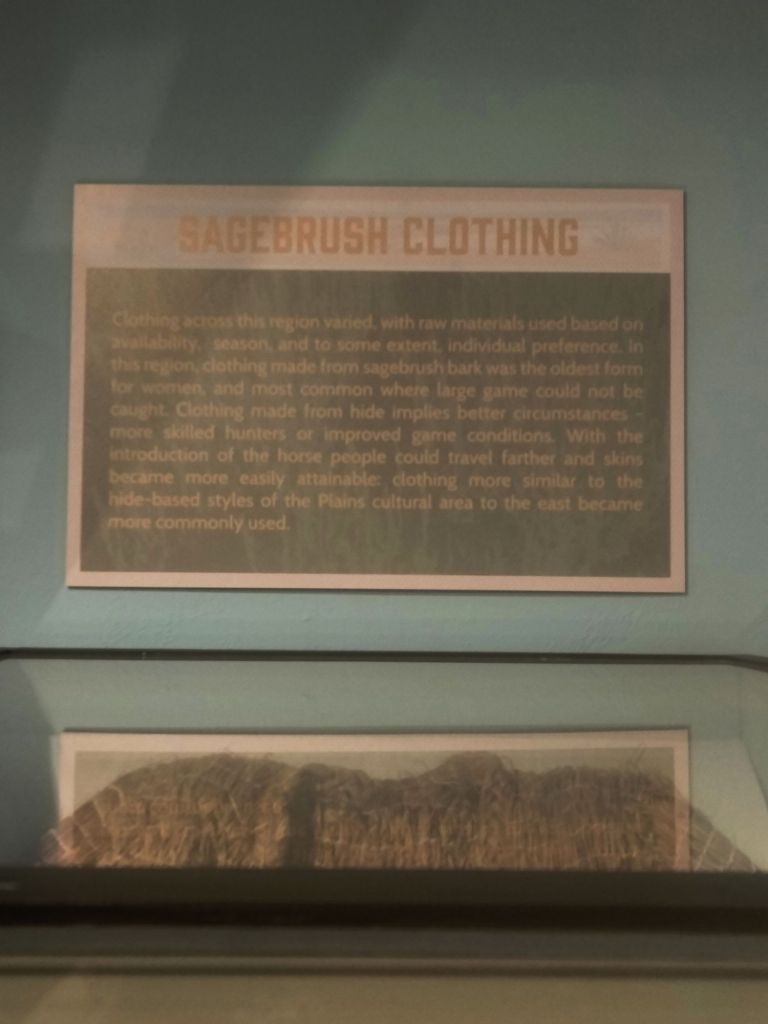
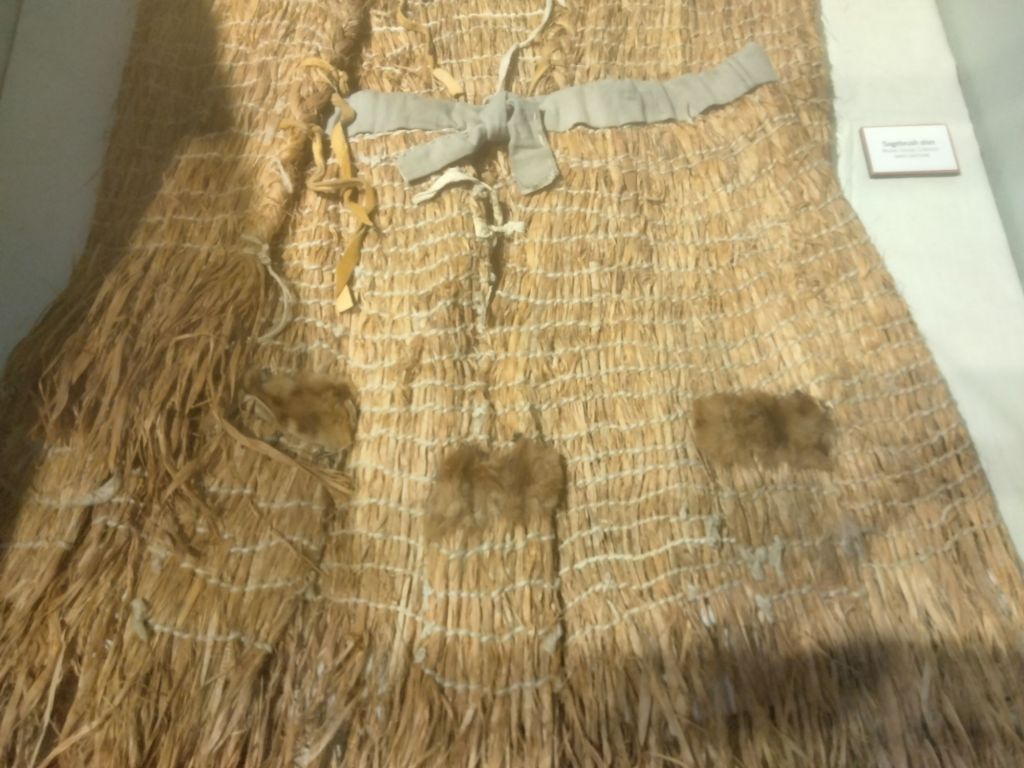
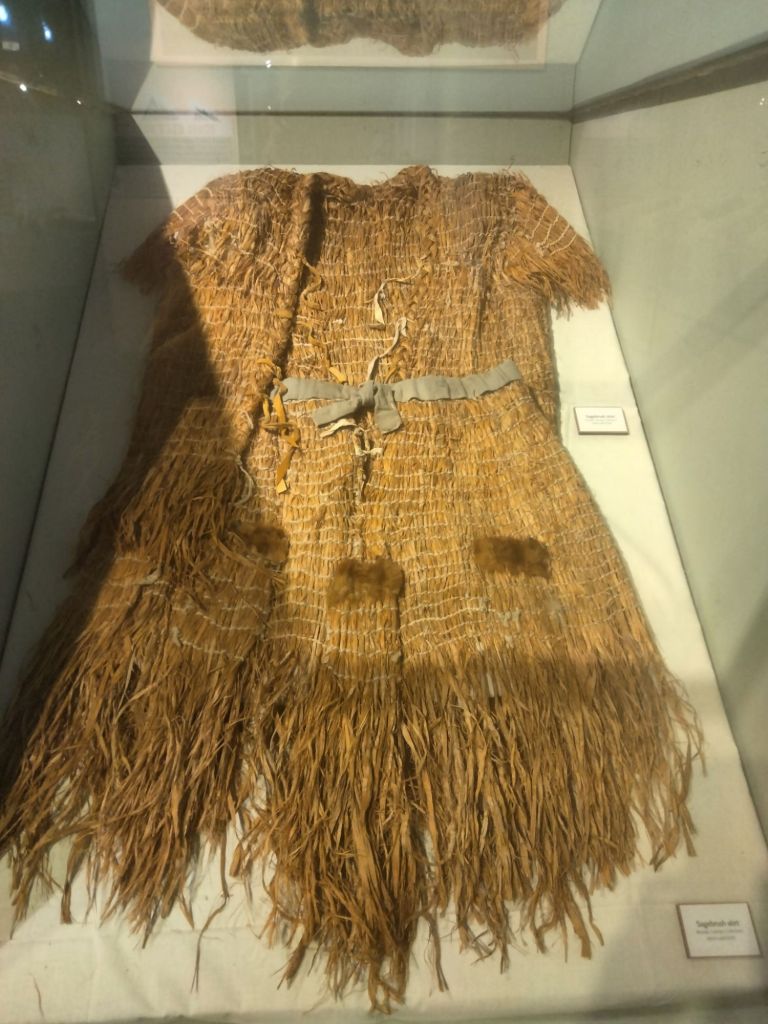
Very uncomfortable looking, and I don’t blame them for switching to hide clothing as soon as they could!
Moss-Look Crochet Necklace
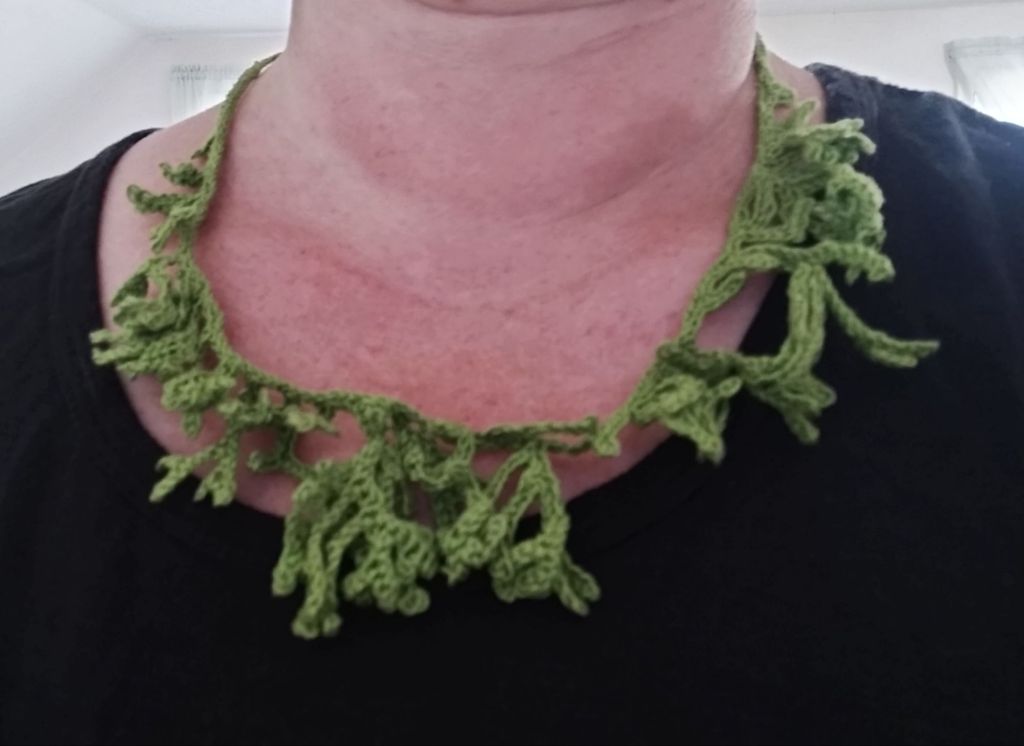
I got the idea for this from a photograph & pattern on Pinterest, then freedhanded this one on my own. It closes with a button and loop. The great thing about such a necklace is, the more tousled it gets, the better it looks! A great naturalistic look for an aspiring crone.
Bible Verse of the Month
My strength was sapped as in the heat of summer.
–Psalm 32:4
Behold, Turkeys
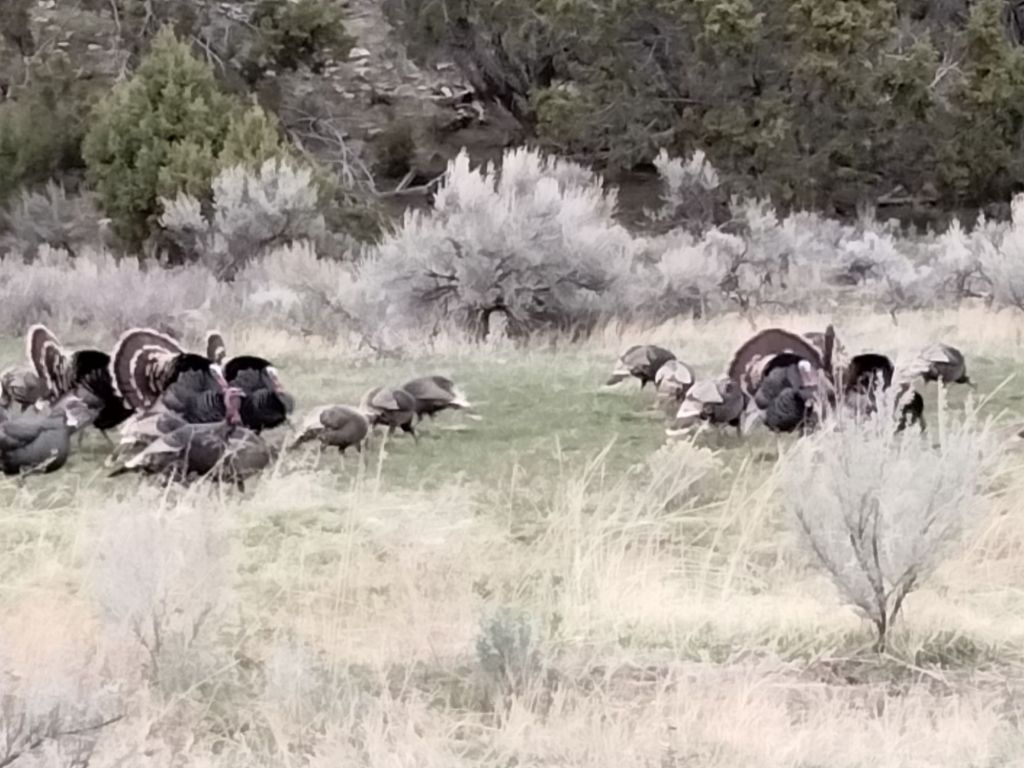
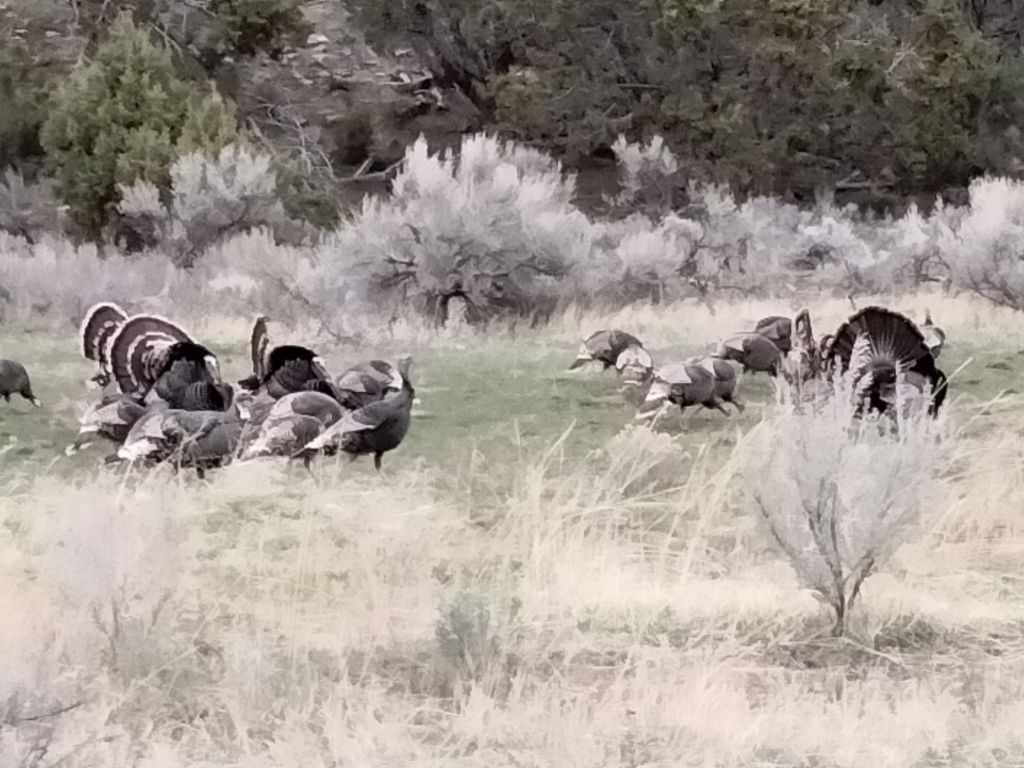
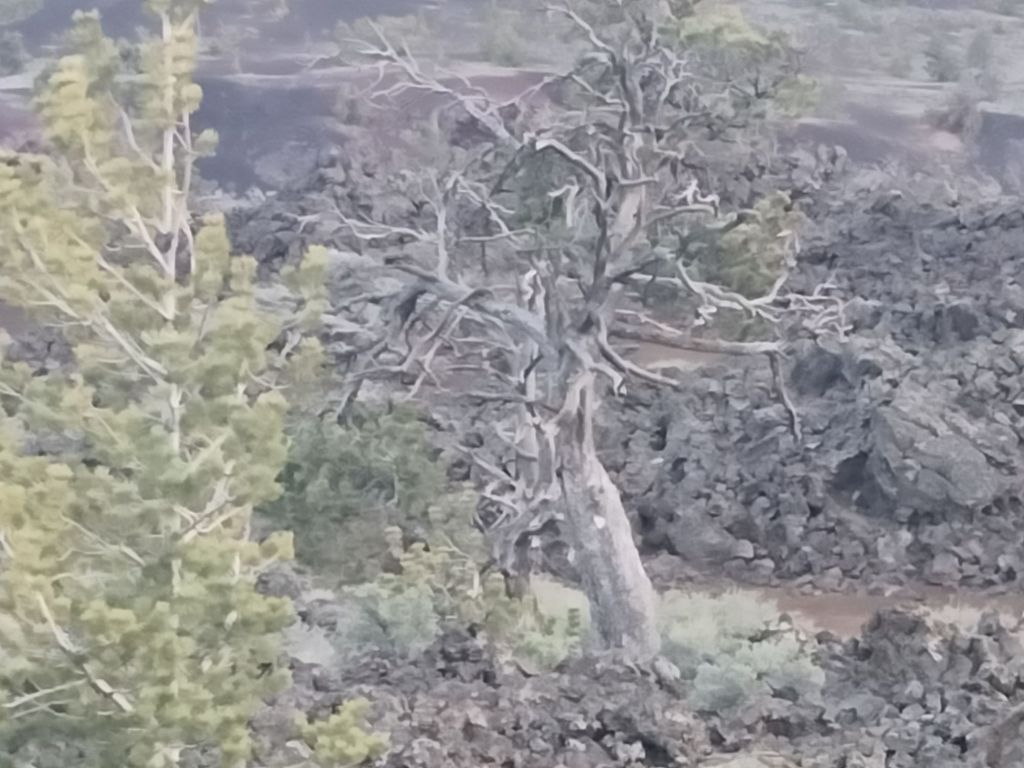
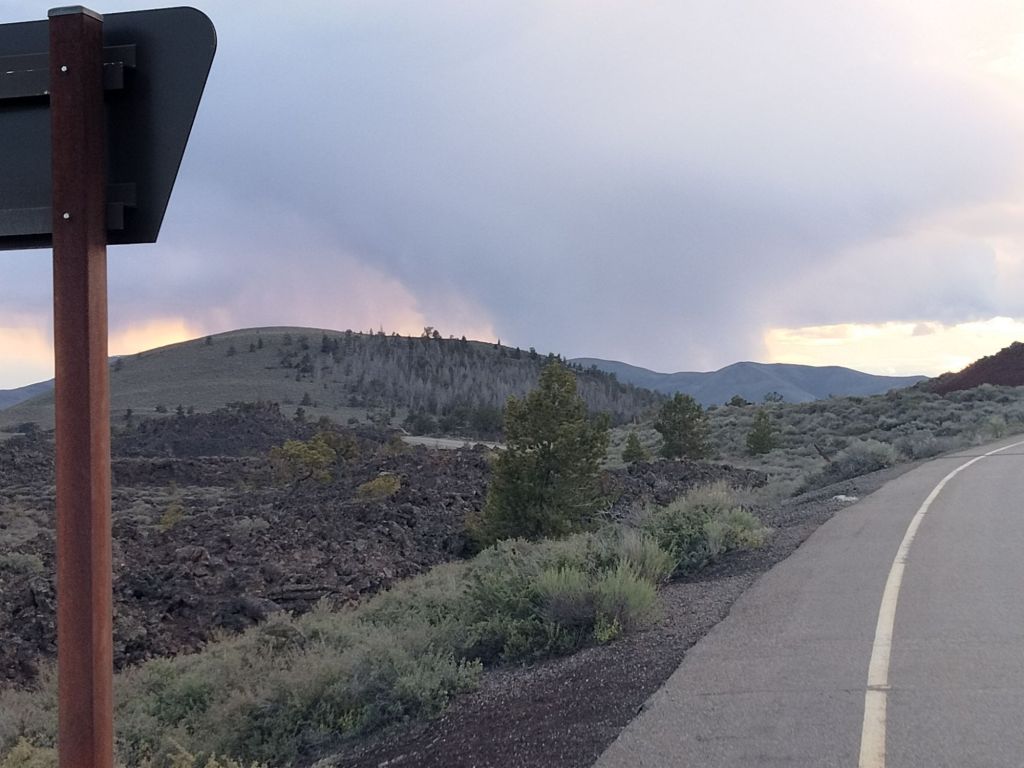
These were spotted last week, in Spring. Mating season? The toms all had their tails fanned, as you see, but they were behaving themselves … just walking around and grazing.
In the background, sage and juniper. I live in a semiarid climate.
Why Should Your Heart Not Dance?
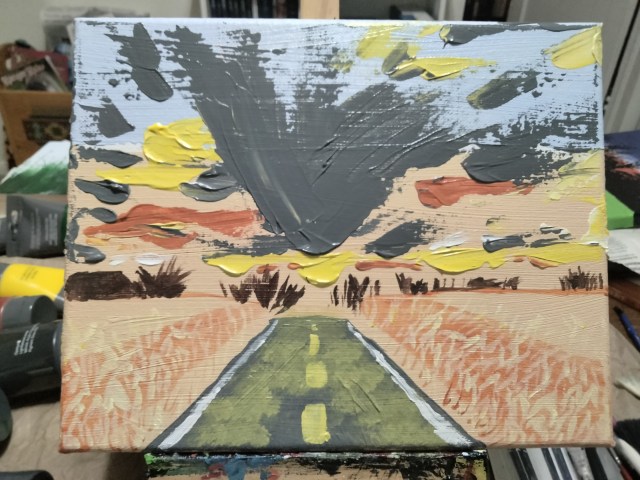
In my Greco-Fiction project, I have briefly set aside The King Must Die in order to re-read Till We Have Faces. I have to read TWHF for a book club, but I can’t complain, really, because I was one who convinced the book club to read it for our February discussion.
If you have never heard of it, Till We Have Faces is one of C.S. Lewis’s lesser-known novels. The point of view character is a young woman, a princess in the ancient, fictional kingdom of Glome, who is cursed with an ugly face, an abusive father, and a horrible fertility goddess for a religion. Her name is Orual. The first bright spot in Orual’s life is a Greek slave her father captured in war, who becomes her tutor. The second, and much brighter, spot is her younger half-sister Psyche.
The back of the book describes it as a “timeless tale of two princesses–one beautiful and one unattractive.” Naturally, when I first picked it up, then in my late teens, I thought, “Well, I know which one of these I will identify with!” Like probably every young woman, I expected to have a grand time wallowing in self-pity on behalf of the ugly princess. However, this is not that kind of story. Orual is not envious of Psyche’s beauty. The jealousy she feels is of a very different kind.
I don’t want to give away the events of the story, because you should definitely read it. However, I do want to post a long passage from the book. This passage is very important thematically, and in terms of Orual’s character development, even though it is not an action scene.
When we topped [the ridge], and stood for a while to let the horse breathe, everything was changed. And my struggle began.
We had come into the sunlight now, too bright to look into, and warm (I threw back my cloak). Heavy dew made the grass jewel-bright. The Mountain, far greater yet also far further off than I expected, seen with the sun hanging a hand-breadth above its topmost crags, did not look like a solid thing. Between us and it was a vast tumble of valley and hill, woods and cliffs, and more little lakes than I could count. To the left and right, and behind us, the whole coloured world with all its hills was heaped up and up to the sky, with, far away, a gleam of what we call the sea. There was a lark singing; but for that, huge and ancient stillness.
And my struggle was this. You may well believe that I had set out sad enough; I came on a sad errand. Now, flung at me like frolic or insolence, there came as if it were a voice–no words–but if you made it into words it would be, “Why should your heart not dance?” It’s the measure of my folly that my heart almost answered, “Why not?” I had to tell myself over and over like a lesson the infinite reasons it had not to dance. My heart to dance? Mine whose love was taken from me, I, the ugly princess who must never look for other love, the drudge of the King, perhaps to be murdered or turned out as a beggar when my father died? And yet, it was a lesson I could hardly keep in my mind. The sight of the huge world put mad ideas into me, as if I could wander away, wander forever, see strange and beautiful things, one after the other to the world’s end. The freshness and wetness all about me made me feel that I had misjudged the world; it seemed kind, and laughing, as if its heart also danced. Even my ugliness I could not quite believe in. Who can feel ugly when the heart meets delight? It is as if, somewhere inside, within the hideous face and bony limbs, one is soft, fresh, lissom and desirable.
Was I not right to struggle against this fool-happy mood? What woman can have patience with the man who can be yet again deceived by his doxy’s fawning after he has thrice proved her false? I should be just like such a man if a mere burst of fair weather, and fresh grass after a long drought, and health after sickness, could make me friends again with this god-haunted, plague-breeding, decaying, tyrannous world.
pp. 95 – 97
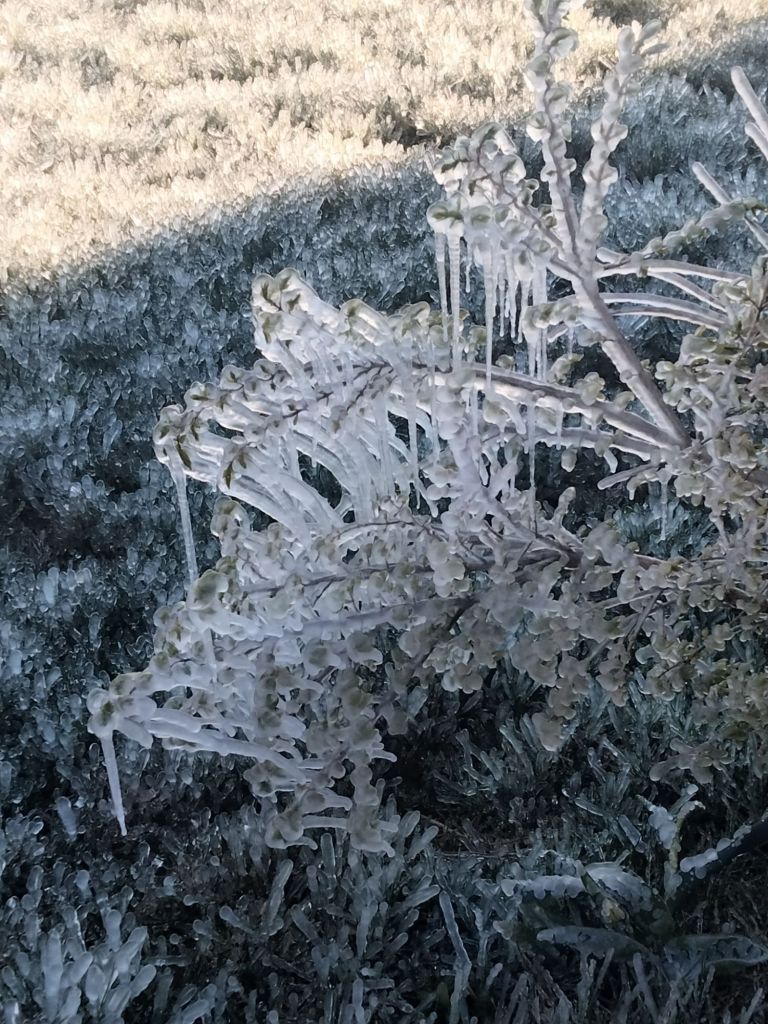
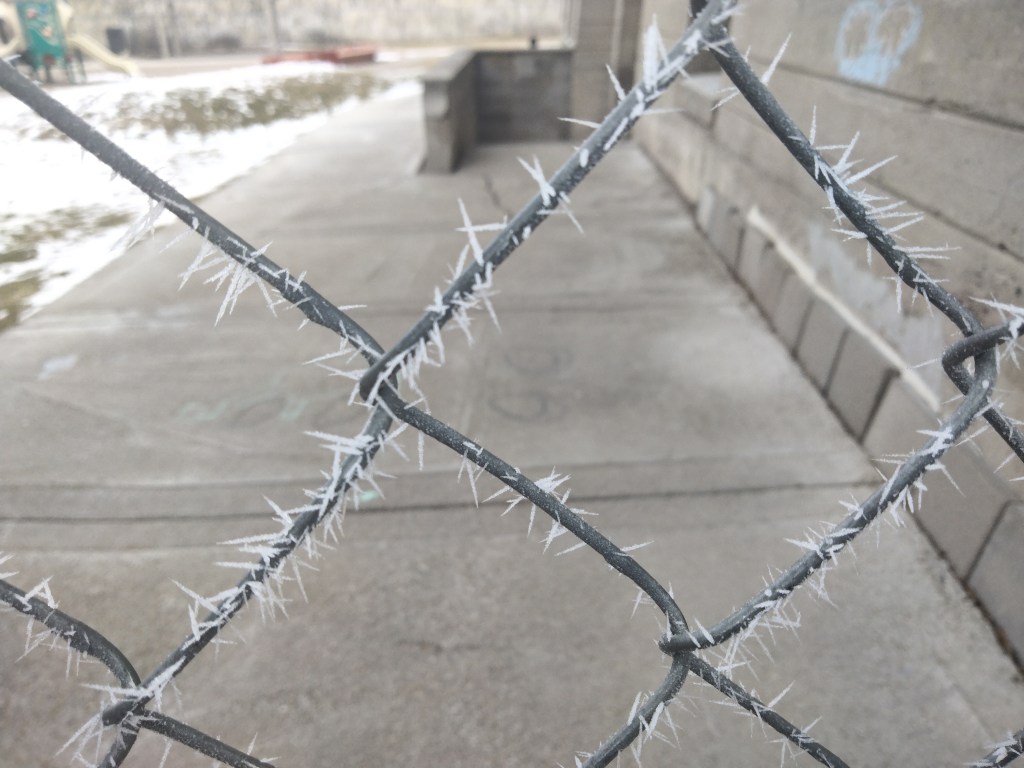
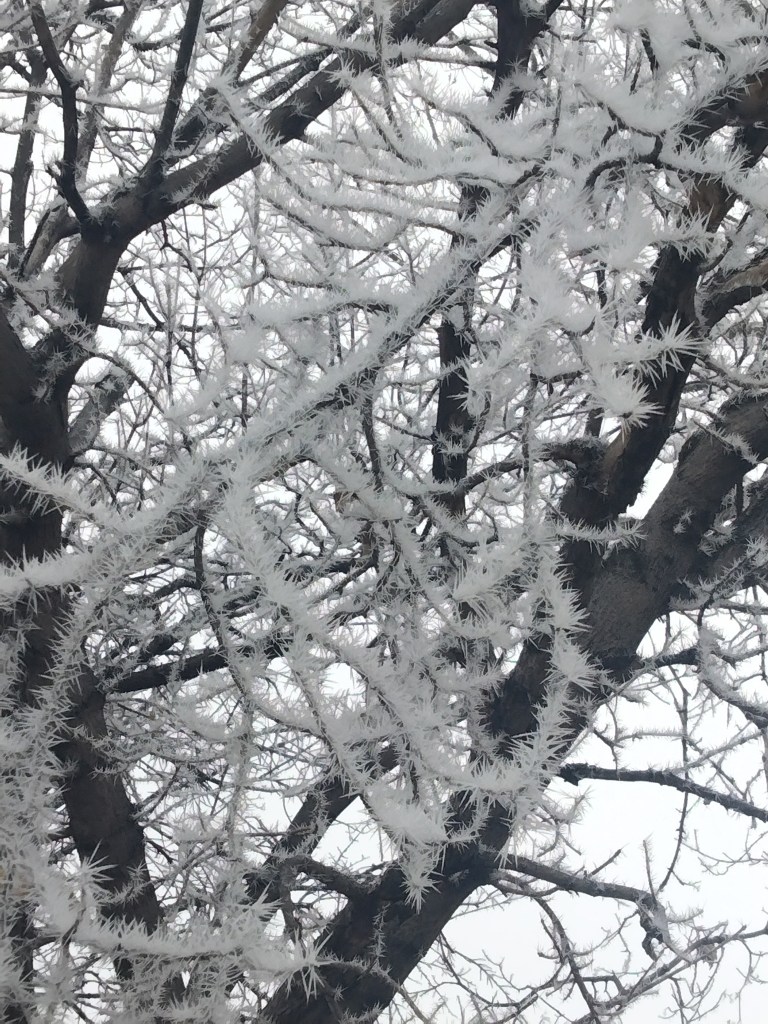
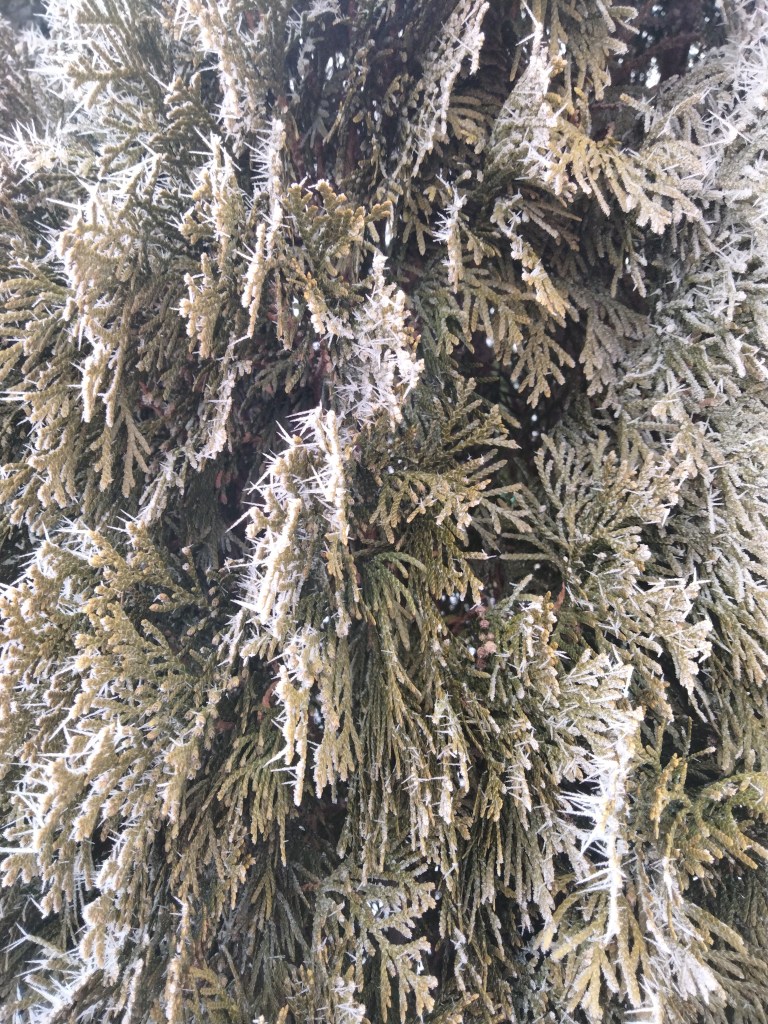
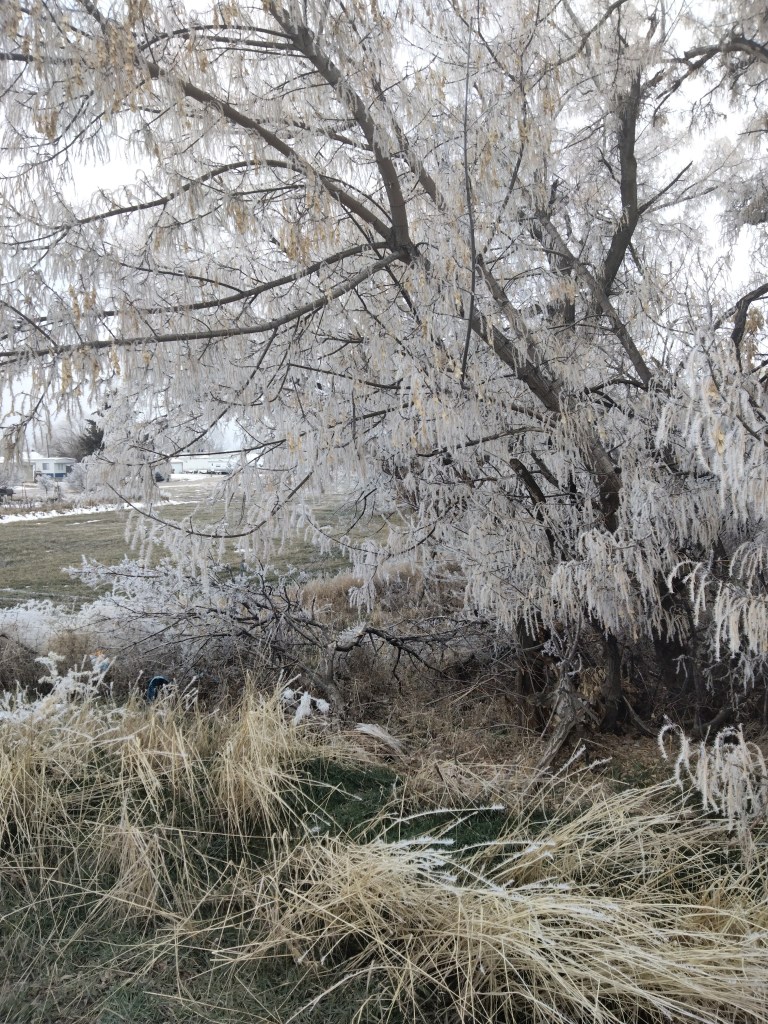
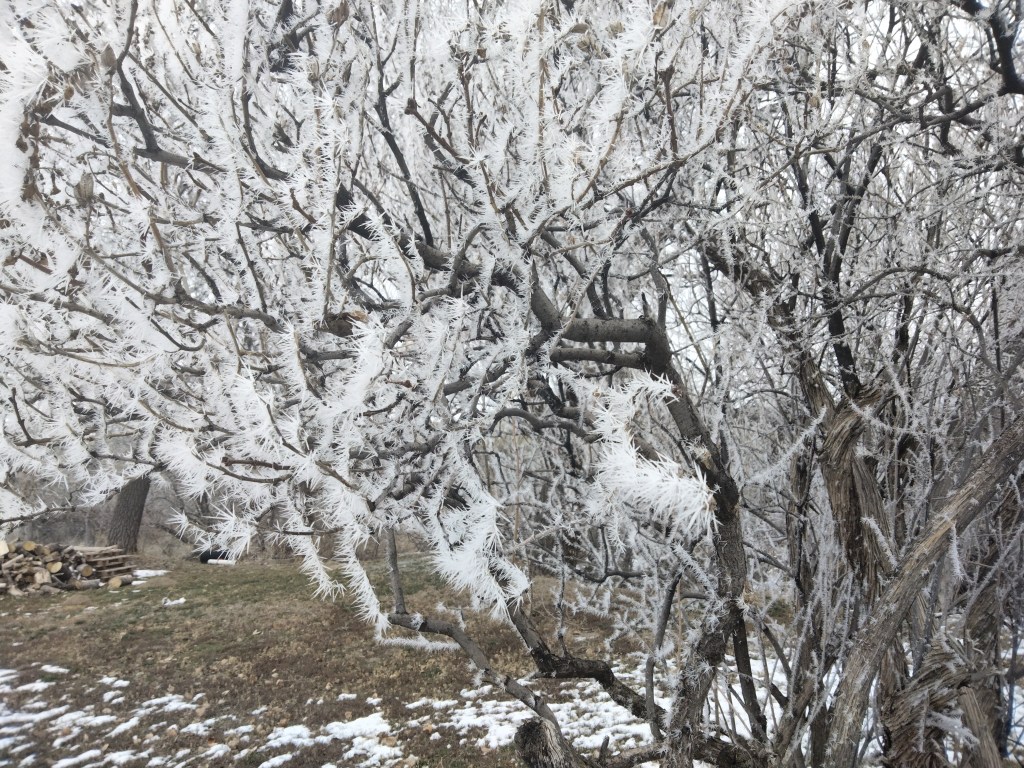
Hoarfrost 2026
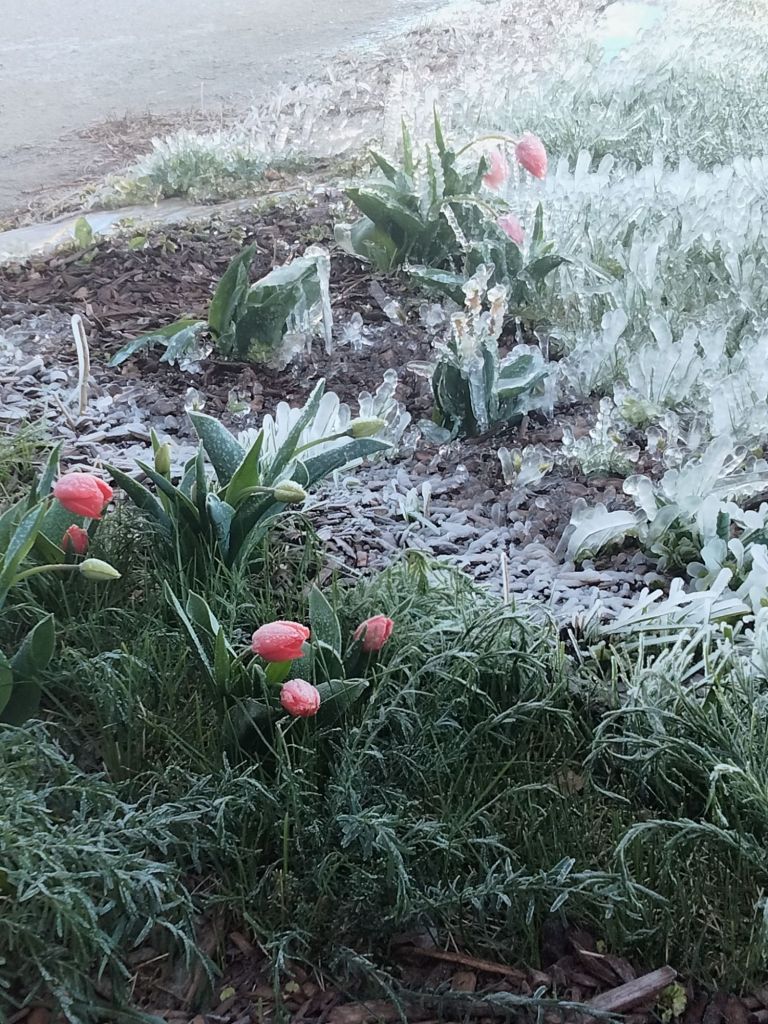
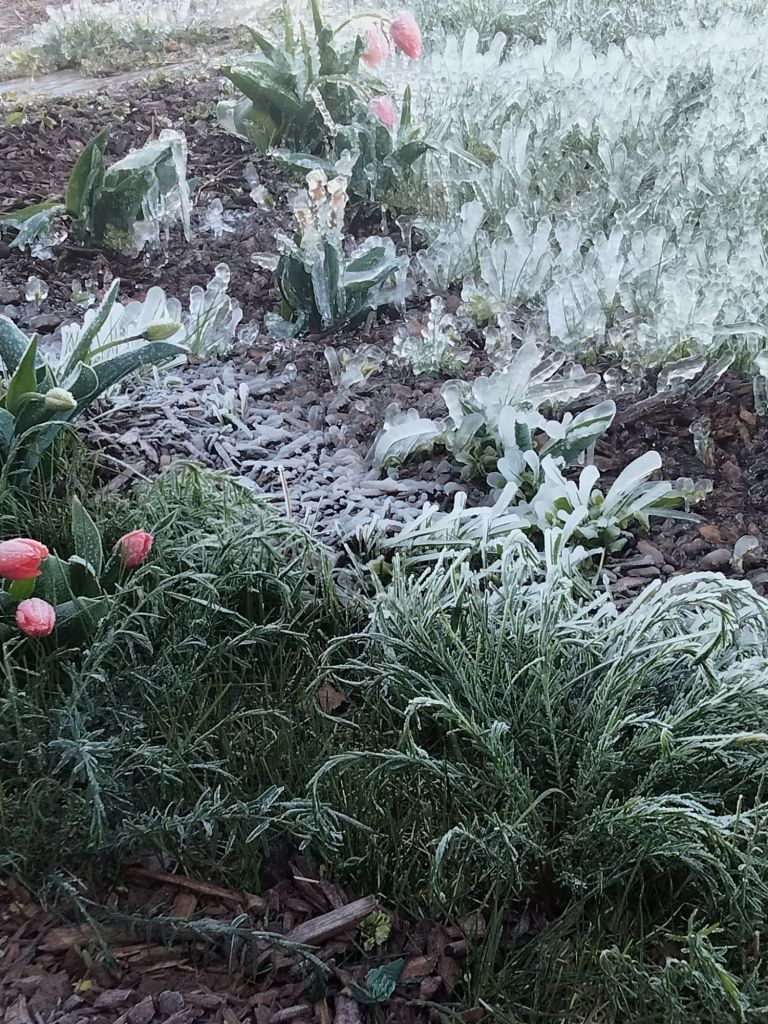
Nota bene: I planned this post and uploaded these photos before the big snowstorm hit the southern & eastern United States. Here in the West, we have had an unseasonably mild and un-snowy winter. So these are not disaster pictures, just the wonders of Nature. Enjoy!

 Out of Babel Books