Greco-Fiction: How I Did

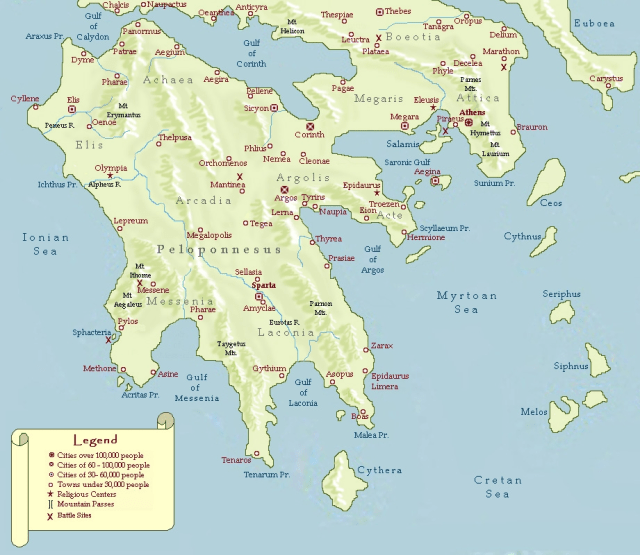
About nine months ago, I decided I was going to read all the fiction I could that was set in or based upon ancient Greece. This does not mean I would or could read everything that was out there. In fact, my local library had some new books in the genre that I picked up, glanced through, and decided weren’t worth my time. It’s a very popular genre, and it has given rise to some incredible classics and some incredible stinkers.

Here’s what I did read:

Date readTitle & authorMy reaction
January 2026Circe, Madeline Millerheartbreaking in the best way
February 2026Till We Have Faces, C.S. Lewis(a re-read)
in my opinion, far & away his best novel
Feb – March 2026The King Must Die, Mary Renault(a re-read)
insanely good research, poetic literary writing
March – May 2026Christianity and the Hellenistic World, Ronald H. Nashnonfiction; explores whether Christian ideas were borrowed from Greek culture
May 2026No Friend to This House, Natalie Haynesperhaps the best you could do with a Jason and Medea re-telling, which isn’t saying much, as they are both royal stinkers who deserve each other
June 2026The Sea of Monsters, Rick Riordana Percy Jackson book: fun, woke-ish, O.K.
July 2026The Siren Song, Anne Ursua better Rick Riordan
in processThe Letters to the Corinthians: Revised ed., William BarclayWhat better time to read a commentary on Paul’s letters to the new church in Corinth?
yet to readThe Bull from the Sea, Mary Renaultsure to be demanding but good
yet to readThe Curse of King Midas, Colleen M. StoryI started this, but it just was not the time for it.

Quote: Not for the Faint of Heart

The pursuit of truth and justice is not for the faint of heart. Whether it involves a personal conflict, an ecclesiastical conflict, or a civil conflict, there are many points where the temptation to cave in or retreat is significant. It takes real courage to fight for justice. No good deed goes unpunished. Parents, pastors, and judges can be, and often are, cowards in the face of conflict. The pursuit of justice can be costly.

-A Justice Primer, 3rd ed., by Wilson & Booth, p. 202

Plant Identification

Last fall, I ordered some chicory seeds online and planted them in my garden. I was disappointed this spring when none of them came up (unlike the heirloom garlic I also planted). But then … late in the summer … up came exactly one chicory plant!

Here it is, with its distinctive lavender-colored flower.

This the root, which is the part that you can dry, grind, and use as a substitute for coffee.

In my garden, and along the edge of the yard, we also got this thistle coming up. I had heard of yellow chicory, so I pulled it up too, hopefully.

A quick search told me it is either Common Sow Thistle (which can also be used as coffee substitute! Yay!) or Perennial Sow Thistle (which can contain dangerous levels of nitrates! Boo!). Unsure whether it would make good coffee or poison me, I threw the Sow Thistle away.

The Magic Bicycle: A Very Early MG Dystopia

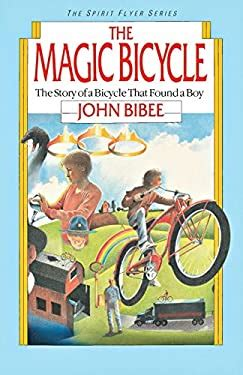
The Magic Bicycle by John Bibee

This is a throwback review.

I remembered that, when I was a kid or a tween, my family got ahold of this series, the Spirit Flyer series. This is the first one. It was published by InterVarsity Press, in 1983. You can see that the cover art style is very 80s. It’s reminiscent of the Choose Your Own Adventure books, which I also loved. The kid’s hair is late 70s/early 80s American hair. The art style is realistic, not exaggerated to make the characters look like elves or superheroes or something. The elements in the scene sort of float randomly around in it, a barrage of impressions, like of the old school pictures they used to sell our parents where there was an in-focus view of the kid smiling at the camera, and in the background, a large, soft-focus view of the kid staring wistfully off into the middle distance.

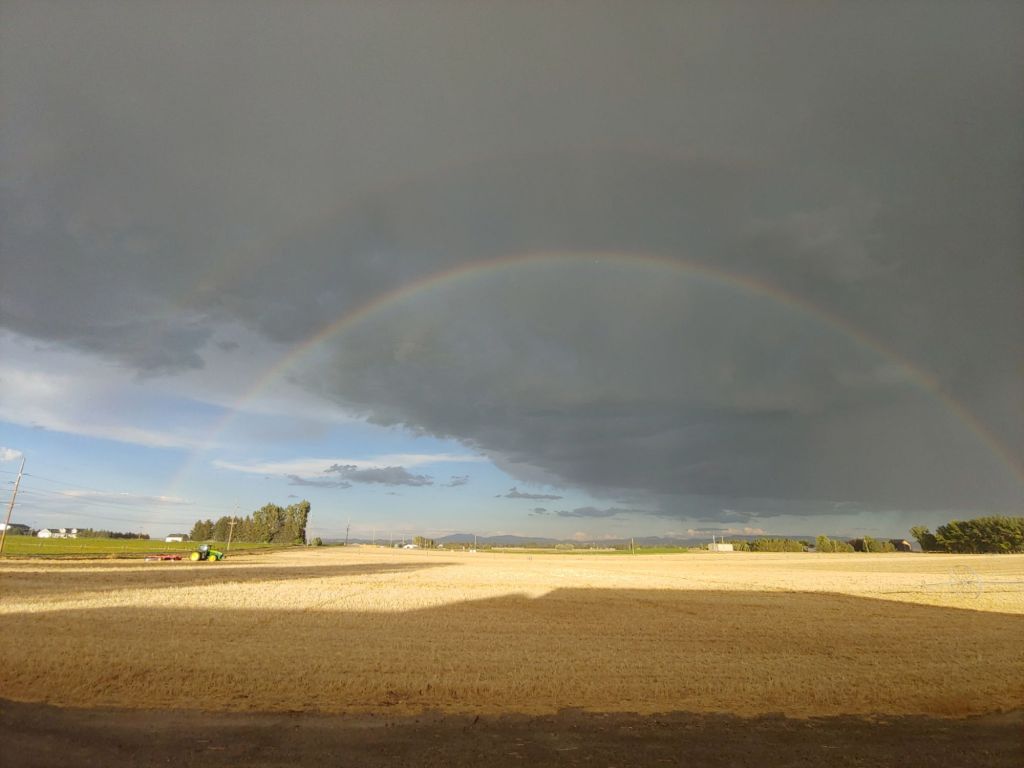
This is not me, but it might as well be.

Anyway.

I remembered that this series was really good. It was written from a Christian perspective, but not nicey-nice Christian. There was a sense of menace that grew from book to book, as a town was taken over by some kind of evil organization. I remembered it being almost like That Hideous Strength for kids.

Recently, whilst at my parents’ house looking for a different book, I saw this and decided to give it a re-read. Long story short, it’s as good as I remembered. It is an earnest book. The action unfolds slowly at first. In the first few chapters, John (the main character’s name — this book doesn’t shy away from cliches) trash-picks an old bicycle at the dump and fixes it up. He’s an 80s kid, which means he seems very independent and capable to us today. The process of fixing up the old bike over a period of about two days is described methodically. Meanwhile, John is dealing with a best friend; neighborhood bullies; and a stepfamily with whom he lives after his parents died in a car wreck: a strict, no-nonsense uncle, a self-effacing aunt, and three girl cousins, the oldest of whom is very kind.

When bad things start happening, the symbolism is super obvious, but the narrative is unapologetic. There is a huge black snake apparition with red eyes. There is a human villain, seemingly nice but possessed of a creepy grin, who later shows up with “the face of someone dead–a pale shriveled mask of a face with its teeth bared, snarling like a rabid dog.” (131) A strong smell of something dead often accompanies them.

As you can see from the quote above, the writing is earnest too. The Magic Bicycle is written simply, as appropriate for middle grade, but not fatuously. Bibee isn’t afraid to use time-worn phrases (“like a rabid dog”), but they do not come off as lazy because he has something to say and his story is going somewhere. His book reminds me of C.S. Lewis pointing out to young writers that “if you just say what you want to say, without caring twopence about how often it has been said before, nine times of ten you will find yourself becoming original without really trying.”

Greco-Fiction: The Siren Song of the Cronus Chronicles

Cyberpunkgirl recommended Anne Ursu’s Greek-mythology-inspired middle-grade books, after I gave a tepid review of a Percy Jackson book. Not too long afterwards, I found myself at the bookstore, remembered Ursu’s name, and looked her up. Sure enough, they had all the Cronus Chronicles except for the first one. (Why do bookstores do this?) So I got #2, The Siren Song.

I really enjoyed it. While clever and funny, it is somehow more sweet and sincere than the Percy Jackson books. Charlotte is very believable as a spunky, stubborn, impulsive 13-year-old girl. I also liked that it is written in the third person limited (usually from Charlotte’s perspective but occasionally from the perspective of one of the villains, or of her cousin Zee), and in the past tense. Books written in the first person, especially in the present tense, are the bane of my existence most of the time.

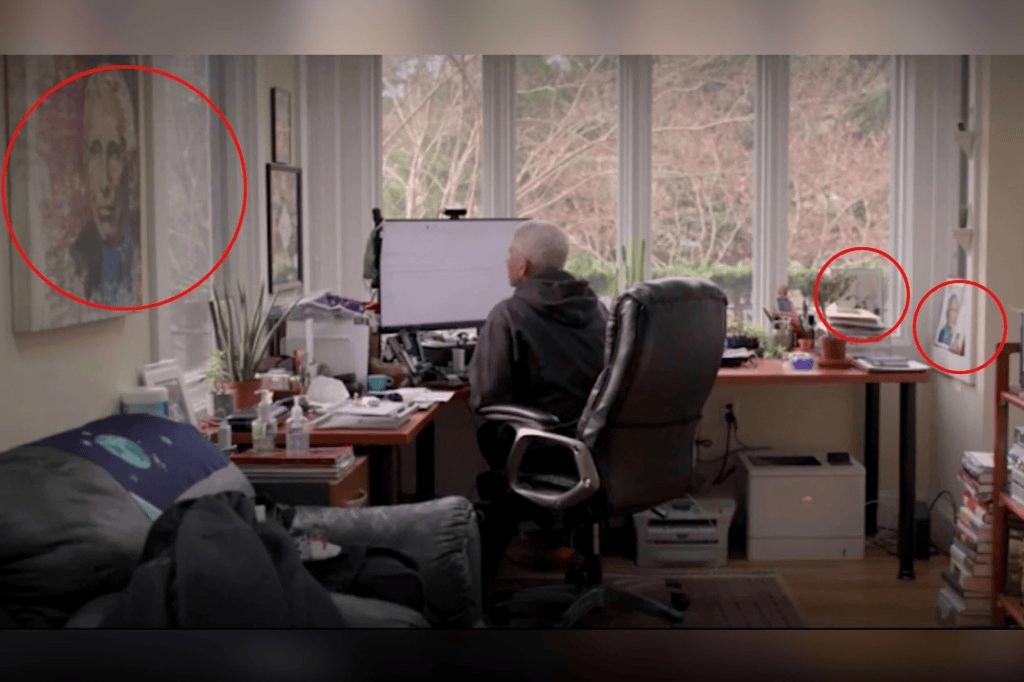
In this book, Charlotte tangles with Poseidon. He is extremely self-involved (as we would expect of a god), and has images of himself all over his magical yacht, from mosaics to murals to his face on furniture and light fixtures. Which reminded me of something …

Ahem. Anyway.

My favorite character had to be Sir Lawrence Gaumm, a true English gentleman, and no, I won’t tell you what species he was, but he was delightful.

Quote: Desire for Endless Life Leads to Living Death

Death was ever present, because the Numenoreans still, as they had in their old kingdom, and so lost it, hungered after endless life unchanging. Kings made tombs more splendid than houses of the living, and counted old names in the rolls of their descent dearer than the names of sons. Childless lords sat in aged halls musing on heraldry; in secret chambers withered men compounded strong elixirs, or in high cold towers asked questions of the stars. And the last king of the line Anarion had no heir.

–Faramir, in The Two Towers, p. 286