
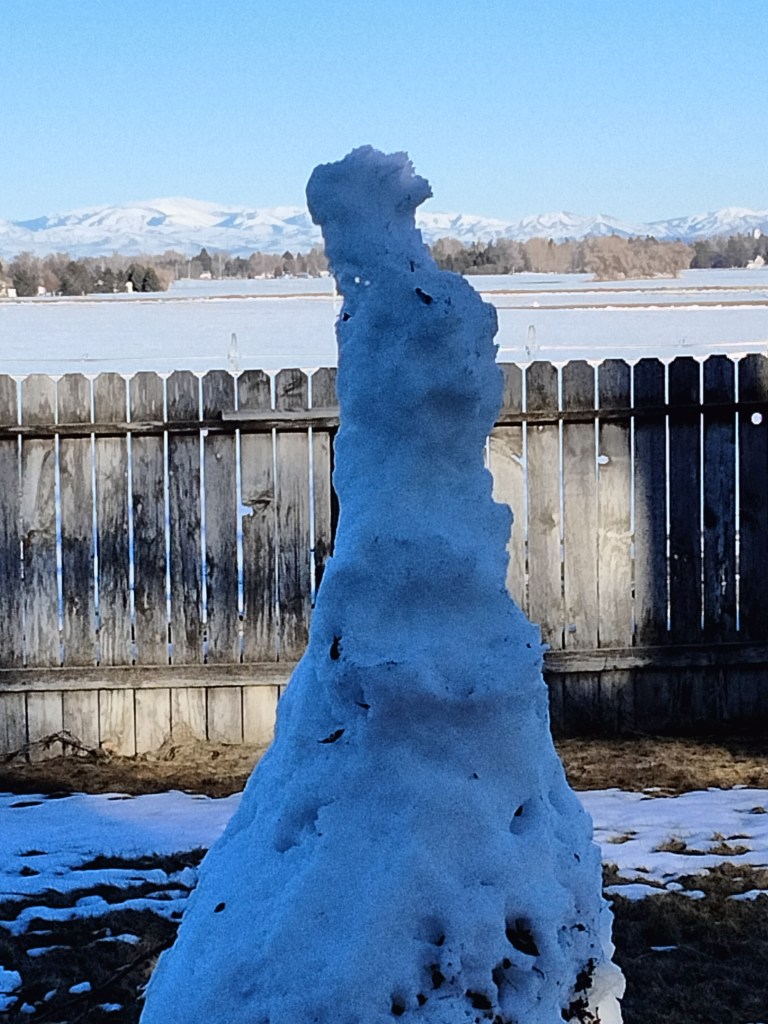


I chose this photo off Pexels, and now I almost can’t stand to post it, because it could be my dad in 20 years.
I’ve been thinking lately about how the death of the mentor, in fiction, is often more poignant than the death of the Significant Other. Maybe it’s because the former happens more often. In a normal quest-type story, the mentor gets killed at some point, often kind of early in the action, and the S.O. doesn’t get killed at all, or often even threatened until later in the story. The exception would be crime-fighting superhero tragic back stories, where having a beloved wife killed off to serve as motivation is so common that it has been given a derogatory name (“fridging”).
Anyway, the above paragraph is, of course, just about stories that follow very conventional models. Stories in the wild are quite individual and they go all over the place. Here are some mentor deaths that spring to mind, from stories good, bad, and ugly:
In the comments, please add your own.
Perhaps another reason that the mentor’s death is more poignant than the S.O.’s is that the relationship has gone on longer and has been, in a sense, more important to the young protagonist. It is, of course, in a sense the mentor’s job to die. He or she will have to take a less prominent role in the young hero’s life as the latter matures. And, older people tend to die. Joseph, on his deathbed, says, “I am about to go the way of all the earth.” But a tragic mentor death, like the ones above, seems to happen too soon, when we still need them, when we’re not ready.
I myself have ruthlessly killed off my characters’ mentors, sometimes more than one in the same book. I did not plan to do this in order to torture my young protags; it was just the way the story unfolded. One or two deaths even took me by surprise. However, some of my older men and women managed to survive the story long enough in order to be a rock for the rising generation.
Some people, sadly, have really tragic childhoods and are faced with death, loss, and betrayal well before they should have been. For young readers not in this position, I find that the type of story death that they find most poignant (and that therefore is most likely to appear in their literature) changes with stage of life:
So, when I was a kid, it was stories of animals (including toys — I’m looking at you, The Velveteen Rabbit) that really got me. Now that I’m a parent, it’s stories where the baby or toddler dies that I really can’t stand to read.
It’s as if our hearts are pieces of leather that just keep getting softer and more tattered and beat up the more they experience.
I’ve been busy lately, so this post was written in one sitting. I apologize that it’s sort of a mind dump. I’m sure all these things have been articulated before, and much better than this, probably by Jordan Peterson.
Share your thoughts in the comments.
Just sayin’.
This will only be amusing if you know them.

Matt Walsh: What Is A Woman?
Ben Shapiro: What Are Feelings?
Michael Knowles: What Is the Protestant Reformation?
Andrew Klavan: What Is the Council of Elrond?

Badger … Matt Walsh
Toad … Michael Knowles
Mole … Andrew Klavan
Rat … Ben Shapiro
Waste forces within him, and a desert all around, this man stood still on his way across a silent terrace, and saw for a moment, lying in the wilderness before him, a mirage of honorable ambition, self-denial, and perseverance. In the fair city of this vision, there were airy galleries from which the loves and graces looked upon him, gardens in which the fruits of life hung ripening, waters of Hope that sparkled in his sight. A moment, and it was gone. Climbing to a high chamber in a well of houses, he threw himself down in his clothes on a neglected bed, and its pillow was wet with wasted tears.
Sadly, sadly, the sun rose.
A Tale of Two Cities, Book II, Ch. V, “The Jackal”



This is such a great pattern for showcasing different color combinations.
Of what profession? Gentleman. Ever been kicked? Might have been. Frequently? No. Ever kicked downstairs? Decidedly not; once received a kick on the top of a staircase, and fell downstairs of his own accord.
A Tale of Two Cities, Book II, Ch. III

the light on the eastern hills can have a slight rainbow effect.




 Out of Babel Books