
Don’t see the mountains on the horizon yet? … Look closer …

Don’t see the mountains on the horizon yet? … Look closer …
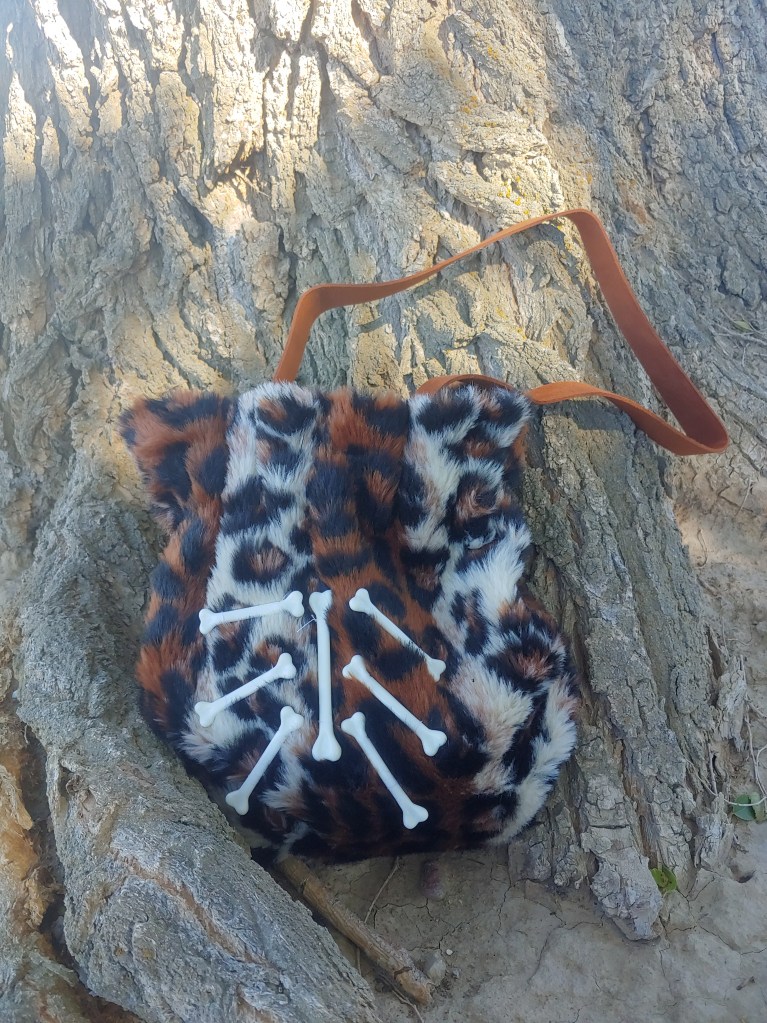
It’s a cave woman handbag.
For those times when we need to forage in style.
[The megachurch’s] ads extolling the virtues of flexibility in changing times, adaptability in the face of difficulties, and going-with-the-flowness in the event that your church was ever caught in a flash flood of scandal, were ads that were hip, ironic, self-effacing, detached, and exuded a coolness unto death.
Evangellyfish, by Douglas Wilson, p. 202
I have to admit, I expected that the Etruscans would turn out to have been a Hamitic people. But according to this article, it looks like they came from the Pontic-Caspian steppe, just like the early Romans did … and more or less just like historical tradition said they did …
Of course, the sample size is small (only 82 individuals). It may yet be revealed that the Etruscans intermarried with an earlier, possibly Hamitic people, from whom (maybe?) they also got their language and their metalworking skills? But that’s pure speculation on my part. Who knows? Genetics and history both allow for a lot of speculation.
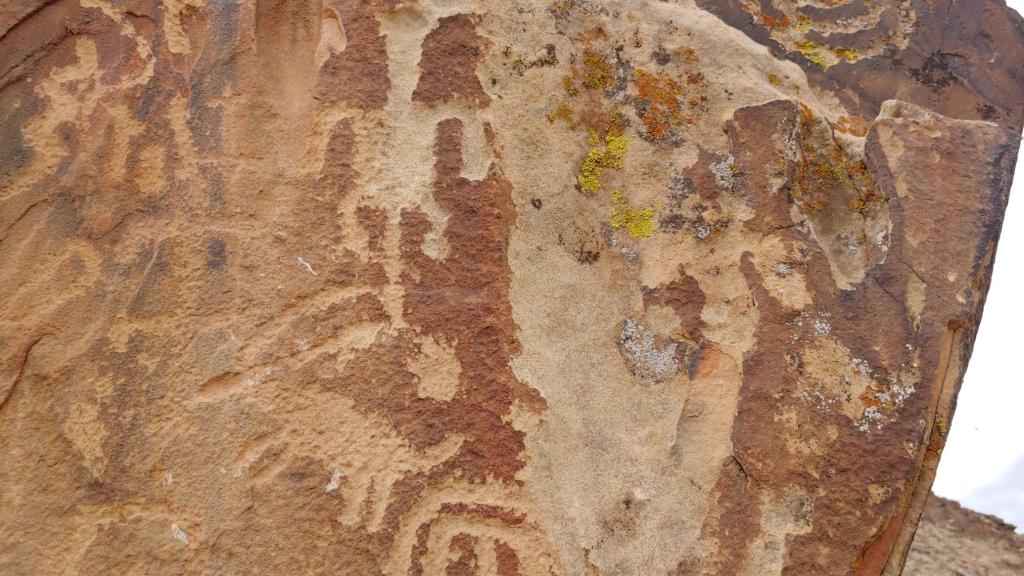

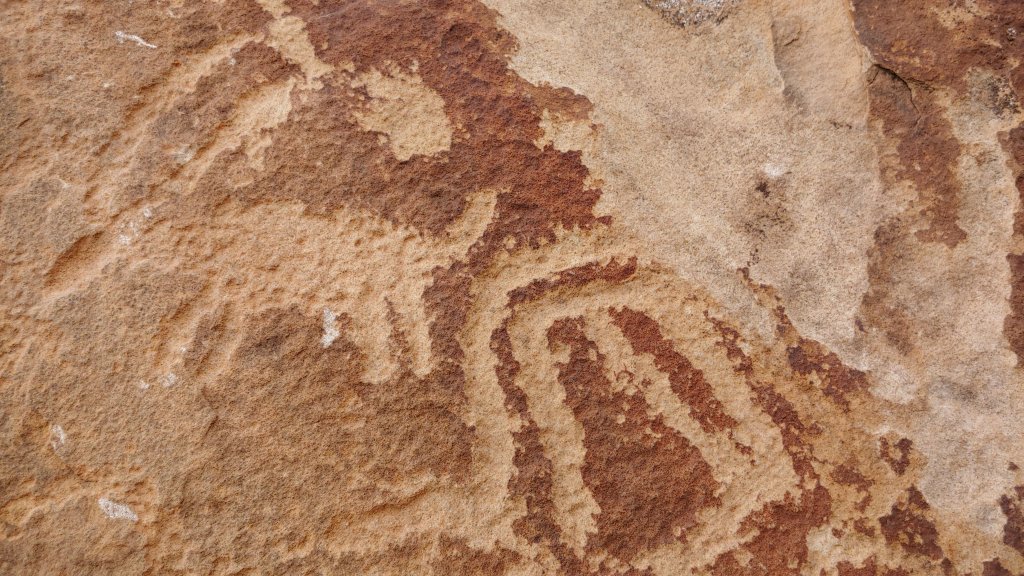
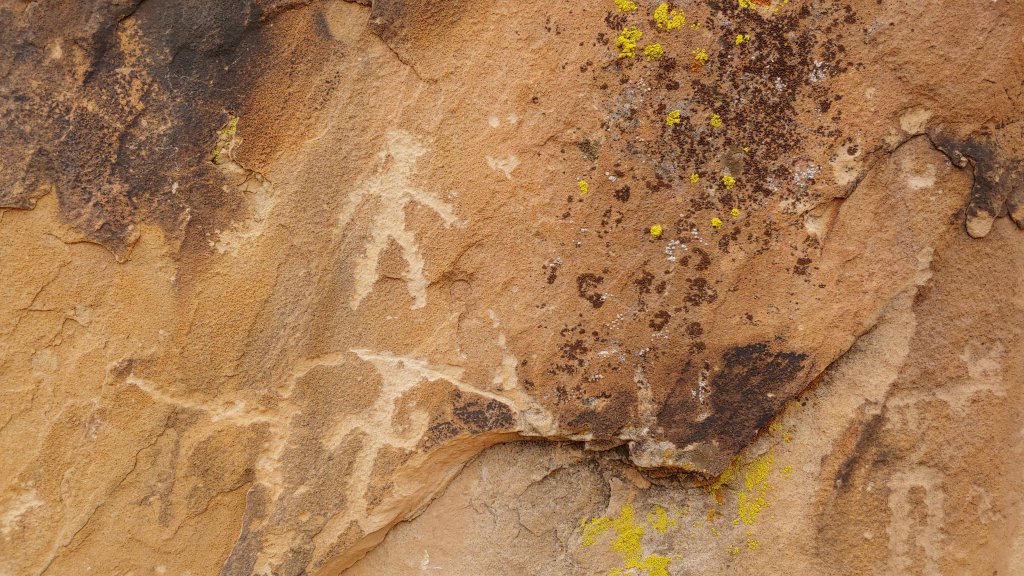
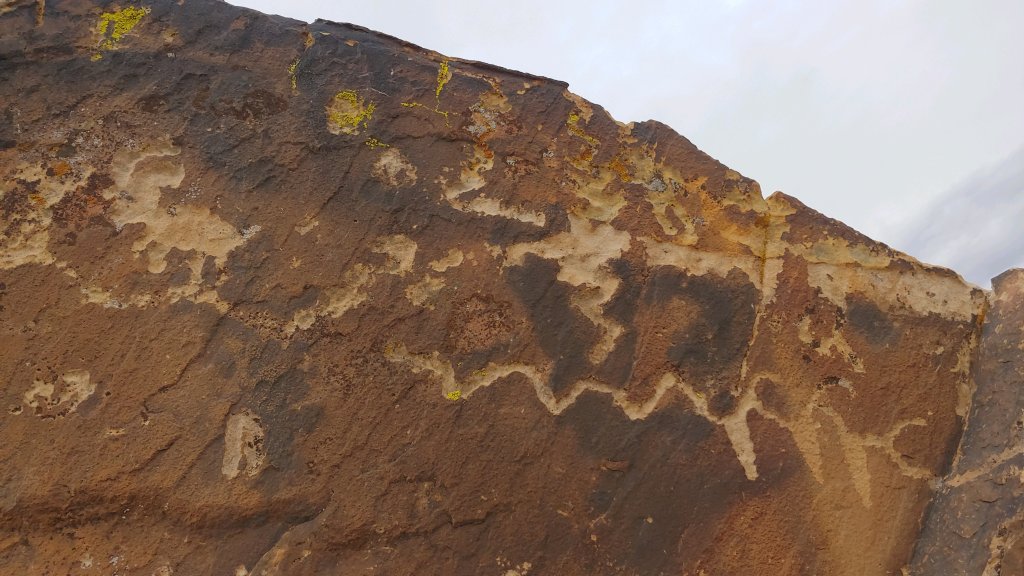


Compare to these:


I finally finished reading the abridged version of The Gulag Archipelago, by Aleksandr Solzhenitsyn. The abridged version is 470 pages long, and it still gives the impression that we are only scratching the surface of all that happened with the camp system in the century since the Russian Revolution. Solzhenitsyn himself writes with regret about the fact that his account is sadly incomplete:
Those whom I asked to take on particular chapters would not do so, but instead offered stories, written or oral, for me to use as I pleased. What we really needed was a well-staffed office. [But] not only could I not spread myself like this; I had to conceal the project itself, my letters, my materials, to disperse them, to do everything in deepest secrecy. I even had to camouflage the time I spent working on the book with what looked like work on other things.
I must explain that never once did this whole book, in all its parts, lie on the same desk at the same time! In September, 1965, when work on the Archipelago was at its most intensive, I suffered a setback: my archive was raided and a novel impounded. At this point the parts of the Archipelago were already written, and the materials for the other parts, were scattered, and never reassembled: I could not take the risk, especially when all the names were given correctly.
I have stopped work on the book not because I regard it as finished, but because I cannot spend any more of my life on it. Besides begging for indulgence, I want to cry aloud: When the time and the opportunity comes, gather together, all you friends who have survived and know the story well, and write your own commentaries … Only then will the book be definitive. God bless the work!
The full list of those without whom this book could not have been written, or revised, or kept safe cannot yet be entrusted to paper. They know who they are. They have my homage.
pp. 469 – 472
There are many words that could be used to describe the experience of reading this book. Horrifying, overwhelming, and in parts, inspiring. But I have chosen sobering because that is the overall impression that it left with me. No book about the systematic arrest, imprisonment, degradation, and murder of millions of people — and the suppression of their stories — can end on a triumphant note. Even when the triumph that has happened is that their stories have finally been told:
We could not foresee what it would be like: how for no visible compelling reason the earth would shudder and give, how the gates of the abyss would briefly, grudgingly part so that two or three birds of truth would fly out before they slammed to, to stay shut for a long time to come. So many of my predecessors had not been able to finish writing, or to preserve what they had written, or to crawl or scramble to safety — but I had this good fortune: to thrust the first handful of truth through the open jaws of the iron gates before they slammed shut again.
Like matter enveloped by antimatter, it exploded instantaneously!
Only too rarely do our fellow countrymen have a chance to speak their mind … and former prisoners still more rarely. Their faith had proved false, their hopes had been cheated so often — yet now they believed that the era of truth was really beginning, that at last it was possible to speak and write boldly!
And they were disappointed, of course, for the hundredth time …
When Krushchev, wiping the tear from his eye, gave permission for the publication of [my novel about the gulags] Ivan Denisovich, he was quite sure that it was about Stalin’s camps, that he had none of his own.
I myself was taken by surprise when I received a stream of letters — from present-day zeks [prisoners]. These letters, too, were a single many-throated cry. But a cry that said, “What about us!!??” And the zeks set up a howl: What do you mean, never happen again? We’re here inside now, and our conditions are just the same!
“Nothing has changed since Ivan Denisovich’s time” — the message was the same in letters from many different places. “Any zek who reads your book will feel bitterness and disgust because everything is just as it was.” “What has changed, if all the laws providing for twenty-five years’ imprisonment issued under Stalin are still in force?”
After reading all these letters, I who had been thinking myself a hero saw that I hadn’t a leg to stand on: in ten years I had lost my vital link with the Archipelago.
pp. 451 – 453
Though I have never lived under an oppressive socialist regime, many parts of this book felt familiar because human psychology is the same. For example, in an early chapter Solzhenitsyn describes how common it was for people to be arrested because they had been accused or betrayed by a jealous spouse. A man secretly accuses another man who he suspects is having an affair with his wife. A wife accuses her husband so she can get rid of him and live with her lover. This is the same phenomenon we now see on campuses where bitter exes will use the university’s sexual-harassment reporting system to take revenge on each other. And it’s not just about women vs. men: I recently saw a case where a lesbian used it to take down her ex, who happened to be a professor, after the relationship went sour. The problem is that when you set up a bureaucratic “justice” system that can be easily used to ruin people, the temptation to use it on your personal enemies is almost overwhelming.
Here are some other things that felt oddly familiar: When Solzhenitsyn’s book A Day in the Life of Ivan Denisovich came out, the Soviet newspapers grudgingly praised it: “an explosion of newspaper articles — written with gritted teeth, with ill-concealed hatred and resentment: an explosion of official praise that left a sour taste in my mouth” (p. 451). This, in turn, caused former prisoners to assume that the book was not an actual expose, but rather “controlled opposition” put out by the regime as more propaganda.
“The prolonged absence of any free exchange of information within a country opens up a gulf of incomprehension between whole groups of the population, between millions and millions. We simply cease to be a single people, for we speak, indeed, different languages.” (p. 432)
The mildest and at the same time most widespread form of betrayal was not to do anything bad directly, but just not to notice the doomed person next to one, not to help him, to turn away one’s face, to shrink back. They had arrested a neighbor, your comrade at work, or even your close friend. You kept silence. You acted as if you had not noticed. (For you could not afford to lose your current job!) And then it was announced at work, at the general meeting, that the person who had disappeared the day before was … an inveterate enemy of the people. And you, who had bent your back beside him for twenty years at the same desk, now by your noble silence (or even by your condemning speech!), had to show how hostile you were to his crimes.
p. 323
Because if we ever face anything like this, our own character will be our downfall.
Those people became corrupted in camp who had already been corrupted out in freedom or who were ready for it. Because people are corrupted in freedom too, sometimes even more effectively than in camp.
If a person went swiftly bad in camp, what it might mean was that he had not just gone bad, but that that inner foulness which had not previously been needed had disclosed itself.
Yes, camp corruption was a mass phenomenon. But not only because the camps were awful, but because in addition we Soviet people stepped upon the soil of the Archipelago spiritually disarmed …
p. 319
When people express vexation, in my presence, over the West’s tendency to crumble, its political shortsightedness, its divisiveness, its confusion — I recall too: “Were we, before passing through the Archipelago, more steadfast? Firmer in our thoughts?”
And that is why I turn back to the years of my imprisonment and say, sometimes to the astonishment of those about me: “Bless you, prison!”
p. 313
“Childbirth is natural, and not an event that has to be conducted in a hospital. I am here to help women understand how natural this is. But I will have to go in just a moment. How may I help you?”
Rourke had delivered at least three babies in the back seats of cars and taxi cabs, and thought he was qualified to assert that there was nothing whatever that was natural about it. It was the craziest thing in the world. Women were the kind of people that people came out of, for crying out loud, and he thought it was the kind of thing best monitored by world-class doctors and sophisticated electronic gear, maintained closely by teams of nurses with graduate degrees in astrophysics. But that was just his opinion.
Evengellyfish, by Douglas Wilson, pp. 86 – 87
“A Grizzly Bear Terrorized a Man for Days in Alaska. The Coast Guard Saw His SOS“
I mean, this could really be made into a horror movie.
Edit: sorry, the link is now not working. It just takes you to Yahoo news. But I promise you, it was a scary story.
You know I like bear videos. Love-hate, that is. But this one is perfect. Cute, hilarious, almost not scary. Because what’s being mauled isn’t a person, it’s a GoPro. And … it’s recording.
(… Of course, what isn’t a good time for book promotion?)
This post is actually just a quick announcement. I now have a community over on Locals called Out of Babel. I love you all, and I appreciate every visit, like, and comment. But if you are a real glutton for punishment, and want to support me with a nominal monthly amount, go join my community on Locals. You’ll get access to occasional archaeology-inspired short stories, but mostly you’ll just be funding the monster that is the Out of Babel Neanderthal lobby.
Out of Babel community on Locals
By the way, on Locals you can also follow other cool people who are doing stuff that is more obviously urgent for the world than prehistoric fiction.
 Out of Babel Books