
Tag: the natures
Don’t Throw Your Fossils in the Garbage
“Shark Teeth Found in City of David Baffle Archaeologists“
“[S]omebody in ancient Jerusalem, shortly after the legendary reign of King Solomon, collected mineralized shark dentition from the time of the dinosaurs” … and then threw them in the trash.

An Arizona Bigfoot
So, it turns out that Arizona has its own version of Sasquatch. The Mogollon Monster got my attention because the Mogollon are a tribe that plays a major role in the plot of People of the Silence, helping to bring down the civilization centered in Chaco Canyon. MM, however, does not feature in that book.
Botany: Lupine
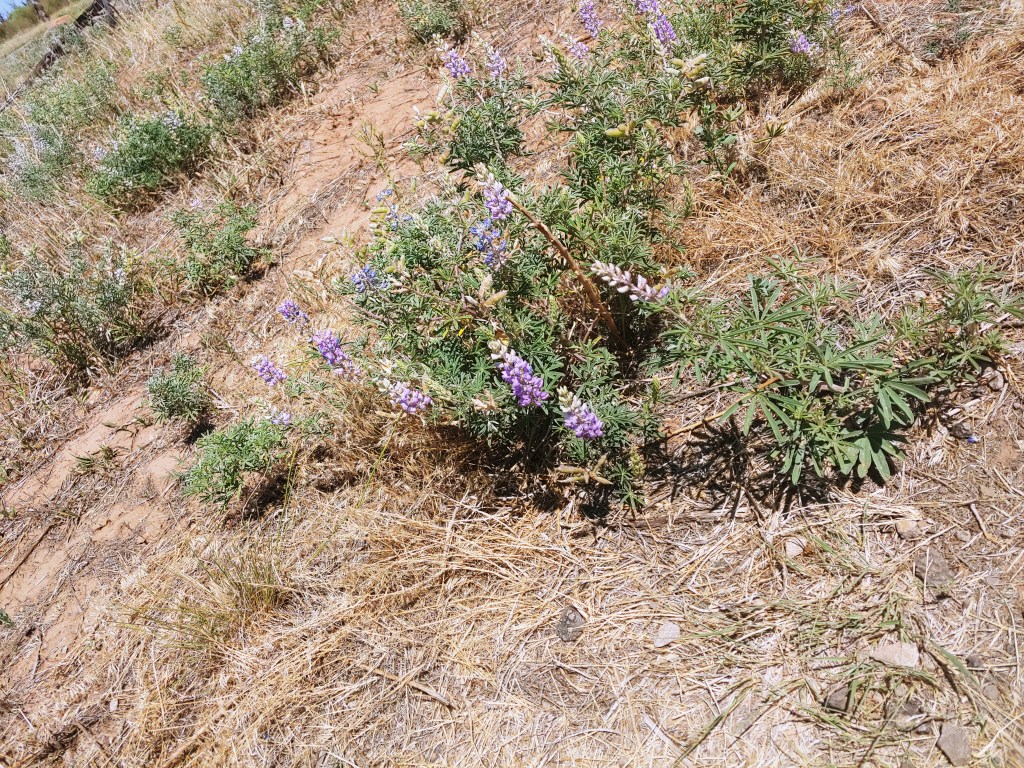
Here is some Silvery Lupine (Lupinus argenteus) I photographed while hiking atop Wetherill Mesa in Mesa Verde, Colorado. It is probably so named “because of the silvery sheen to the leaves in a certain light.”
I noticed that it bears bean pods:
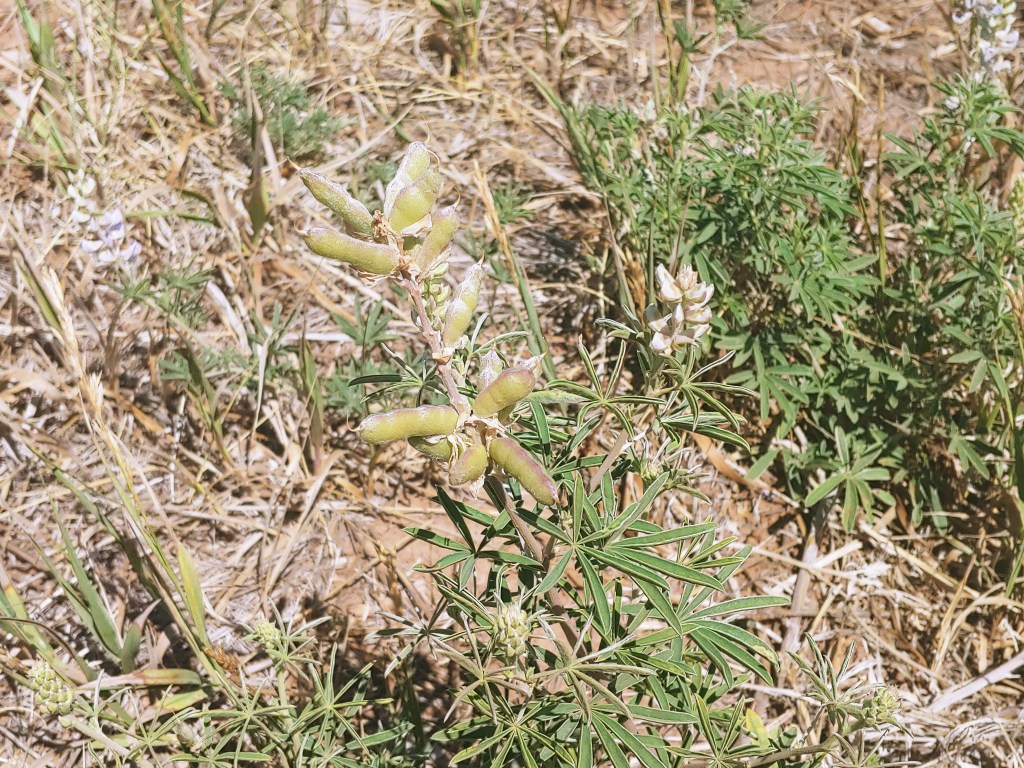
Good thing I didn’t try to eat these, because according to FalconGuides’ Central Rocky Mountain Wildflowers, “Lupines have poisonous alkaloids concentrated in their seeds.” (page 32)
Camping at Mesa Verde
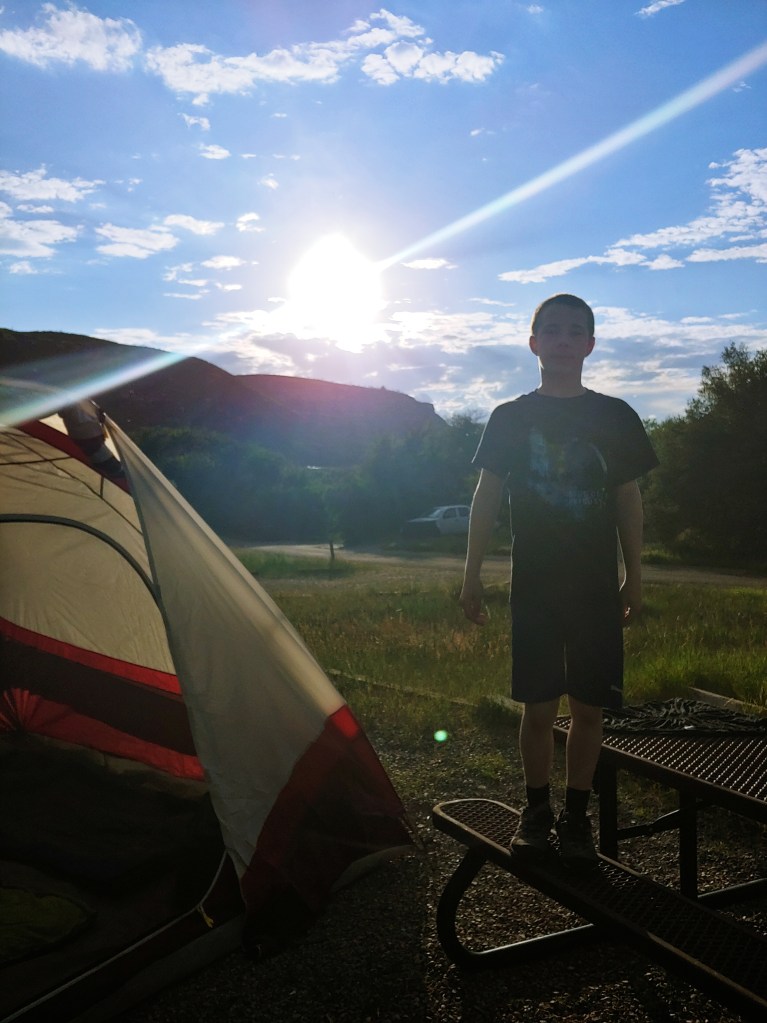
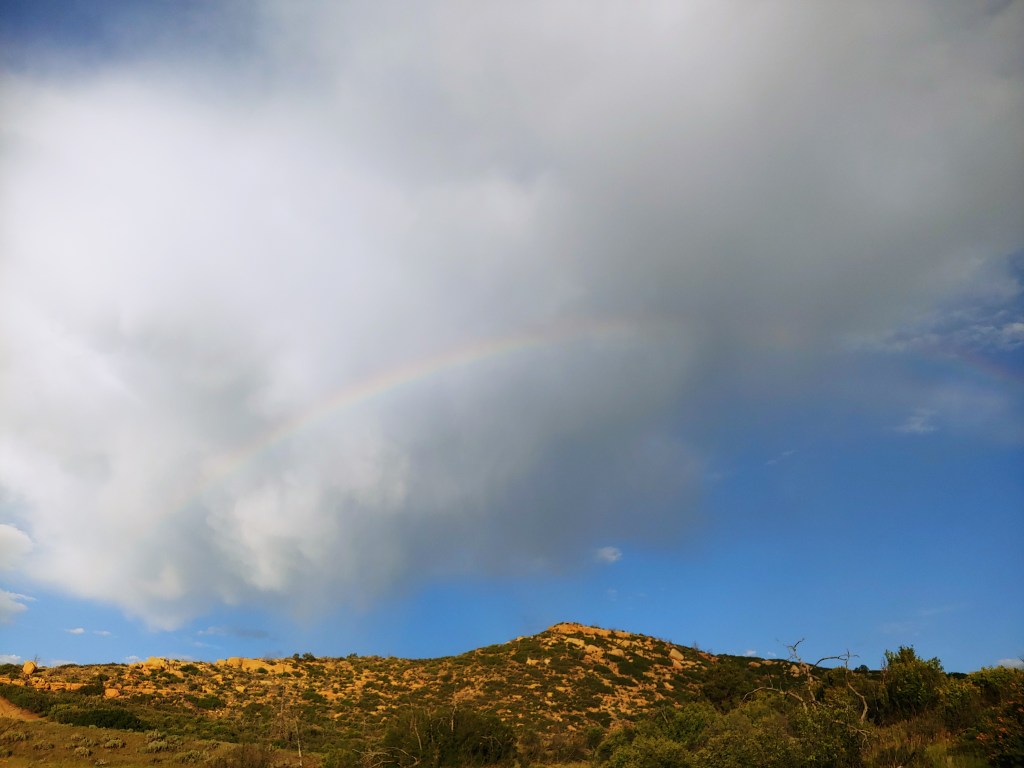
It rained on us … but not much … after all, this is the Southwest!


The John Day Fossil Beds in Oregon
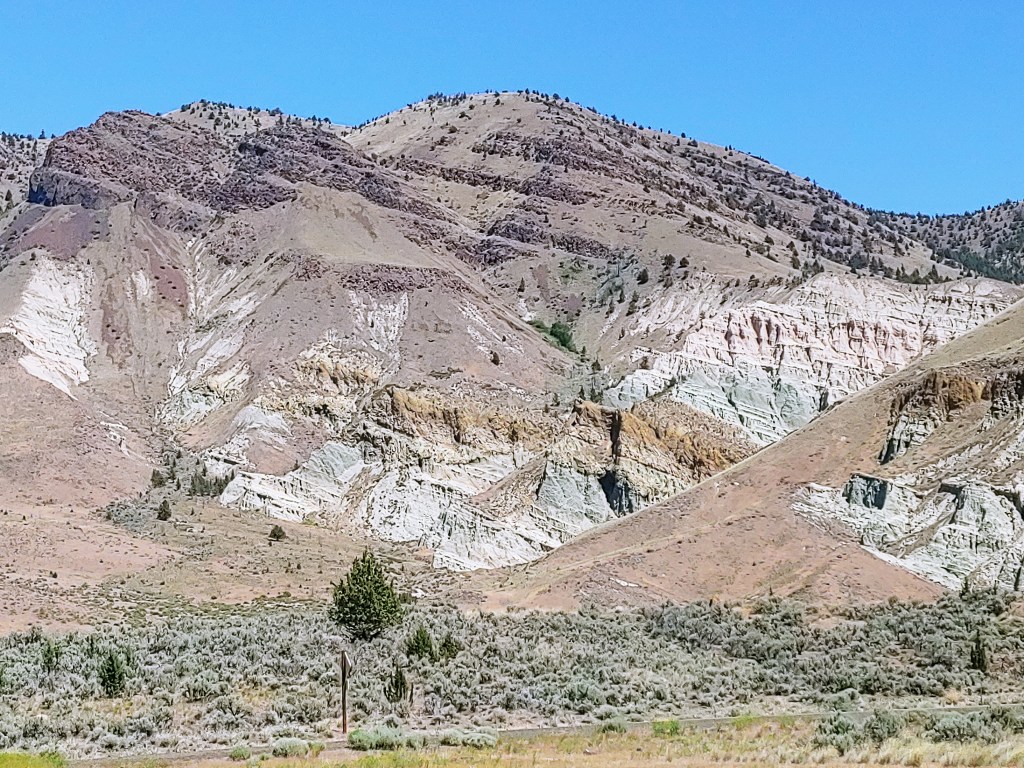
You may remember, a few weeks ago, seeing a picture of Neanderthal Woman standing in front of these green clay layers.
N.W., my kids, and I encountered this site as we were driving through central Oregon. Actually, we had to go a bit out of our way to get to it.
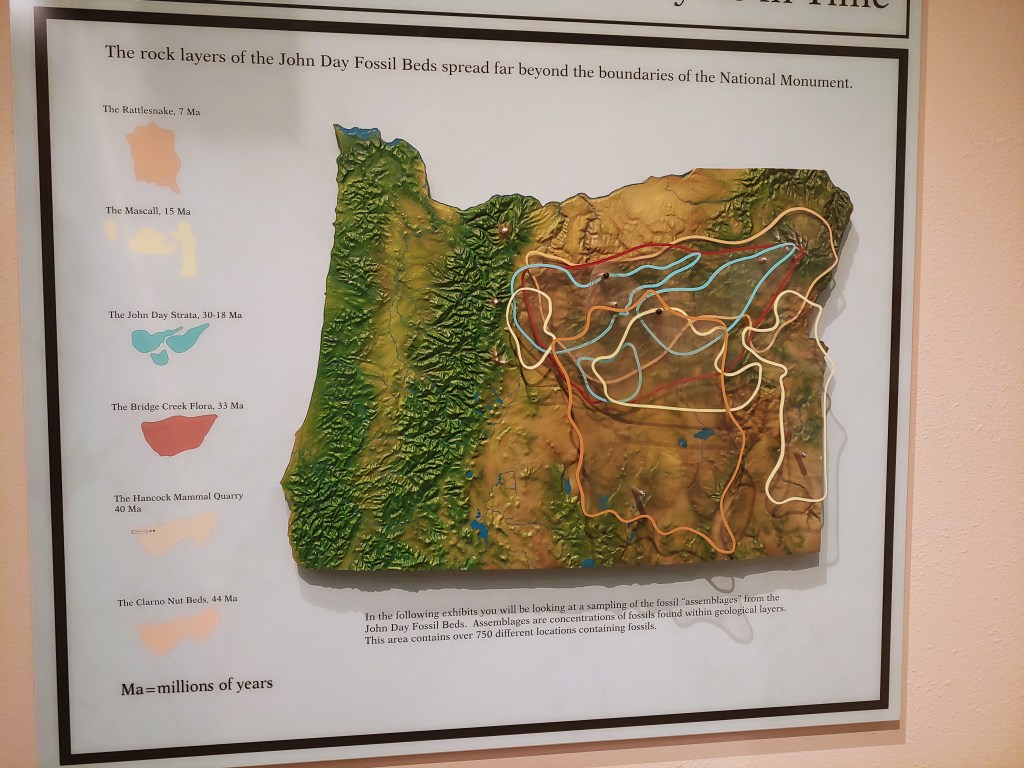
Look at that! We’d been driving over fossil beds all day, ever since we crossed the border!
At one time, this whole area was a semi-tropical rainforest. Then, the whole thing was buried in a massive flow of mud. Supposedly, this happened in stages, starting about 50 million years ago, but let’s not quibble about exactly when. The point is, this forest is now preserved. It’s kind of sad to look up at those interesting-looking hills and imagine all the animal skeletons there, smooshed and squished and smothered in mud, just waiting to be dug out.
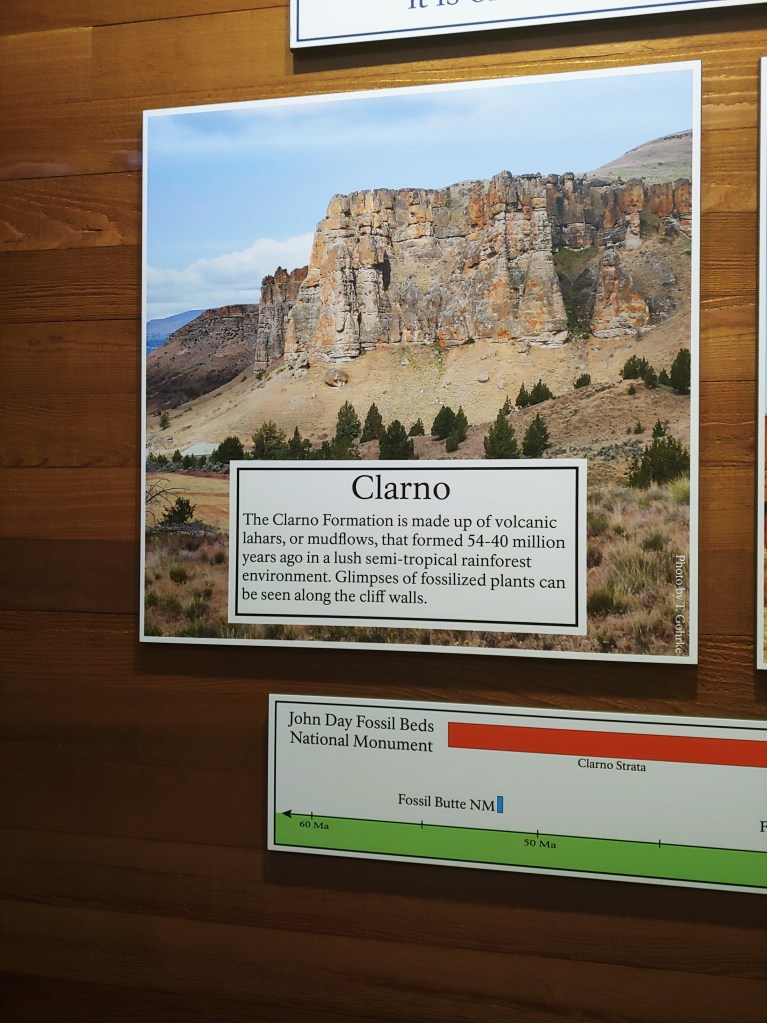
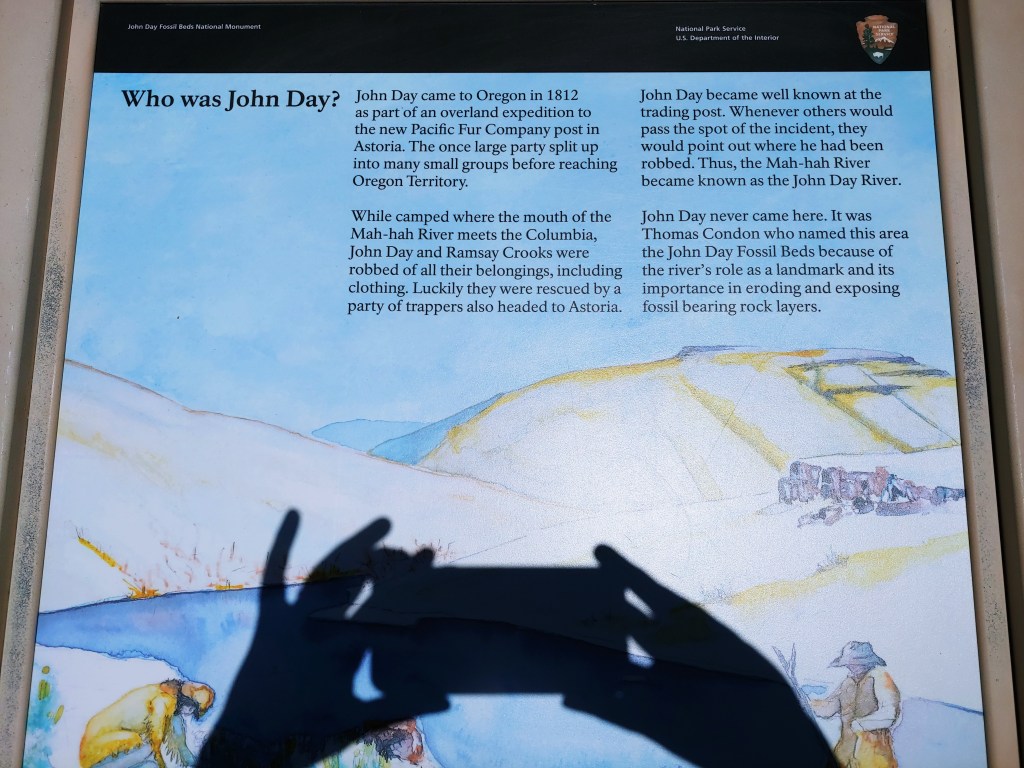
There is a small museum at the site, the Thomas Condon Paleontology Center, where we took refuge from the heat. Here is my son drawing an ancient horse skull.

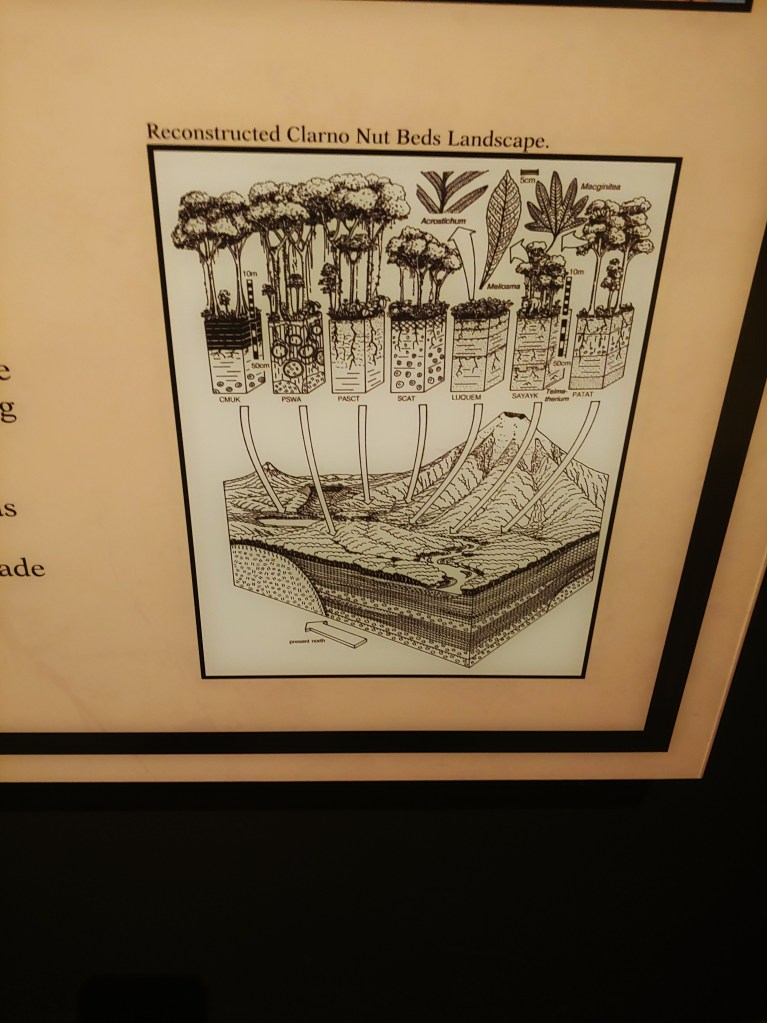
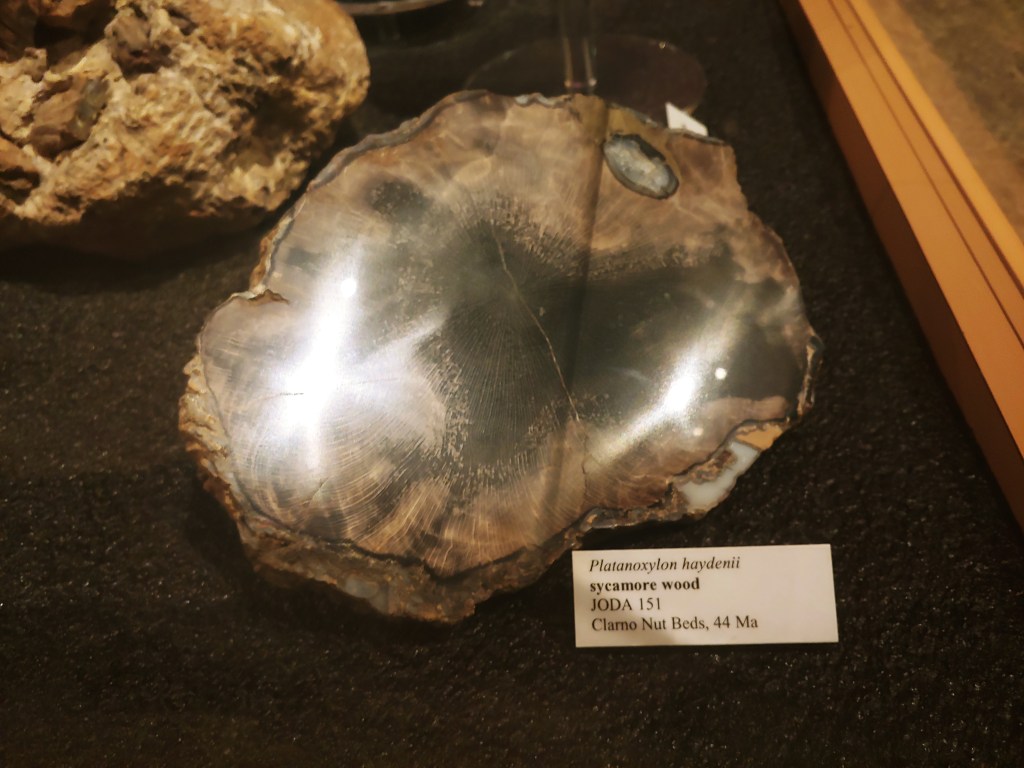
The forest primeval, reconstructed here, left a lot of petrified wood, like this chunk of sycamore …
And Oregon’s state fossil, the Metasequoia, which was later discovered to be alive and well in China.
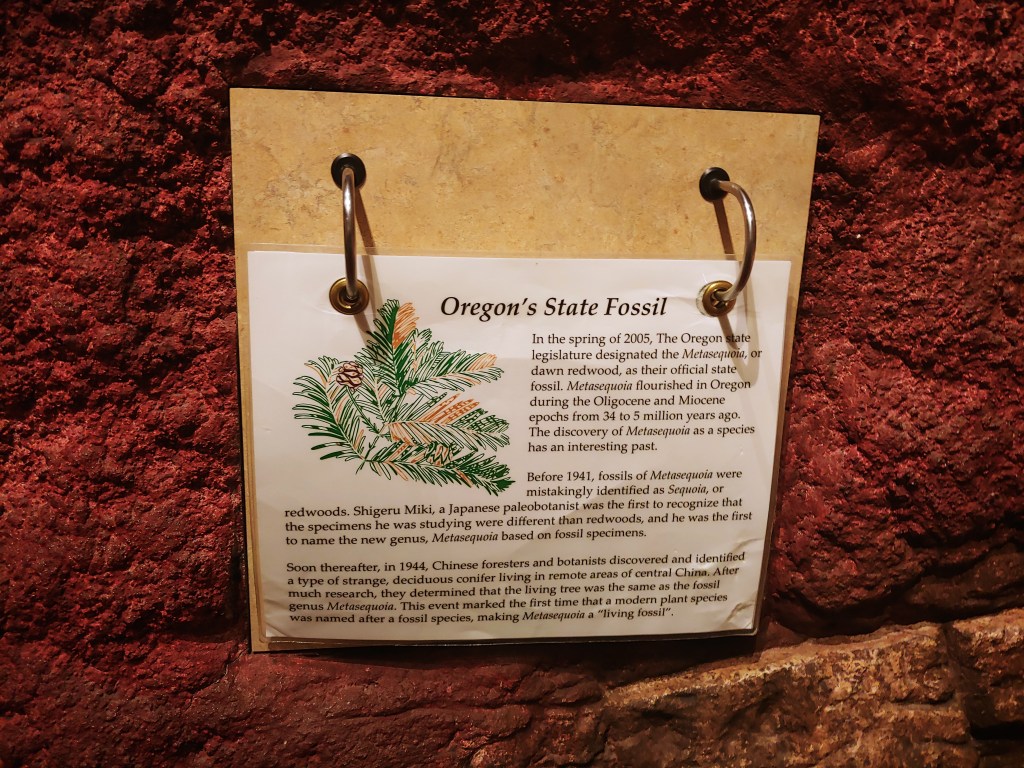
There were also all kinds of interesting and bizarre ancient mammals, such as tiny early horses, giant rodents, and the “bear-dog” (which, as far as I can tell, was basically a wolverine). The crown jewel of the John Day mammal fossils, however, has to be the entelodont.
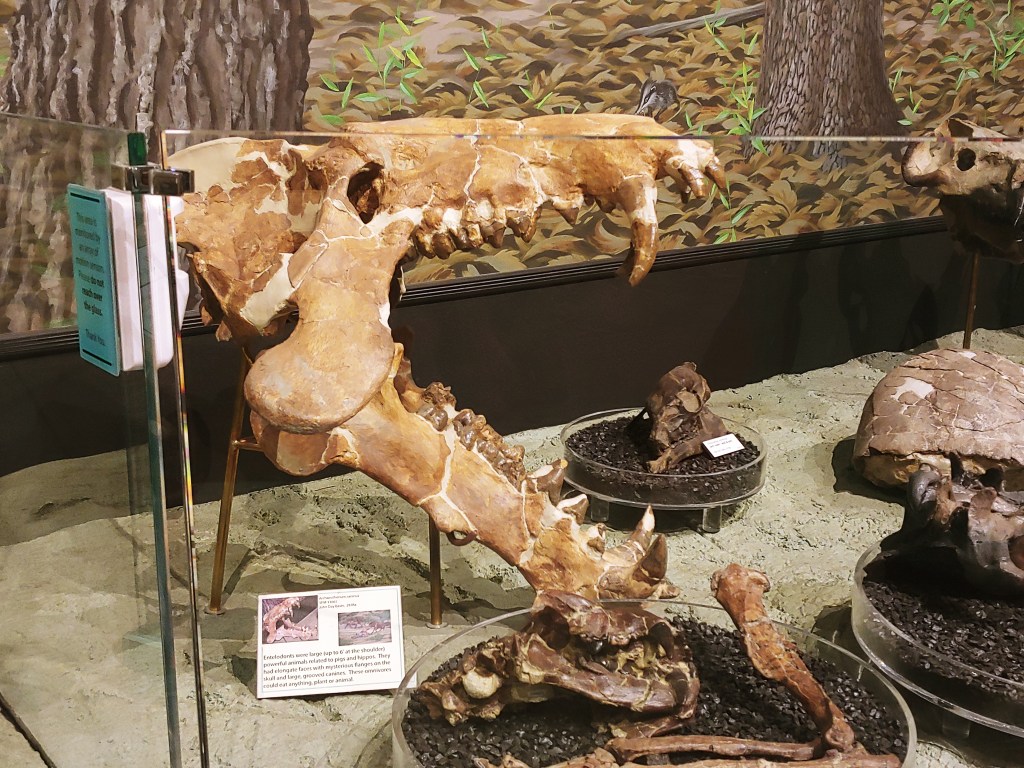
It is described as a carnivorous pig/hippo, six feet high at the shoulder. Not a creature you want to mess with. An artist’s speculative illustration showed one devouring a small triceratops.
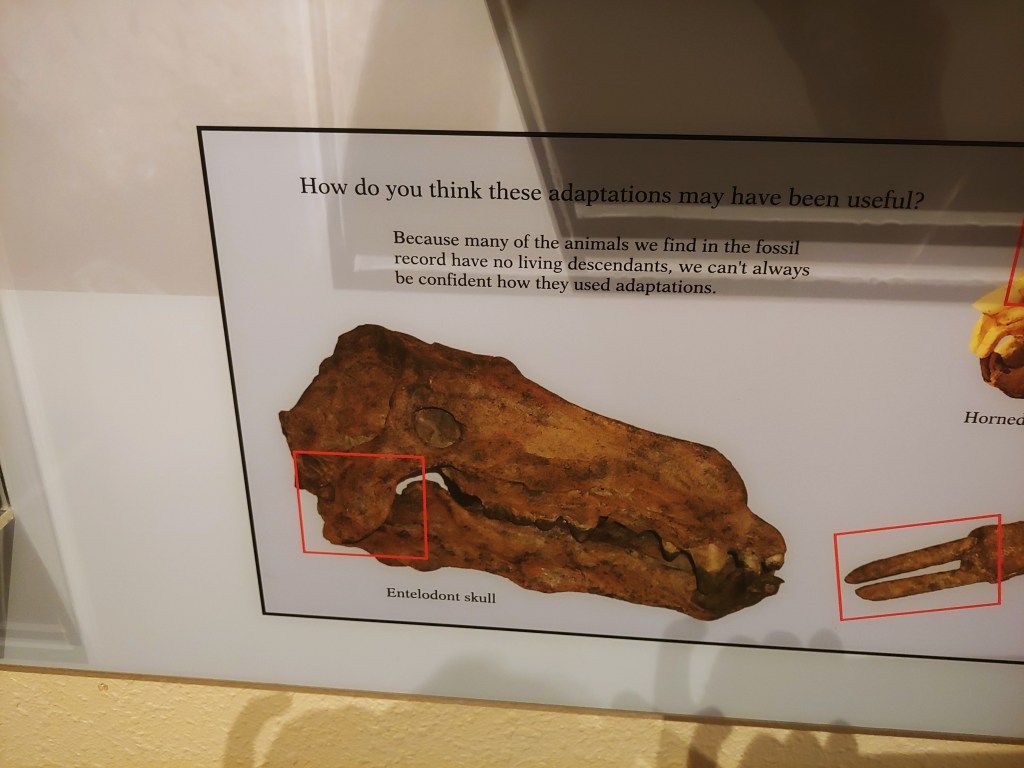
The entelodont is not perfectly understood, however. As this display points out, nobody knows exactly what these strange bone flages on either side of its head were used for. Consequently, I suppose, we also don’t really know what it looked like.
Speaking of puzzling body parts, have you ever heard of a “horned rodent”?
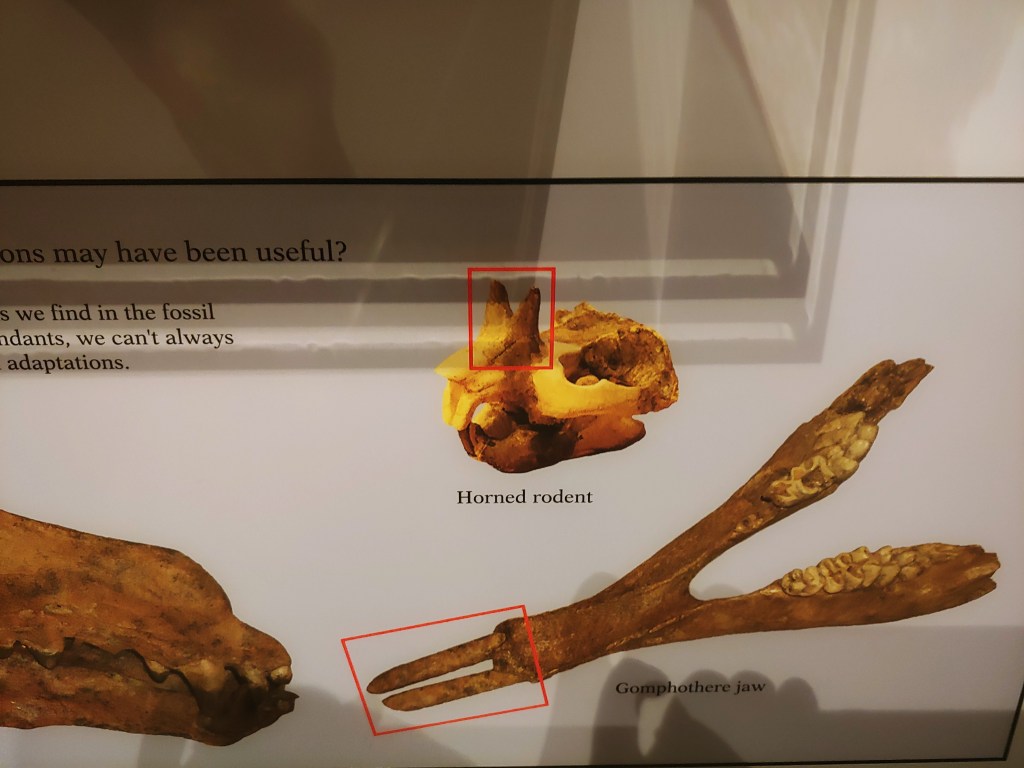
Even the squirrels were scarier back then!

