

A few hours’ drive from my house, in the mountains of southern Idaho, we have a hot springs attraction. The pools are tucked into a niche between the town on one side and the highway on the other.

The photograph above was taken from the east end of the little canyon. Behind me, as I took this photograph, was something called “The Grotto.” It consists of paths and small garden areas winding along the lava-rock hillside. The rocks are basalt, but covered with mineral deposits from the days when the springs gushed out over here.
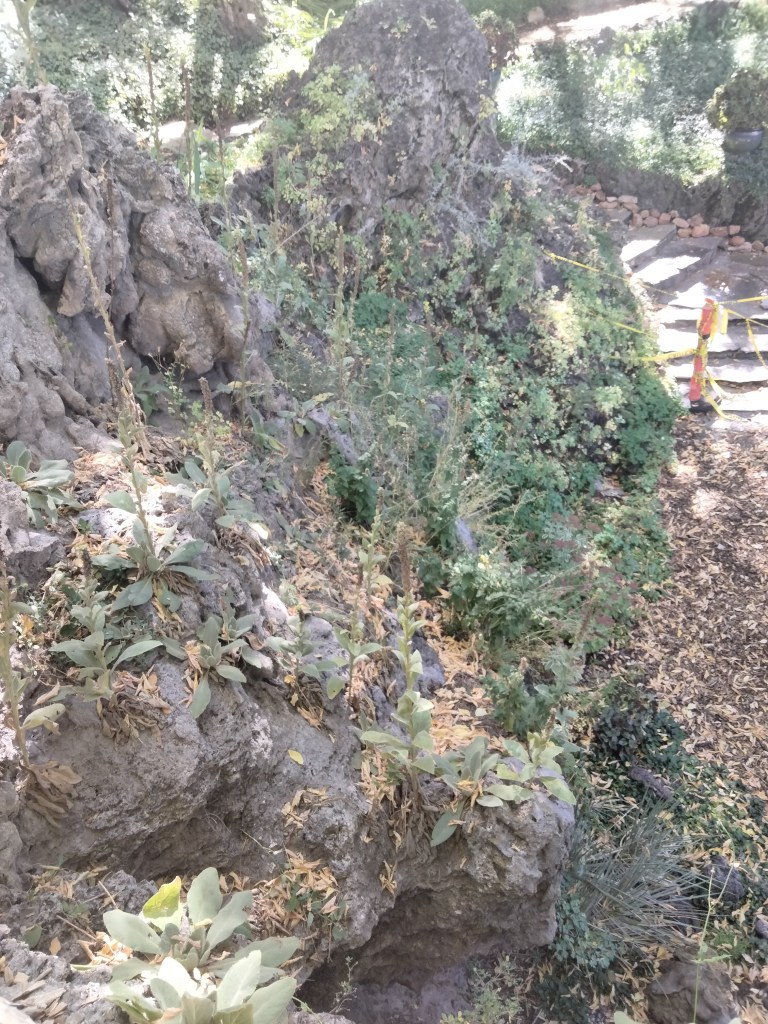
My husband and I went to the town of Lava, which is very touristy and has a lot of old-timey, cowboy-themed restos and hotels, back in September. I had never walked in The Grotto before. (Usually, I’m just either going in the hot springs or not going in the hot springs.)
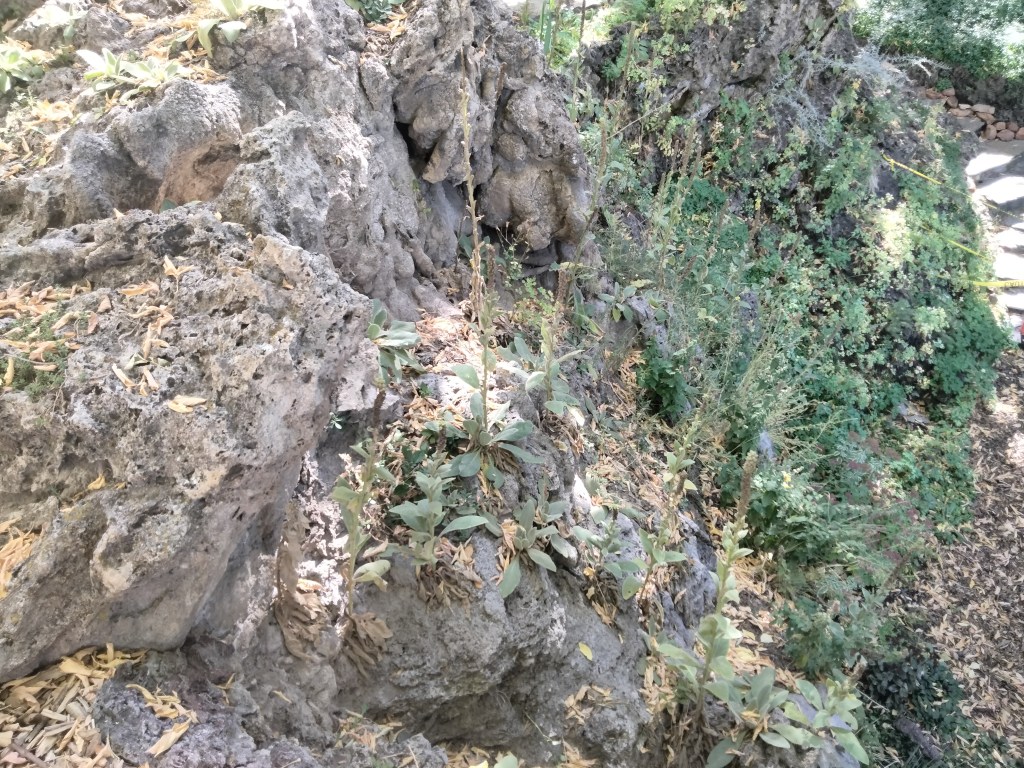
But on this particular September, The Grotto was simply alive with the most Wooly Mullein I had ever seen in one place! Wooly Mullein are those plants you see with broad, pale-green, pillowy-looking basal leaves and (in some cases, not all) a tall spike of a flower.

I blogged about these plants a few years ago, when I had photographed one growing in a farmer’s field near my house. According to Central Rocky Mountain Wildflowers, “They are biennial plants, growing the first year as a round cluster of large radiating basal leaves covered with thick, woolly hair. The second year, they rapidly grow a 1 – 6′ tall stalk, crowded with yellow flowers in a spike arrangement. Then, with all its energy expended, the plant dies.” (p. 157)

“This introduced weed colonizes disturbed places from the valleys and plains to montane forests.” (ibid) Look at how many of them there are! They must love the dry climate.

But Wooly Mullein is not just a weed. “Dioscorides, the Greek physician to the Roman armies in the first century, used mullein to treat coughs, scorpion stings, eye problems, tonsillitis, and toothache. Today, herbalists value it as a medicinal herb for asthma, bronchitis, coughs, throat inflammation, earache, and various other respiratory complaints.” (ibid) My copy of Prepper’s Natural Medicine confirms this.
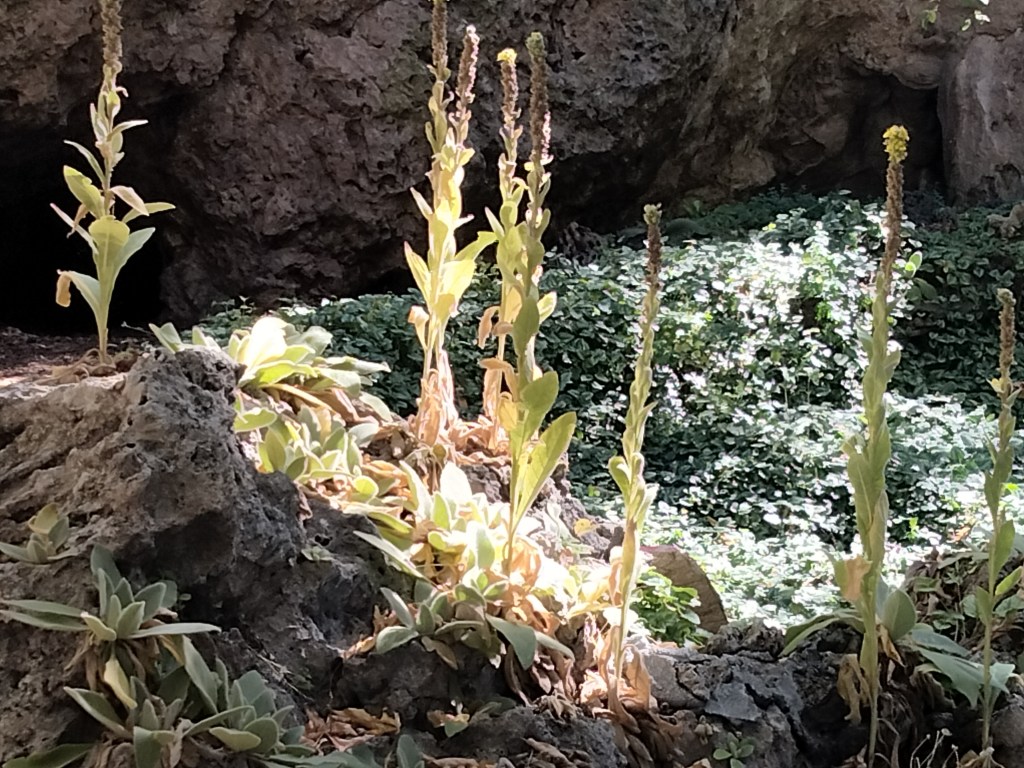
Hence, Lava is really the place to come if you’re ill in apocalypse situation! The Shoshoni Indians would bathe in and drink the hot-spring water to cure illnesses, plus there is all this mullein here. Still, it might be better to plan ahead.
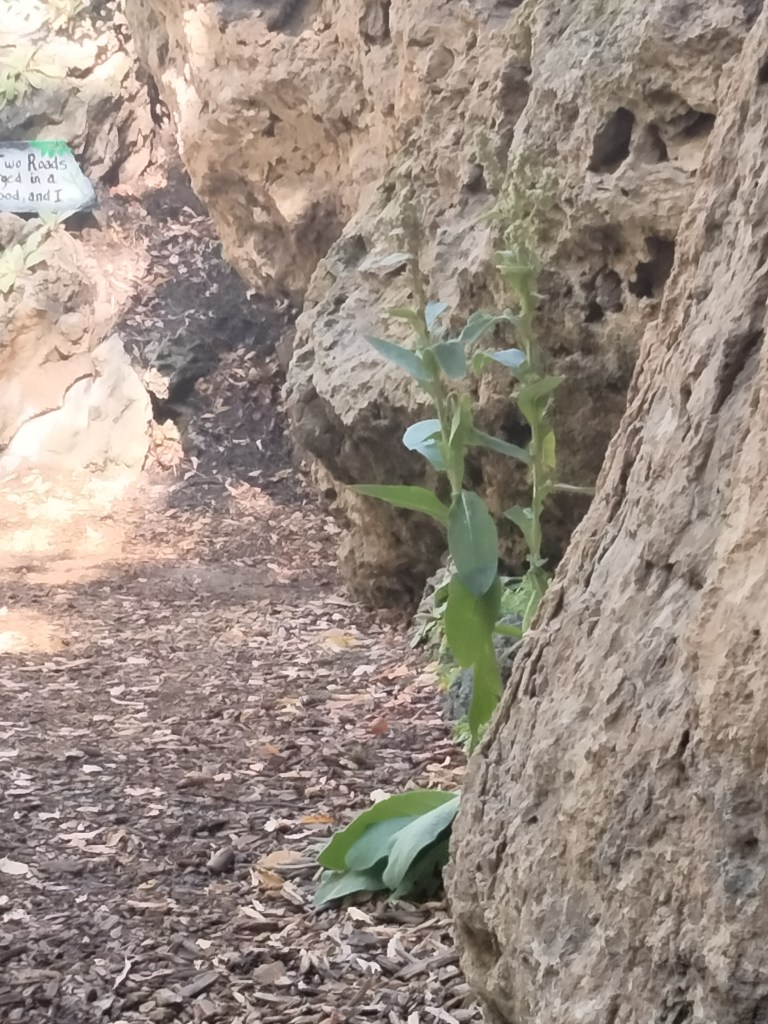
I walked down this path and sat on a bench set into the rock wall. Lo and behold, up in a niche was Spiderman watching over me! Lava truly does have everything you might need!

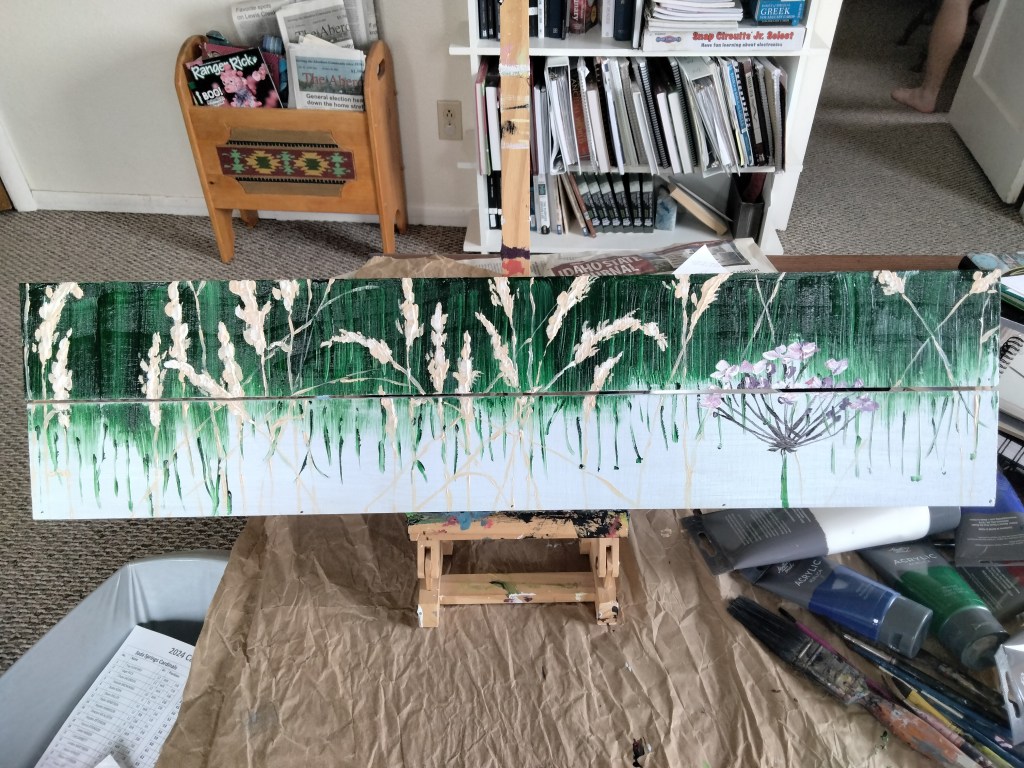
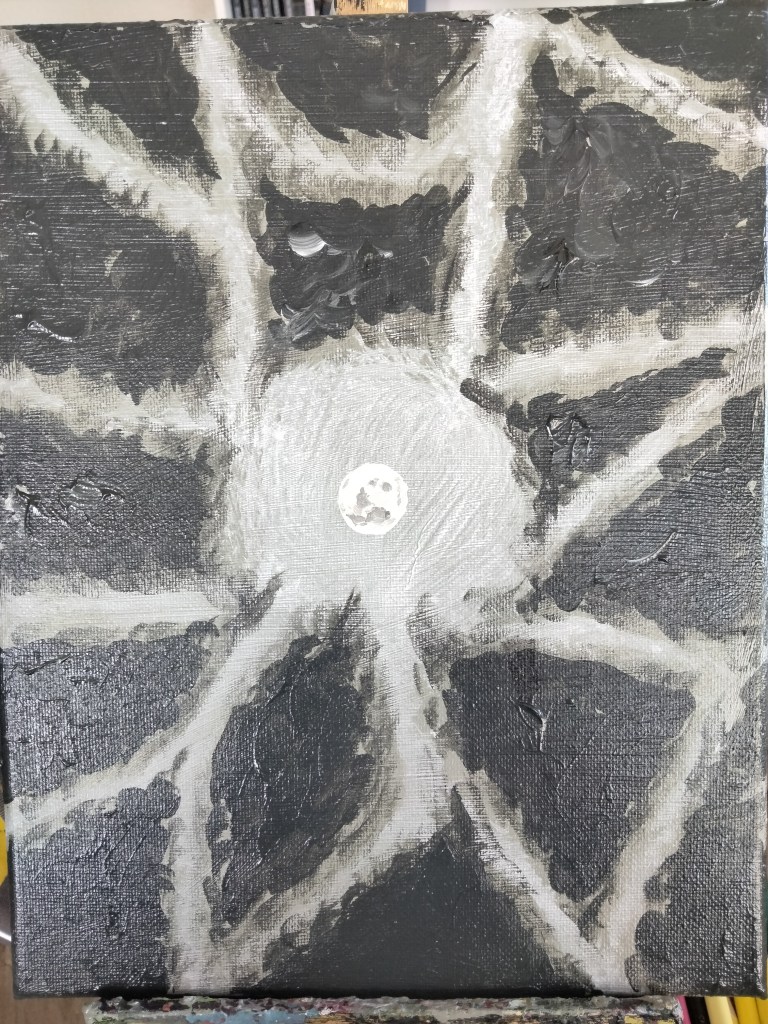
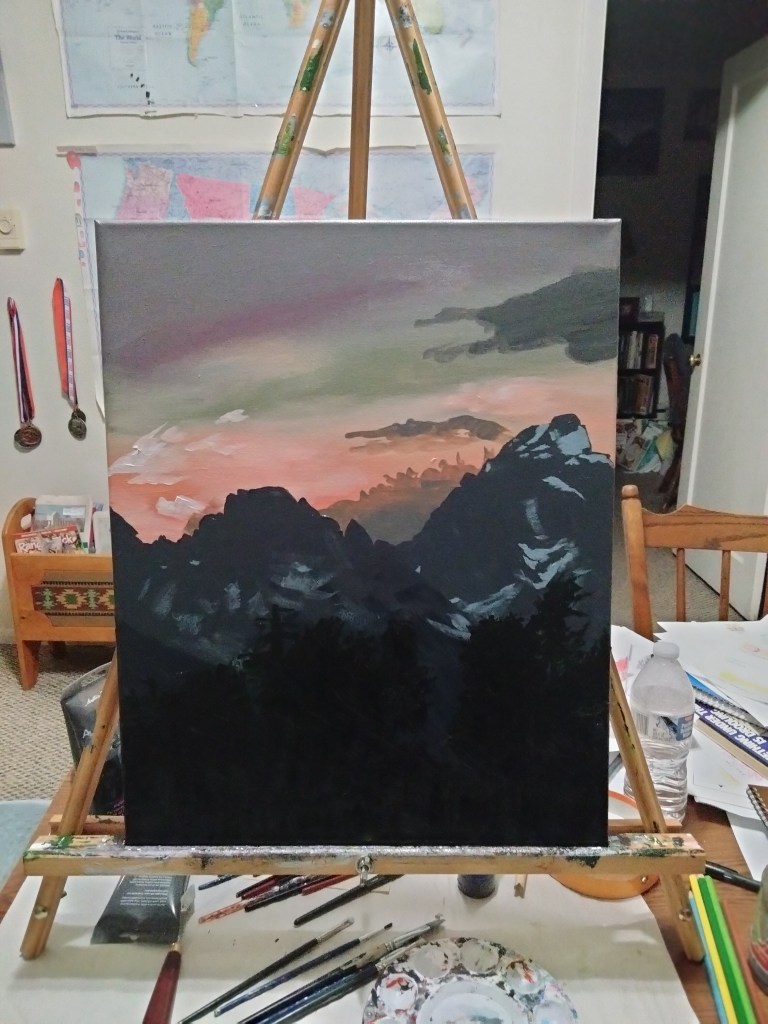
This is, obviously, a picture left over from my Summer 2024 period.
It’s not for sale, unfortunately. I already know who I’m going to give it to.

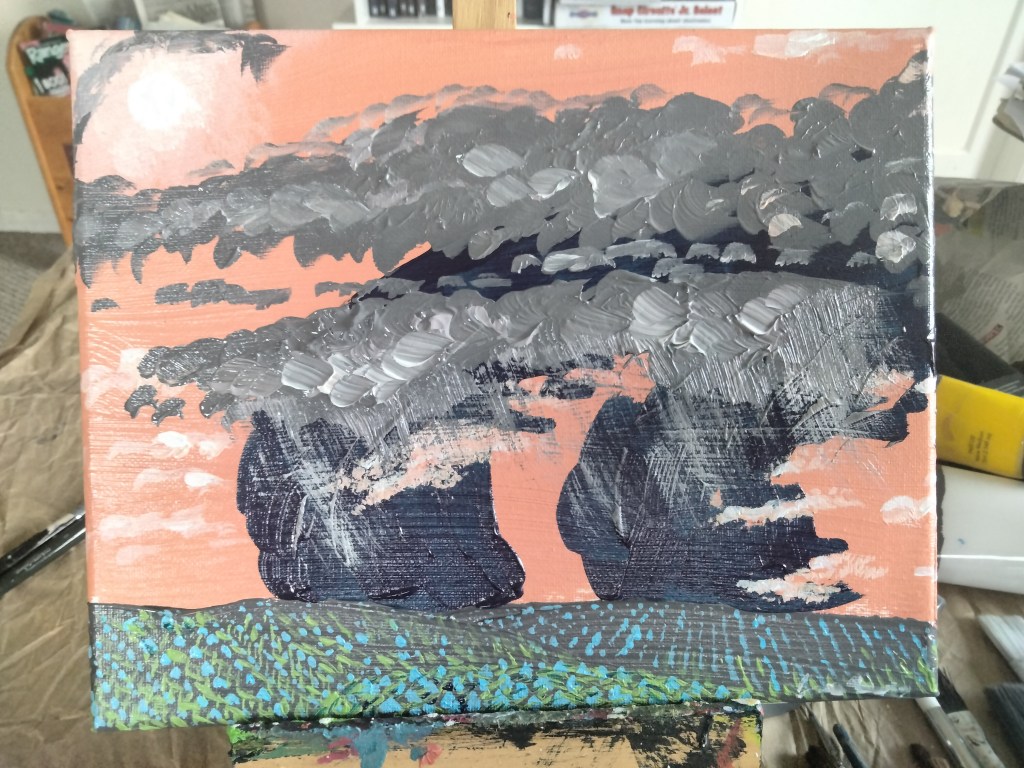
I’m continuing with the “quantity over quality” approach. This is partly inspired by an artist whose work I found on Pinterest, often with the tag “a sunset a day.” He does lovely impressionistic cloud paintings. However, I think he may be putting more time into them than I am.
What I do is, notice the sky around 3 or 4 p.m. when I’m driving myself and my offspring home from school across the windswept Idaho plains, take a mental picture, and do my best to reproduce that mental picture over the next few days.
Both of these are 8×10.
The one on the top is cornfields; the one on the bottom features fields that have been harvested, then harrowed, then planted with something green again before the winter.
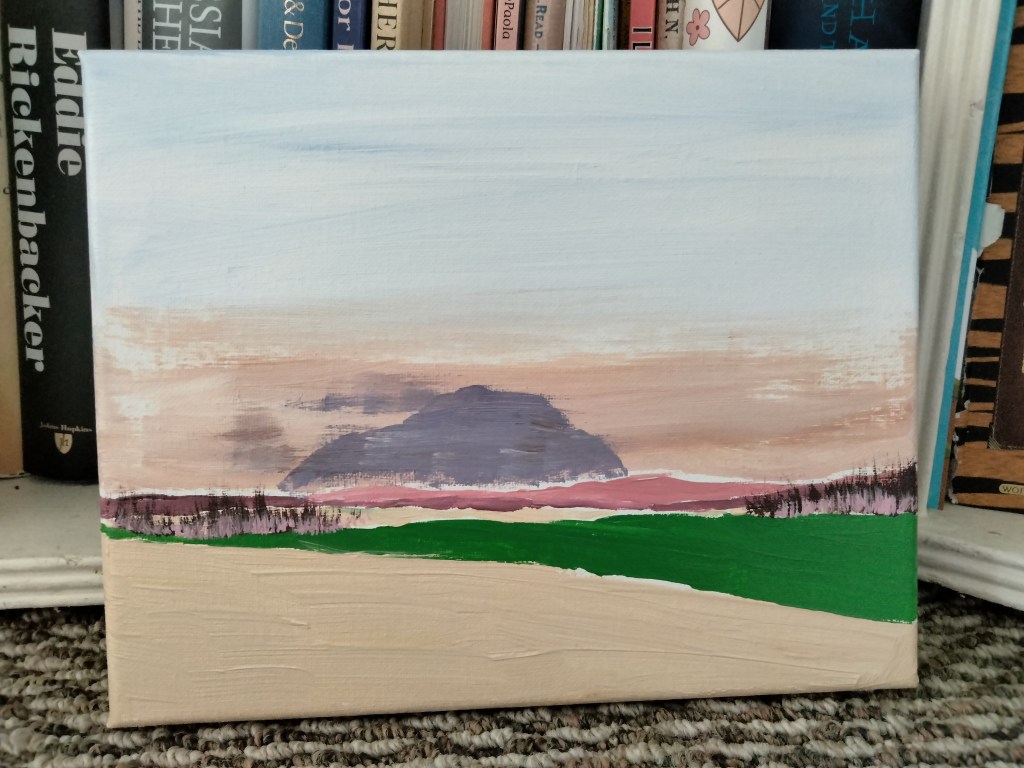
Another 8×10: Big Southern Butte in a dirty sky.
Done from a photo.
I was there, I took the photo, then I came home and did the painting.
Zach arrived on schedule. He stood about six foot two, lean and wiry from triathlon training and mixed martial arts, thirty-five years of age, bearded and chewing tobacco. After losing his bid for mayor’s office, he’d taken up fighting for money, a common enough career path.
The Whisper on the Night Wind, by Adam Shoalts, p. 17
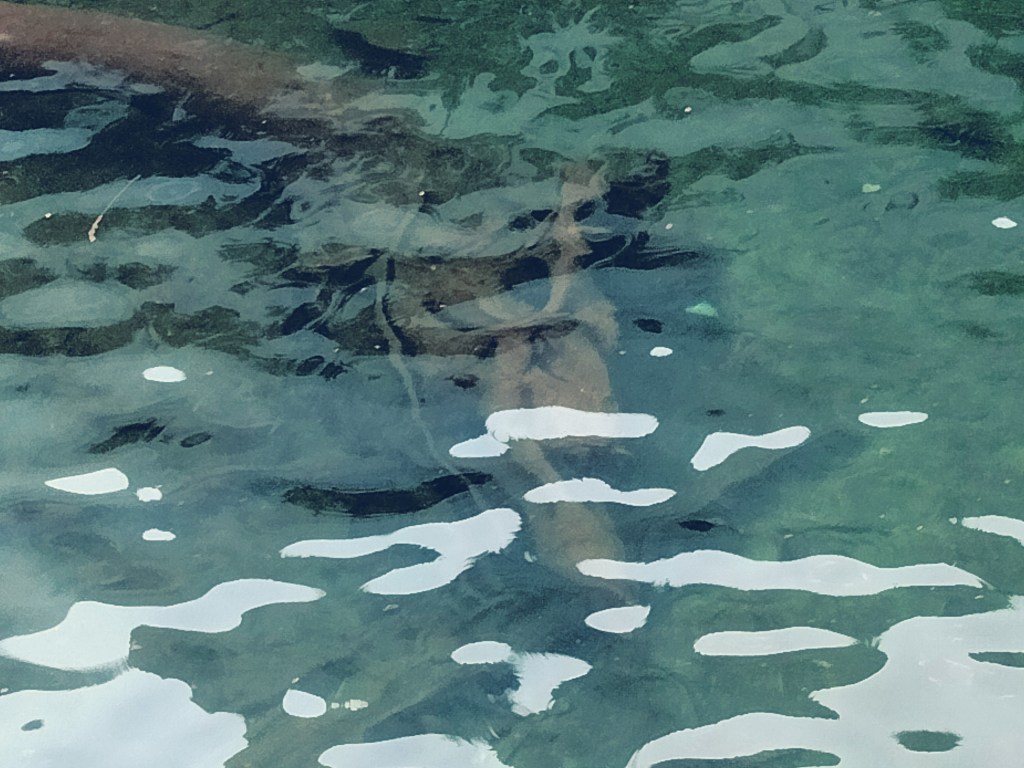
The inspiration: Logs and rocks visible under water at Jenny Lake.
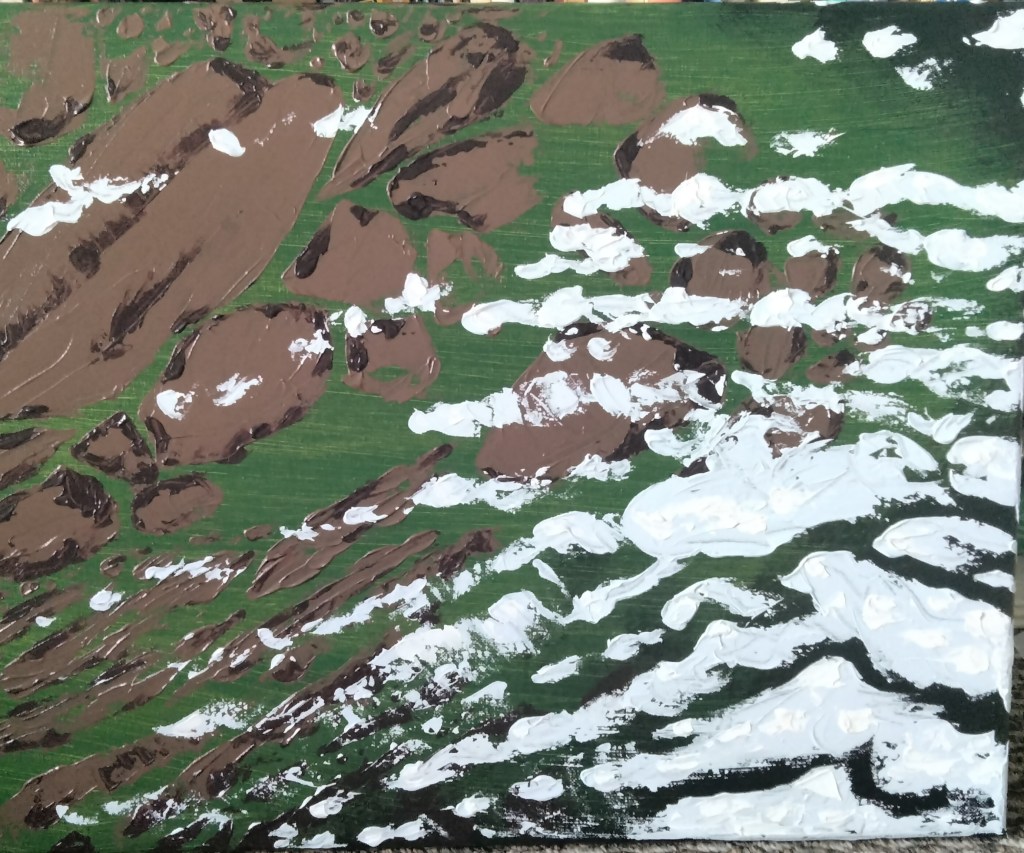
The execution: The first painting I’ve ever done entirely with a pallette knife.
Yes, yes. Underwhelming, I know. I have so many ideas and limited time, so I have decided to go the route of prodigious quantity over quality, based on the theory that if you churn out enough quantity, your quality will also improve eventually. Actually, I have seen this principle operate in my son’s paintings. However, in this case the quality is more potential than realized.
I have seen amazing, photorealistic paintings of pebbles under shallow water by professional Western artists. I’d love to return to that theme some day, when I have weeks or months to spend on it, and do a better job. Bucket list.
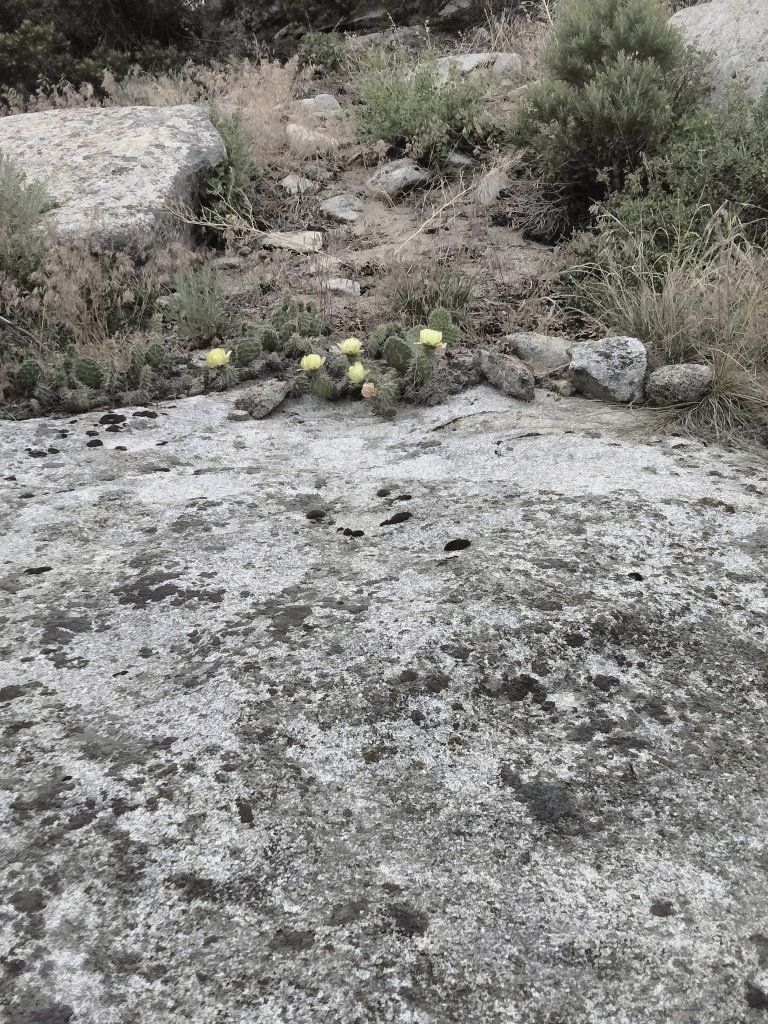


I know I’ve blogged about these plants before, but please enjoy these pictures of them as seen at Citadel of Rocks.
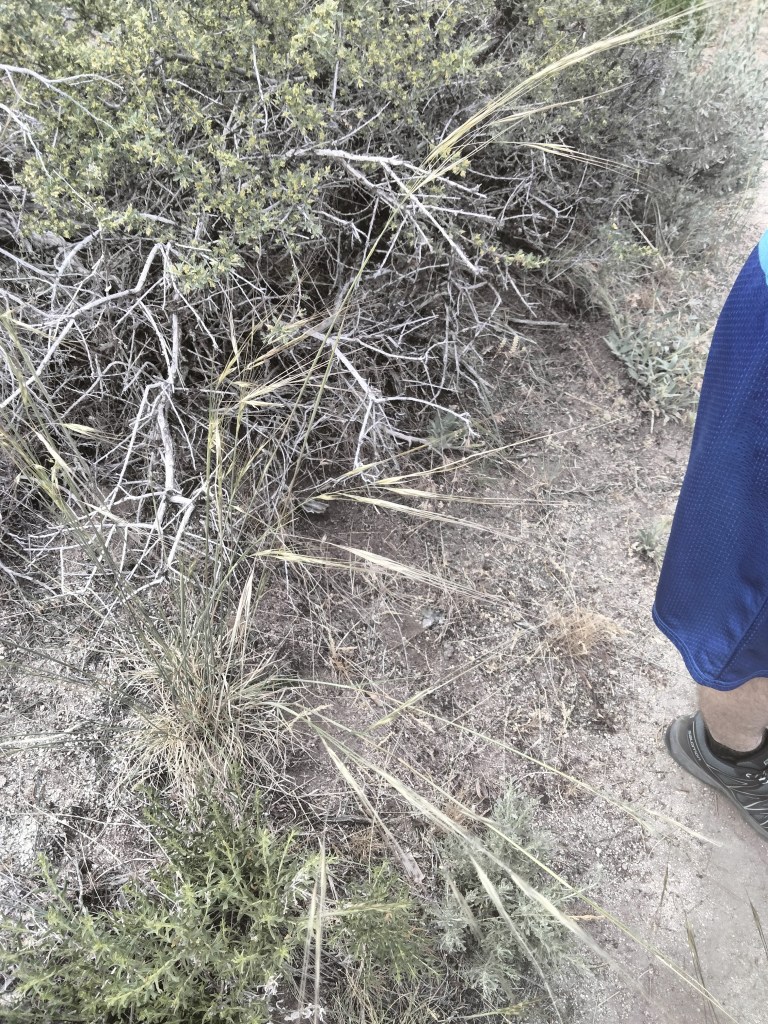
I did not need to look this up in my Falcon Guide to Central Rocky Mountain Wildflowers. Husband identified it, and kids immediately started throwing it at each other.

I first assumed this was a yucca, but the leaves are all wrong.
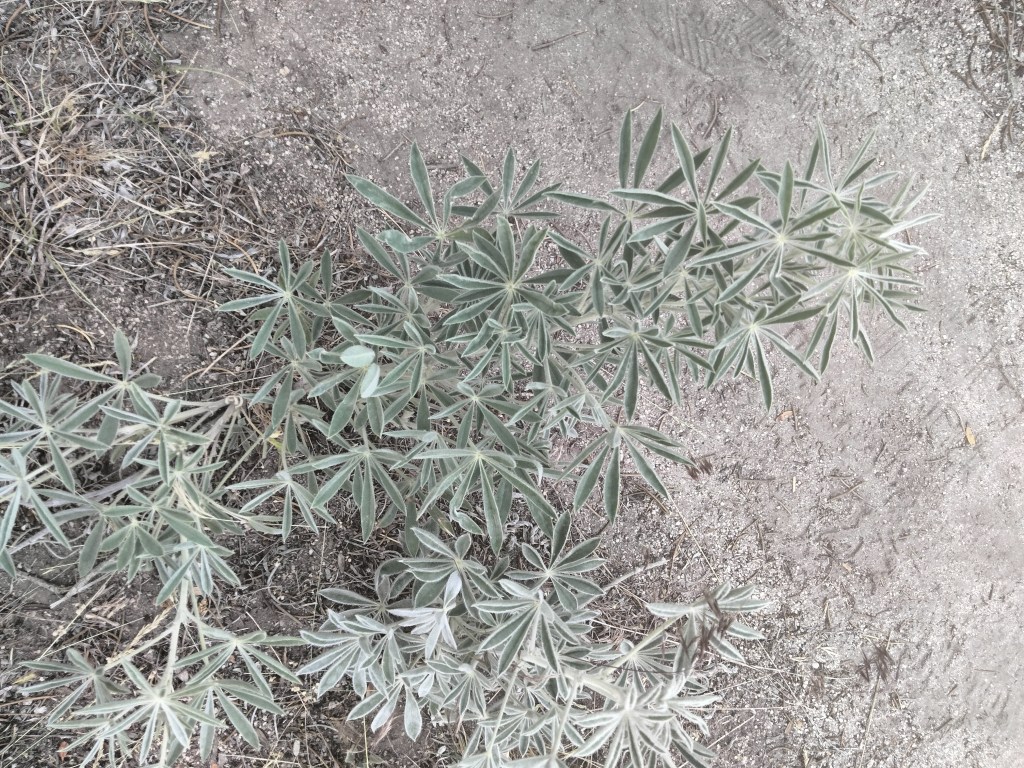
I looked up these leaves with the help of the Google machine, and it suggested Silvery Lupine.

Sure enough, here’s a more typical-looking example of the flower from the same trip.
I can only conclude that the freakishly tall and white silvery lupine is an unholy hybrid of lupine and yucca.
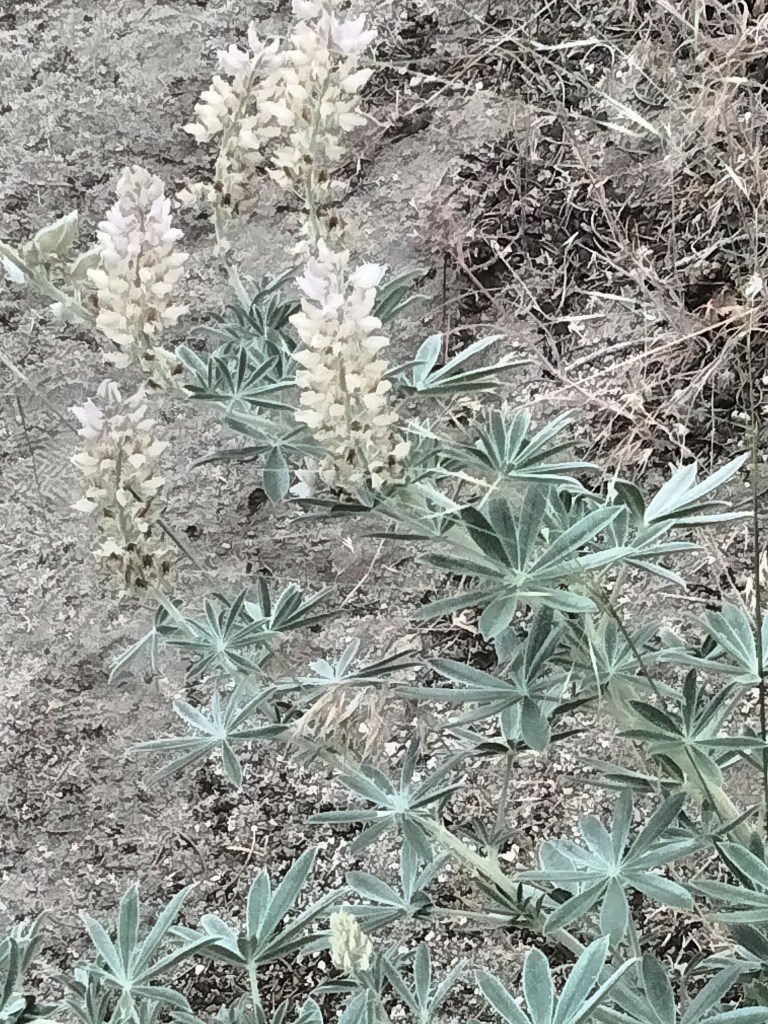
Here’s an in-between-looking specimen.
Botany is hard.
 Out of Babel Books