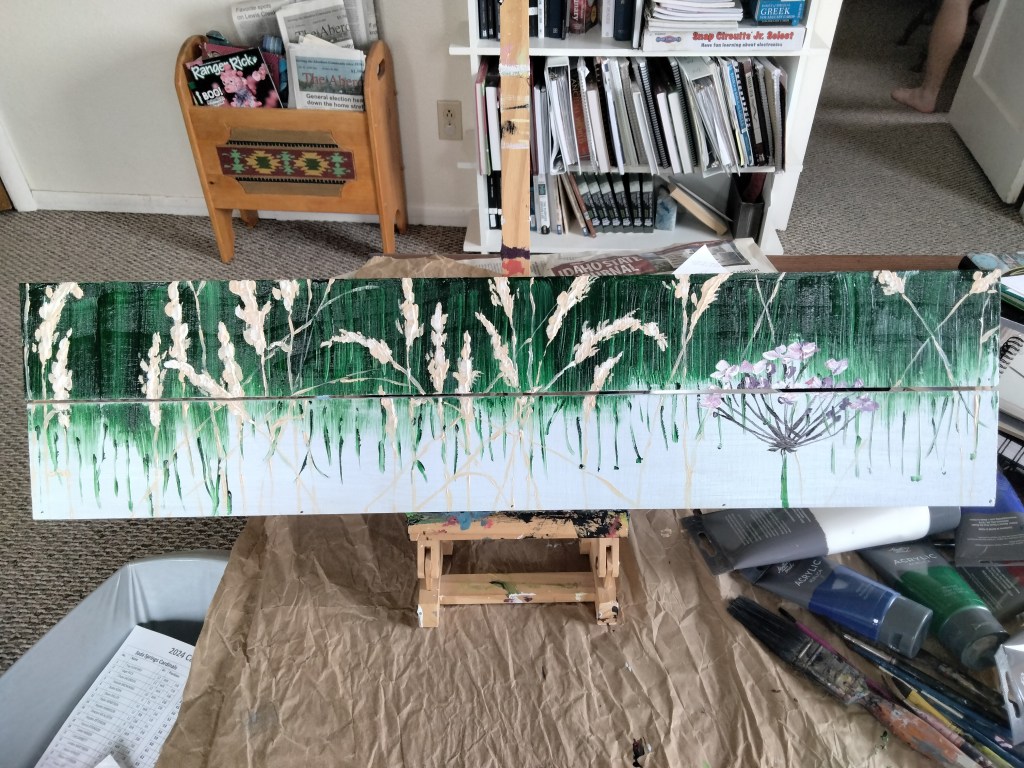
This is, obviously, a picture left over from my Summer 2024 period.
It’s not for sale, unfortunately. I already know who I’m going to give it to.

This is, obviously, a picture left over from my Summer 2024 period.
It’s not for sale, unfortunately. I already know who I’m going to give it to.

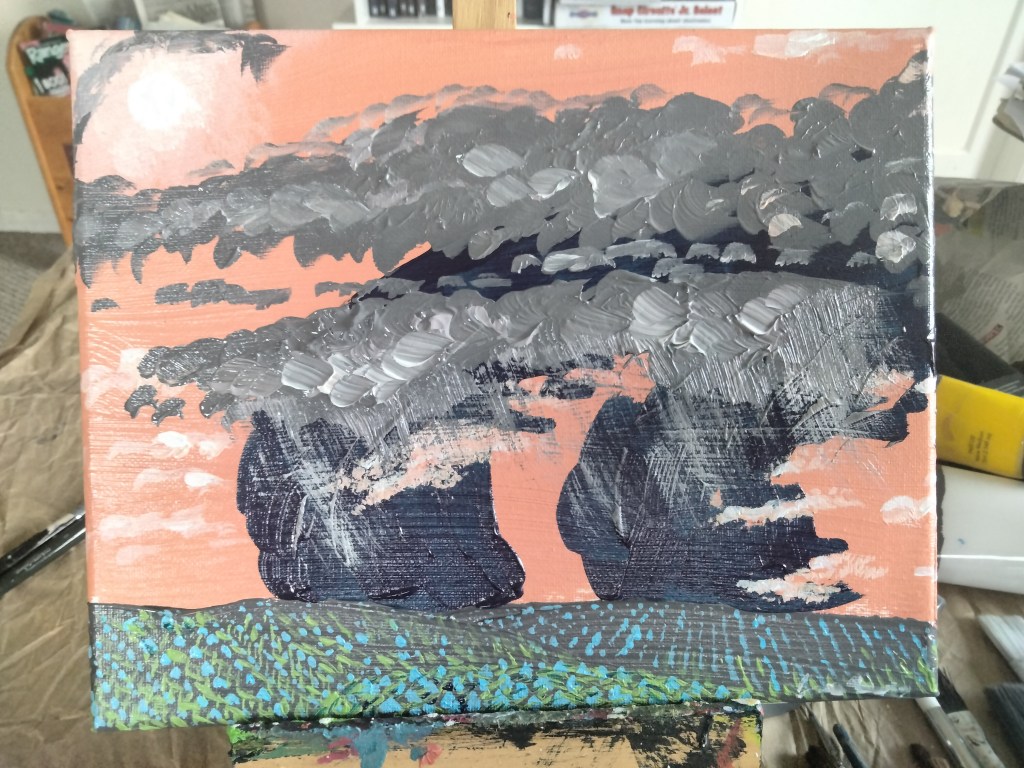
I’m continuing with the “quantity over quality” approach. This is partly inspired by an artist whose work I found on Pinterest, often with the tag “a sunset a day.” He does lovely impressionistic cloud paintings. However, I think he may be putting more time into them than I am.
What I do is, notice the sky around 3 or 4 p.m. when I’m driving myself and my offspring home from school across the windswept Idaho plains, take a mental picture, and do my best to reproduce that mental picture over the next few days.
Both of these are 8×10.
The one on the top is cornfields; the one on the bottom features fields that have been harvested, then harrowed, then planted with something green again before the winter.
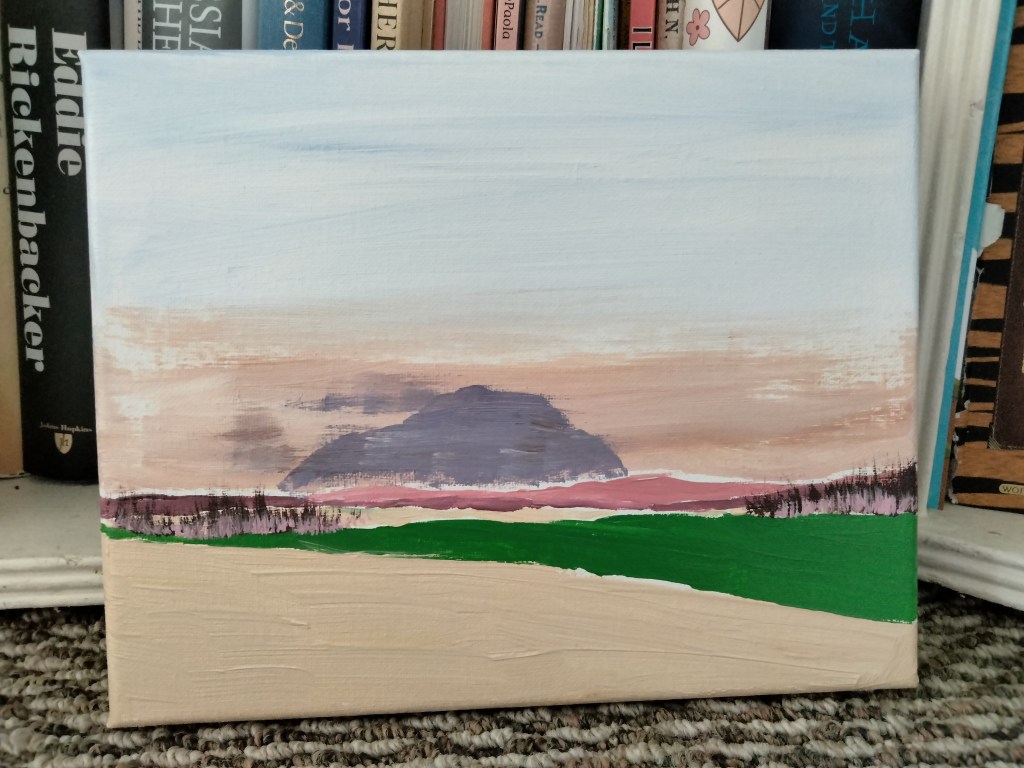
Another 8×10: Big Southern Butte in a dirty sky.
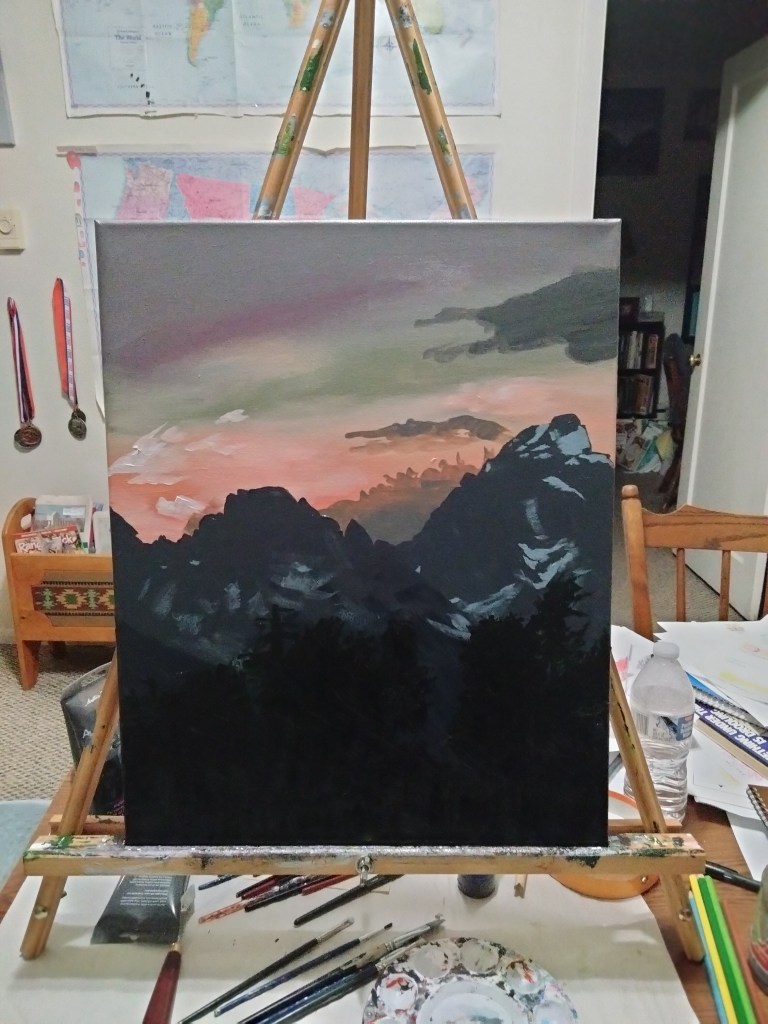
Done from a photo.
I was there, I took the photo, then I came home and did the painting.
Zach arrived on schedule. He stood about six foot two, lean and wiry from triathlon training and mixed martial arts, thirty-five years of age, bearded and chewing tobacco. After losing his bid for mayor’s office, he’d taken up fighting for money, a common enough career path.
The Whisper on the Night Wind, by Adam Shoalts, p. 17
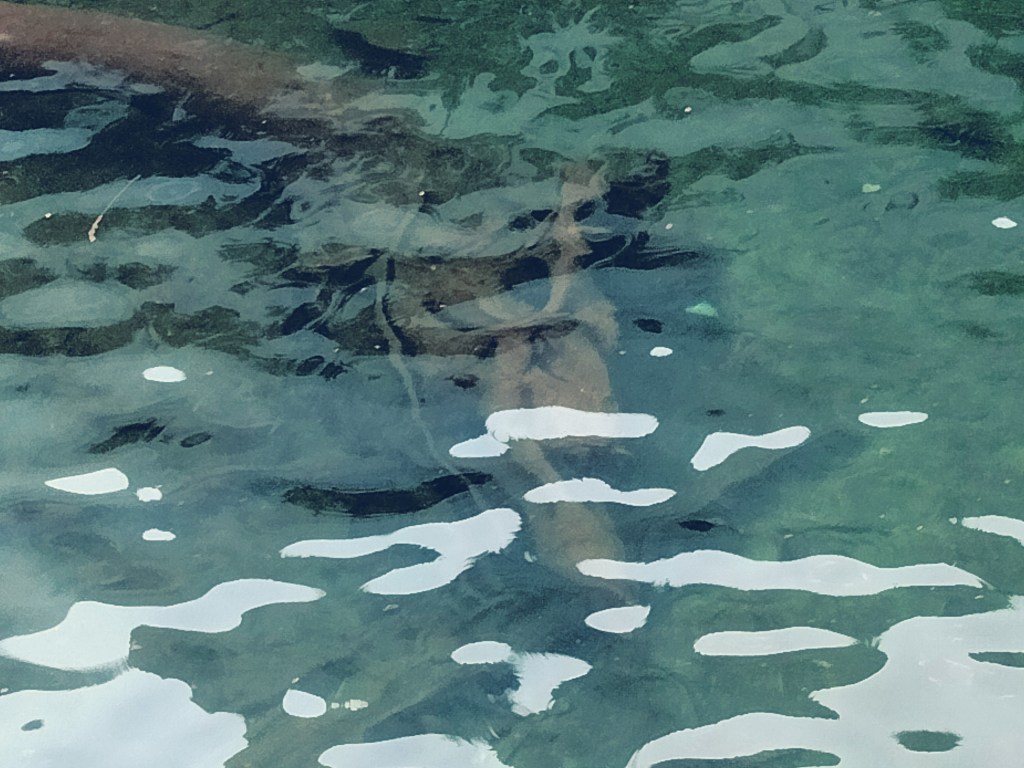
The inspiration: Logs and rocks visible under water at Jenny Lake.
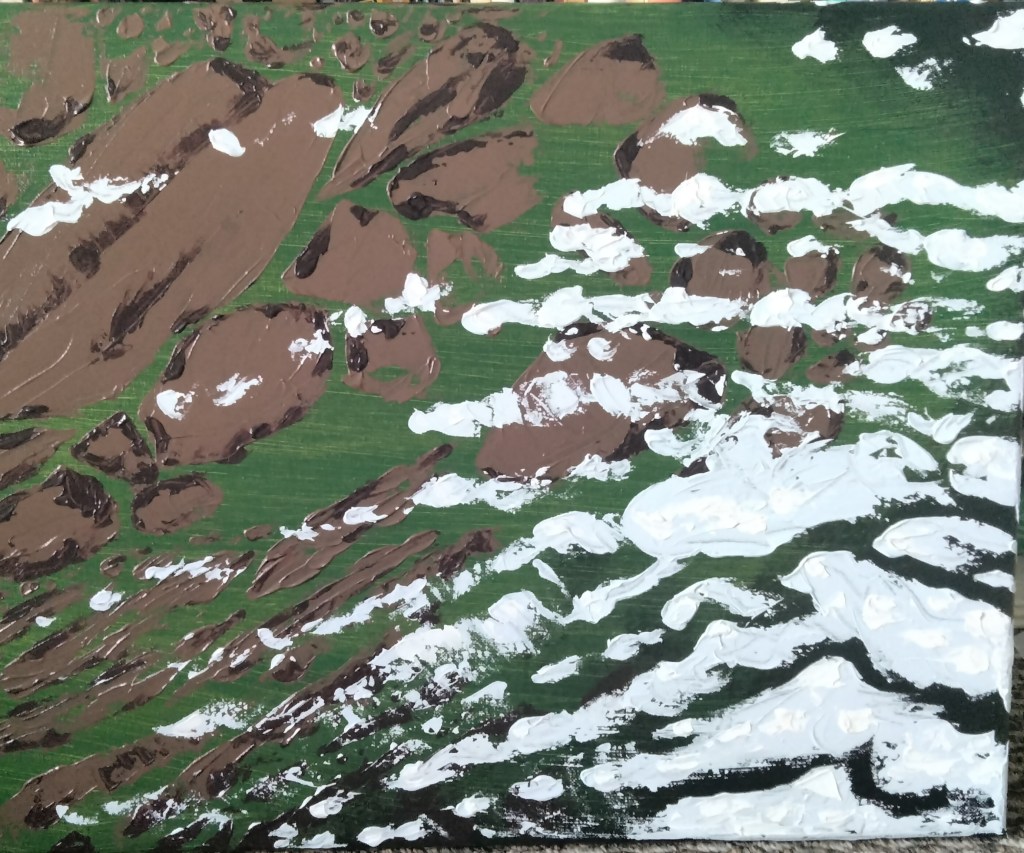
The execution: The first painting I’ve ever done entirely with a pallette knife.
Yes, yes. Underwhelming, I know. I have so many ideas and limited time, so I have decided to go the route of prodigious quantity over quality, based on the theory that if you churn out enough quantity, your quality will also improve eventually. Actually, I have seen this principle operate in my son’s paintings. However, in this case the quality is more potential than realized.
I have seen amazing, photorealistic paintings of pebbles under shallow water by professional Western artists. I’d love to return to that theme some day, when I have weeks or months to spend on it, and do a better job. Bucket list.
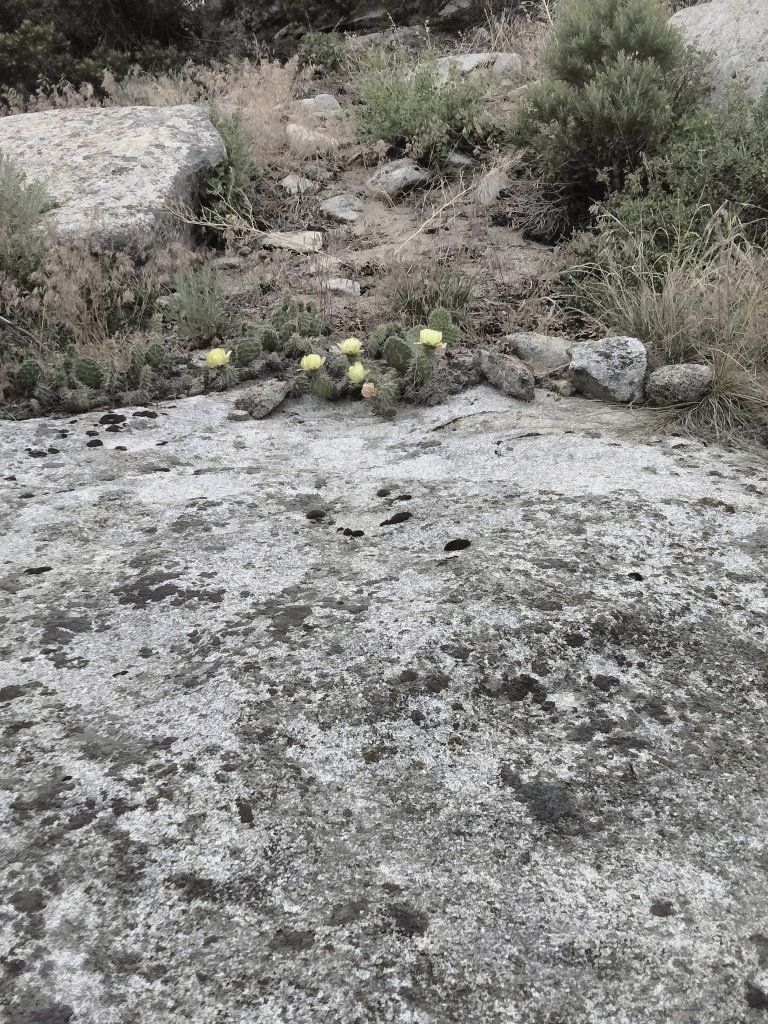


I know I’ve blogged about these plants before, but please enjoy these pictures of them as seen at Citadel of Rocks.
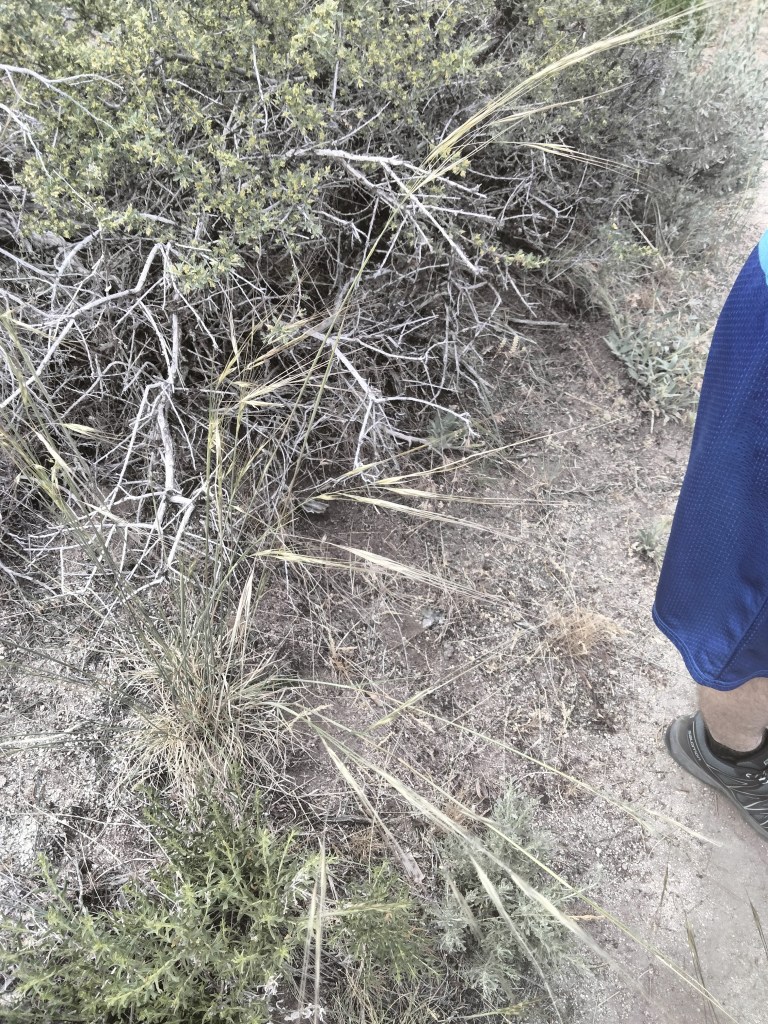
I did not need to look this up in my Falcon Guide to Central Rocky Mountain Wildflowers. Husband identified it, and kids immediately started throwing it at each other.

I first assumed this was a yucca, but the leaves are all wrong.
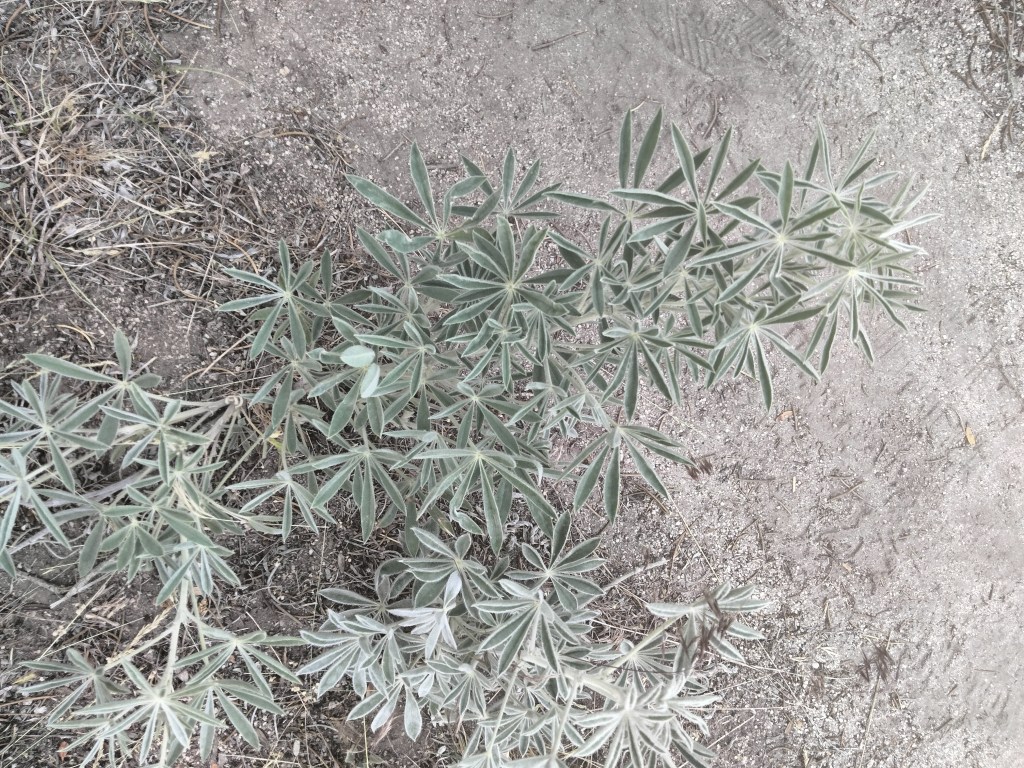
I looked up these leaves with the help of the Google machine, and it suggested Silvery Lupine.

Sure enough, here’s a more typical-looking example of the flower from the same trip.
I can only conclude that the freakishly tall and white silvery lupine is an unholy hybrid of lupine and yucca.
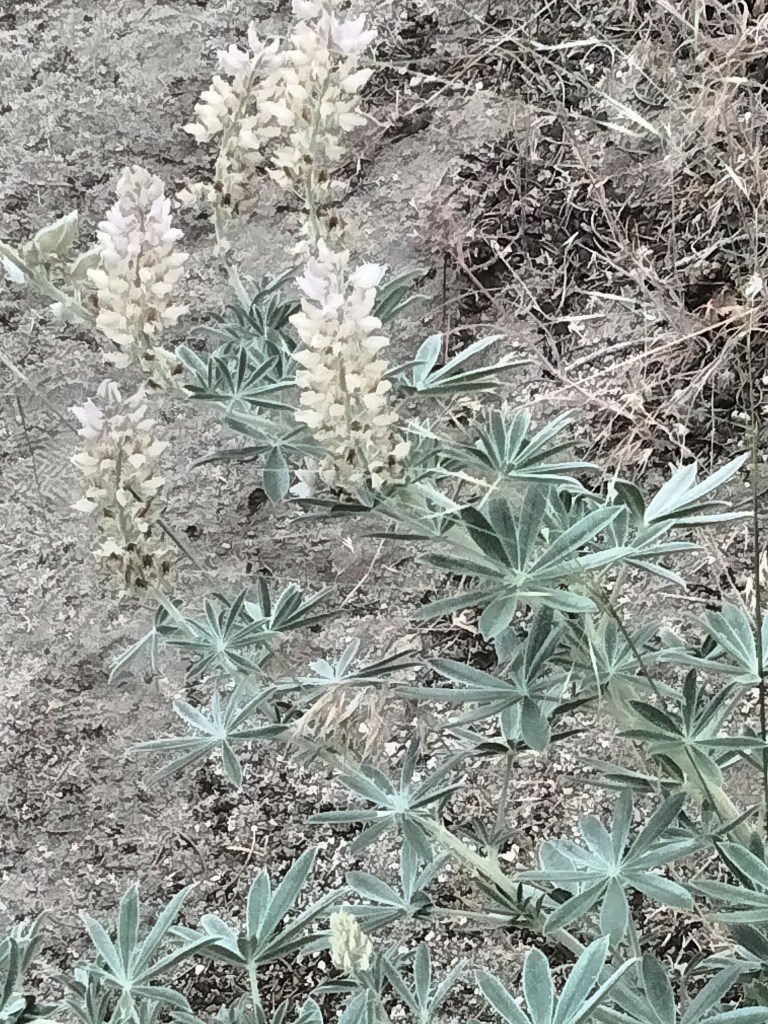
Here’s an in-between-looking specimen.
Botany is hard.

“The bright yellow flowers give way to a grapelike cluster of purple berries with whitish coating. In the fall, some of the leaves often turn bright red, orange, or bronze.
“The tart berries make a refreshing, lemonade-like drink and fine jelly or wine. The yellow inner bark was used by Native Americans as a yellow dye and as a medicine with many applications.”
(Falcon Guide, p. 121)

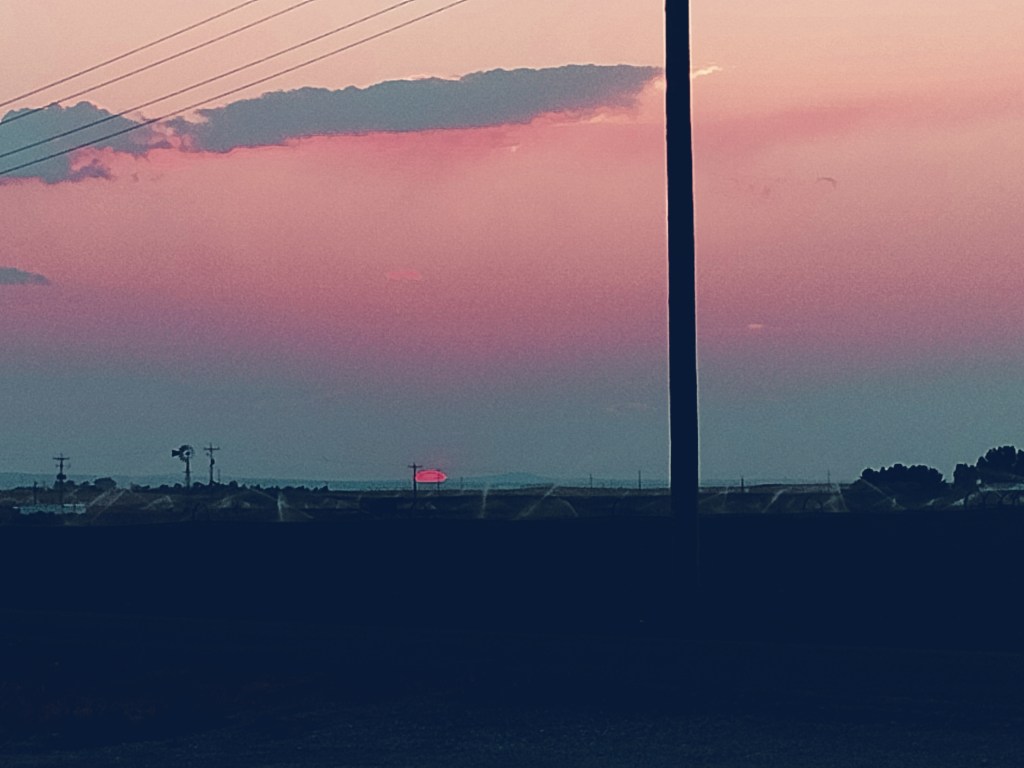
As of the taking of these pictures.

