

Tag: botany
“Nevertheless, She Persisted”: Botanical Version
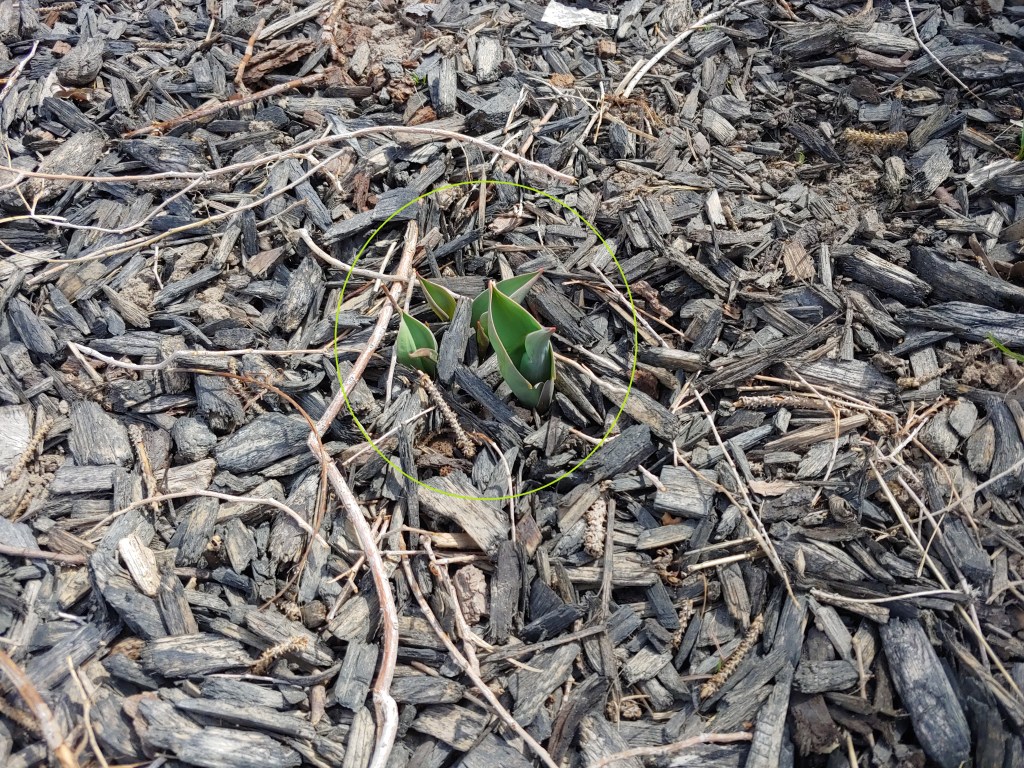
At first it was …
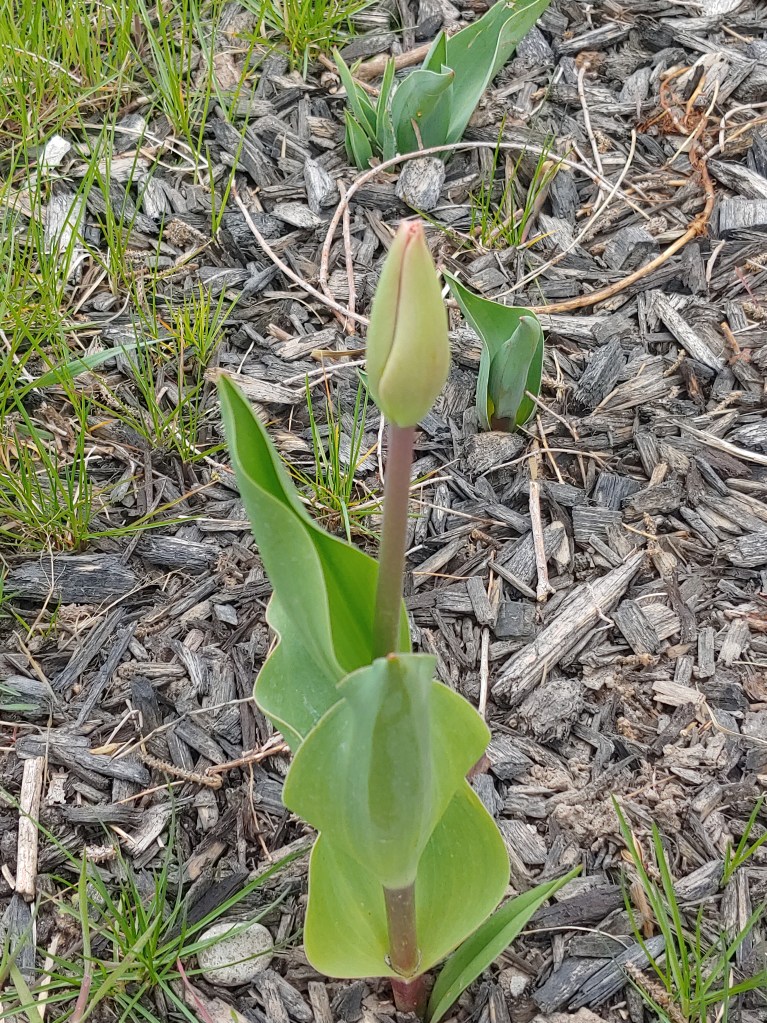
But then …
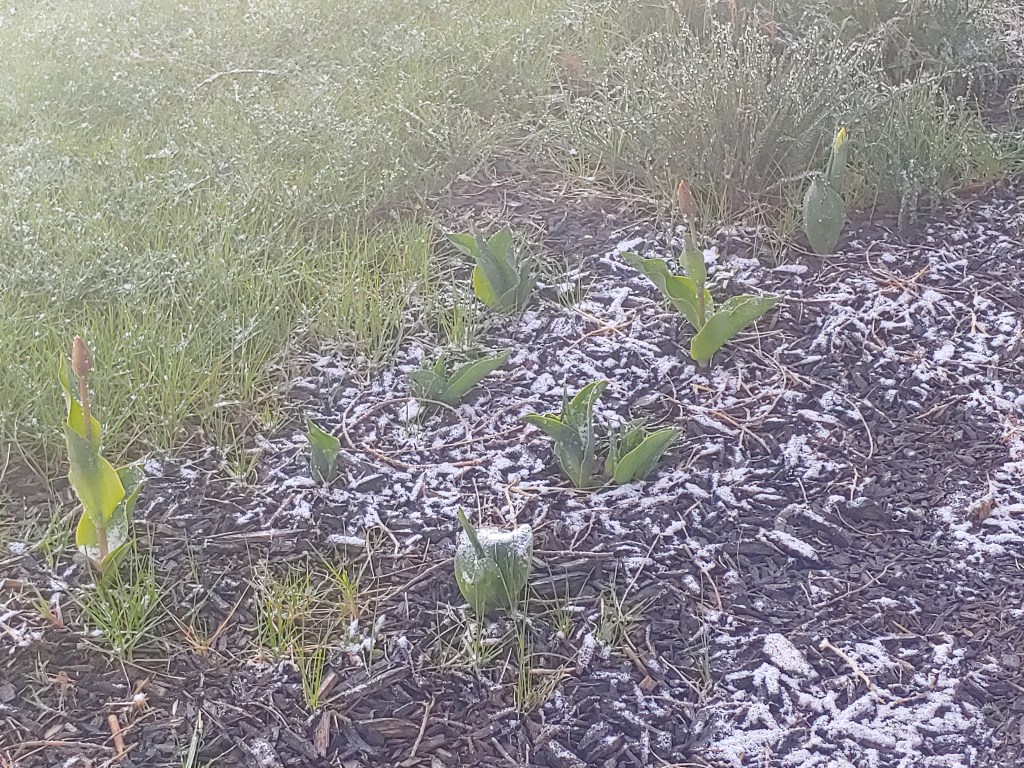
And also …

But finally …
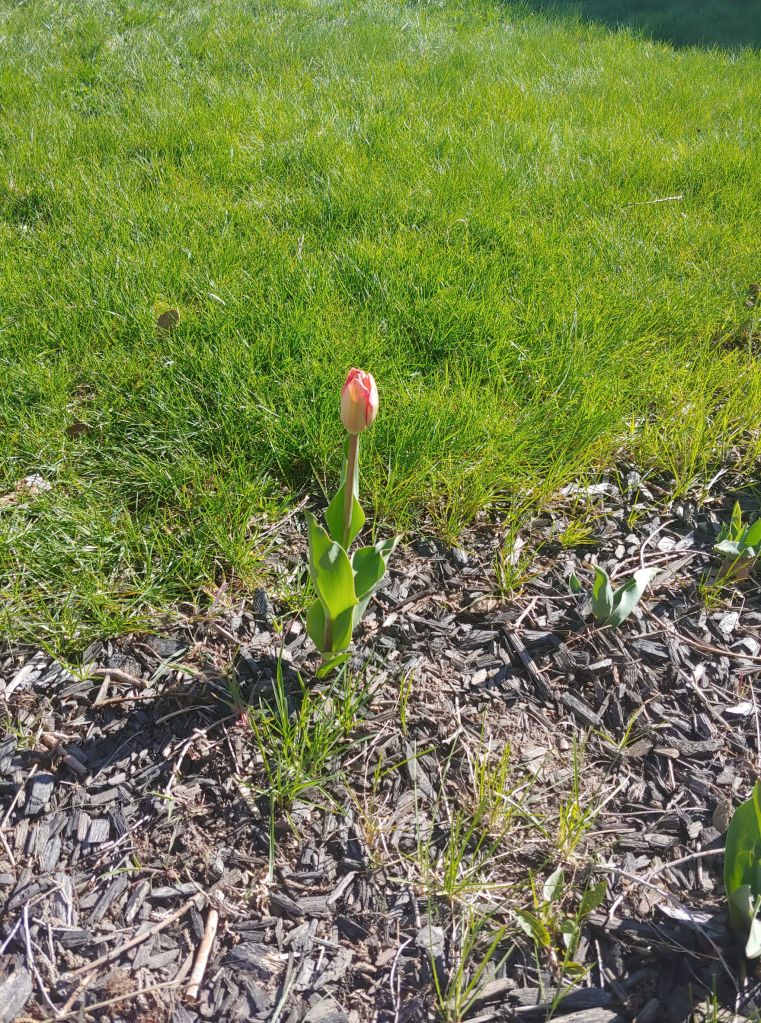
Finally!
Succulent Gettin’ Ready to Bloom
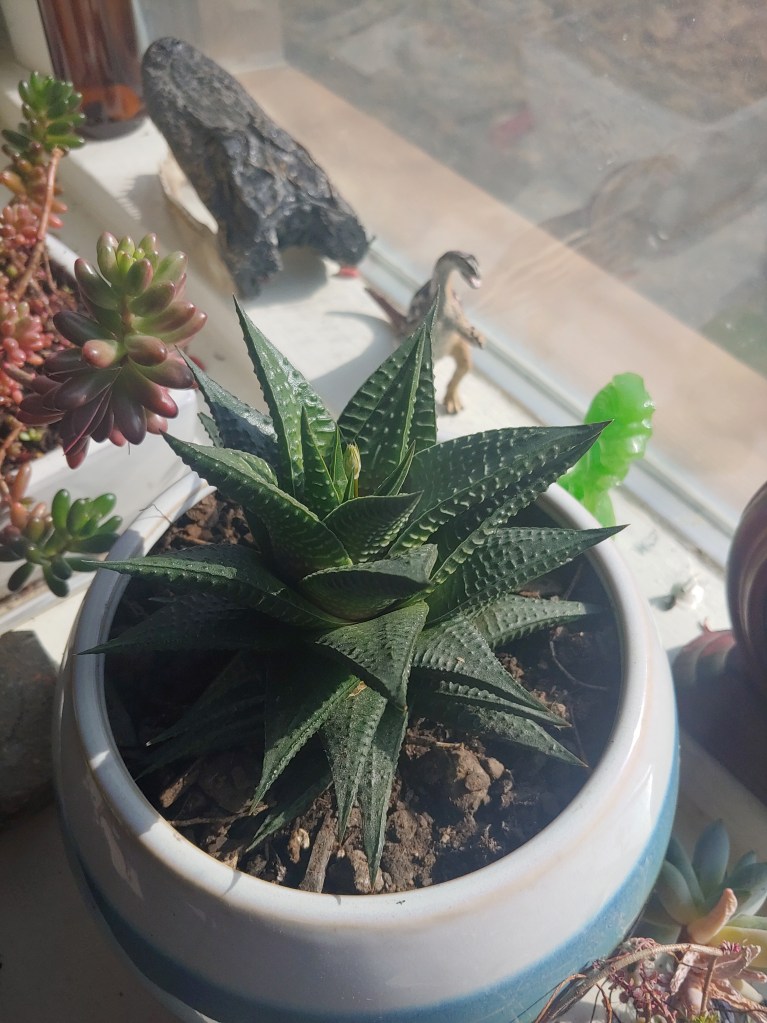
Hold up. Gotta get much taller first …

When Your Interests Converge …
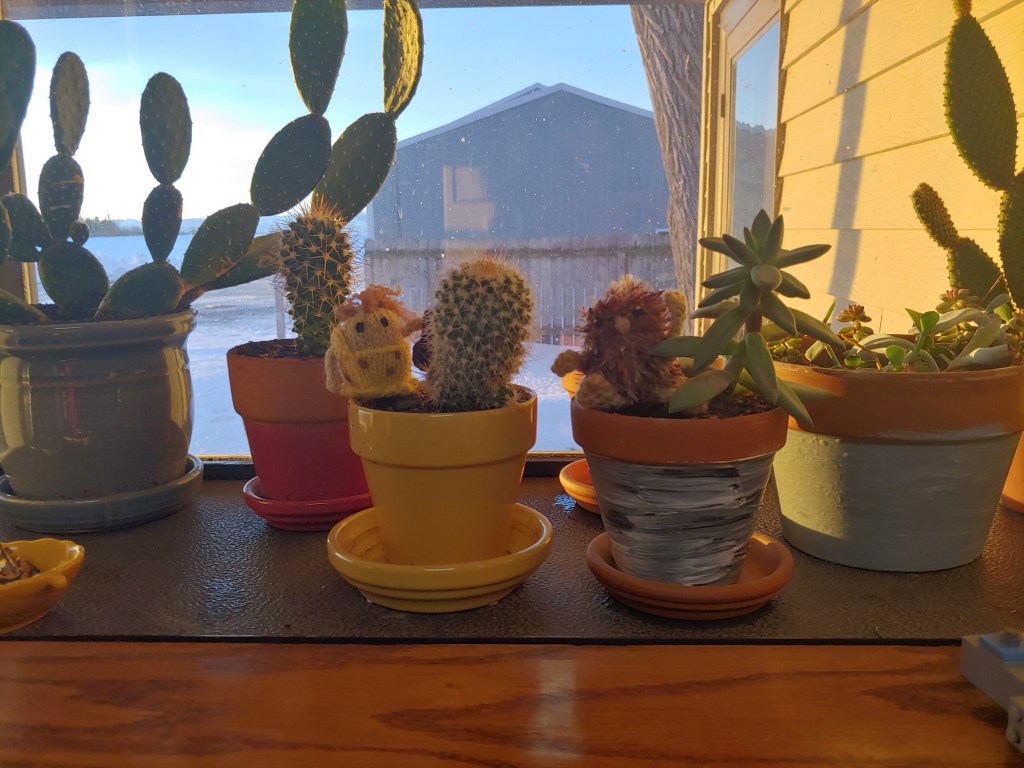
… and the little knitted cave creatures just look so good sitting next to the cacti, in the snowy winter dawn.
Corn Cobs as Fuel
I wanted to know whether I could use the few pitiful dried corn stalks left over from my garden as a fire-starter. Poking around on the Internet, I stumbled across this blog post about burning corn cobs, which has a ton of fascinating historical information. My favorite part is the picture of a North Dakota housewife feeding corn cobs into her kitchen stove, with the baby in a high chair in the background, in 1940.
Forest Gardens
So, a member of the Out of Babel research team sent me this cool link. (The research team being blog readers/friends who send me links.)
Apparently, the native peoples of British Columbia made gardens in the temperate rain forests up there. These were patches of forest where they planted edibles such as “hazelnuts, crabapples, cranberries, and hawthorn.” These patches persist to this day. They did not look like agriculture to the Europeans. We are just now realizing what they were, a mere 200 years behind the times as usual.
This article brings to mind the Wild Yam Question, which was raised by an old ethnology professor of mine. Part of the Wild Yam thesis is that people groups who look to city-dwellers’ eyes like hunter-gatherers, may actually be engaging in horticulture, where they plant a staple food (such as sago palm) in clusters in the forest and then rotate where they harvest it, which looks like pure foraging but isn’t. According to the linked article, the forest gardens in BC are the first instance of this kind of horticulture that has been discovered in a temperate climate.
And not to go on a patented Out of Babel rant, but I’ll just note that this kind of discovery undermines the old model of anthropology where people start out as hunter-gatherers and progress to gardens, then large-scale agriculture, and so on, becoming more urban as they go. This suggests that there are a variety of ways to do agriculture and that people can mix elements of different lifestyles to suit their needs. This, in turn, suggests that we can’t just look at whether a given people group has agriculture, and assume that we can infer from this when they lived or what stage of development they were in. There may well have been people groups who went from being farmers or herdsmen to being hunters when forced to do so, either because they were migrating or in response to some disaster. In fact, this is exactly what happens to Enmer’s tribe in my trilogy.

