The Perfect Book Tag

I was tagged for this by my favorite literate primate. How could I let her down?

n.b. “Perfect,” as I will use it below, doesn’t always mean perfect but rather perfect in its context or else merely “really terrific.” Especially when used of actual, historical people. As we all know, perfection isn’t perfect, right?

The Perfect Genre

“Pick a book that perfectly represents its genre.”
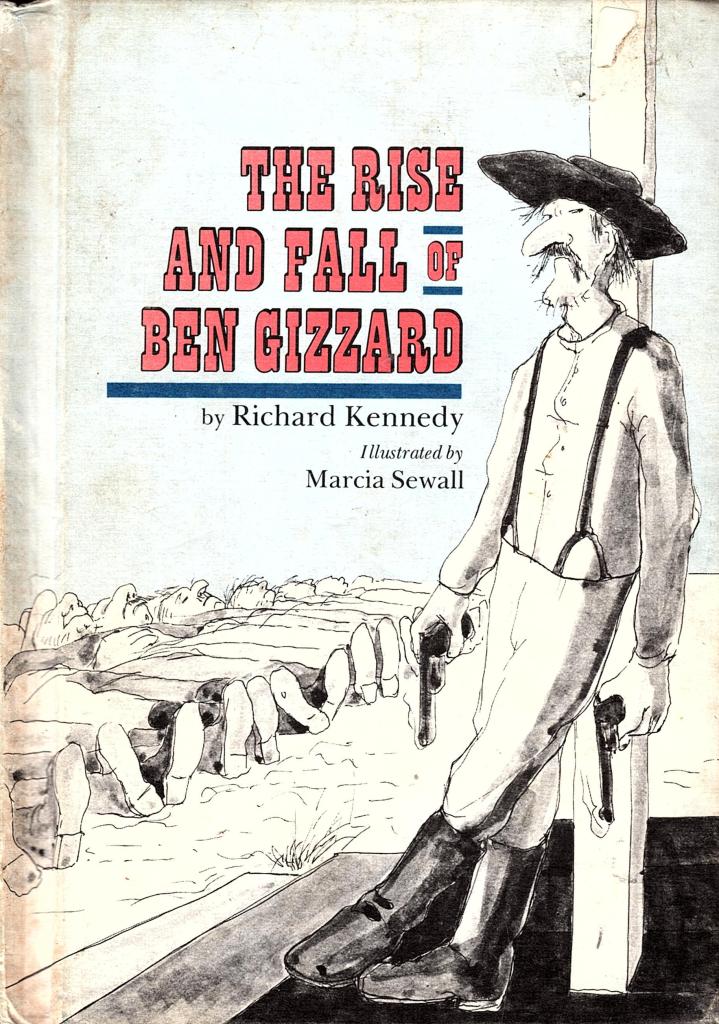
The Rise and Fall of Ben Gizzard is the perfect Western.

“Ben Gizzard would die on the day he saw a white mountain upside down and a black bird talked to him, but not before. An old Indian he cheated out of some furs told him this.

“This was good news to a man as mean and crafty as Ben Gizzard. He settled in treeless, birdless Depression Gulch and cheated, robbed, and killed his way to riches. How his life seemed charmed in that place where there were neither mountains nor birds!

“But one day a young artist arrived in town with a large black bird sitting on his shoulder. Oh, Ben Gizzard!

“Our slithering villain comes to his end when he least expects it, and the world is a better place without him, and a better place for the telling of his story, which is both funny and awesome.”

The Perfect Setting

“Pick a book that takes place in a perfect place.”
Gosh, there are so many books that I love for their setting. There is Pearl Buck’s Pavilion of Women (an aristocratic household in pre-Mao China), Susan Cooper’s The Grey King (Wales, with magic), and Alexander McCall Smith’s No. 1 Ladies’ Detective Agency series (modern-day Botswana).

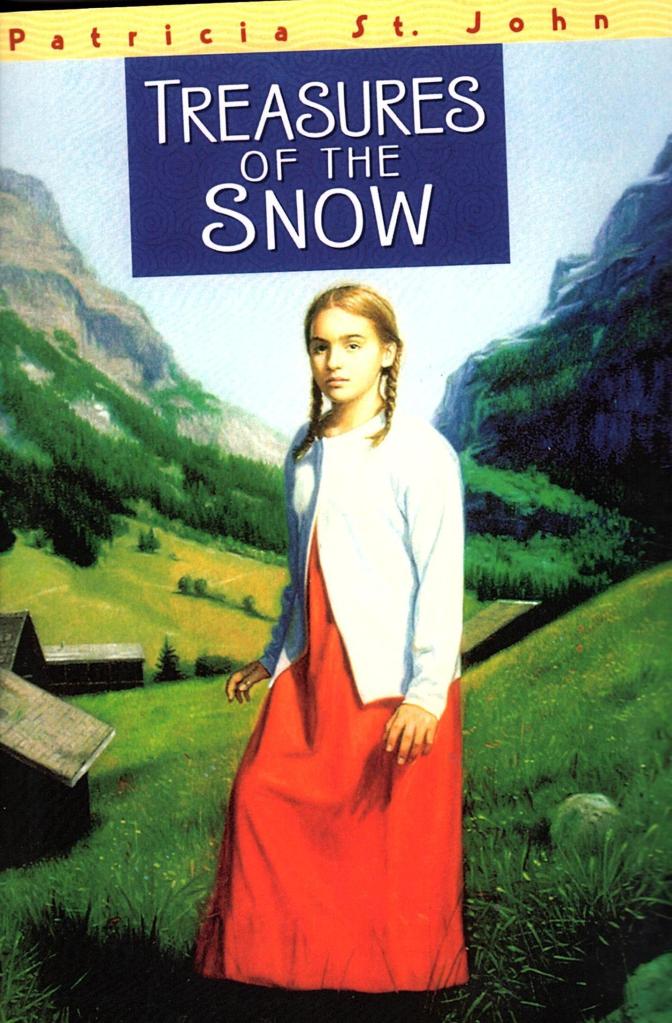
But my top pick would have to be Treasures of the Snow by Patricia St. John. It takes place in a beautiful, sensuously described version of Switzerland (example: the children picking fresh strawberries and eating them with cream for lunch) and, of course, the fact that everything is so mountainous is crucial to the plot.

The Perfect Main Character

“Pick the perfect main character.”

I’m gonna have to go with Bilbo Baggins here. His combination of humility and spunk cannot be beat.

The Perfect Best Friend

“Loyal and supportive, pick a character that you think is the best friend ever.”

Sam Gamgee would be an obvious choice, but there are class issues there, so instead, let me name Mr. Tumnus from The Lion, the Witch, and the Wardrobe.

Reason: Tumnus just met Lucy an hour or two ago and she has not done anything special for him … and yet he’s ready to put his own life on the line to protect her from the Witch’s secret police. “Greater love has no one than this, that he lay down his life for his friend.”

The Perfect Love Interest

“Pick a character you think would be an amazing romantic partner.”

Playing “mad dog” with his children.

Charles Ingalls from the Little House series.

On the down side, he will drag you and your children across the American frontier, where you will almost lose your lives in every. single. chapter.

But on the plus side! The man can build a livable house, single-handed, in a few weeks. He can dig a well, provide food, and make friends with the Indians. He’s never met a stranger. He is gentle and kind with Caroline and his daughters, and he is unflaggingly cheerful, even when starving. (Read The Long Winter and watch him effusively praise the dehydrated cod gravy that Caroline breaks out to put some variety in the family’s totally inadequate diet.) And he can fiddle, sing, and dance! What more could you ask for?

This guy is a ball of energy and good cheer. There would be no better person to have by your side in the hairy situations that he will surely get you into.

The Perfect Villain

“Pick a character with the most sinister mind.”

“Amazing Amy” from Gone Girl. I don’t think it will be too much of a spoiler, by now, to tell you that she fakes her own death and frames her husband for it, then fantasizes about “him getting butt-raped in jail.” It’s never clear what Nick did to deserve such a fate, other than fail to think she is sufficiently amazing. And that trick she pulls at the end of the book … well …!

The Perfect Family

“Pick a perfect bookish family.”
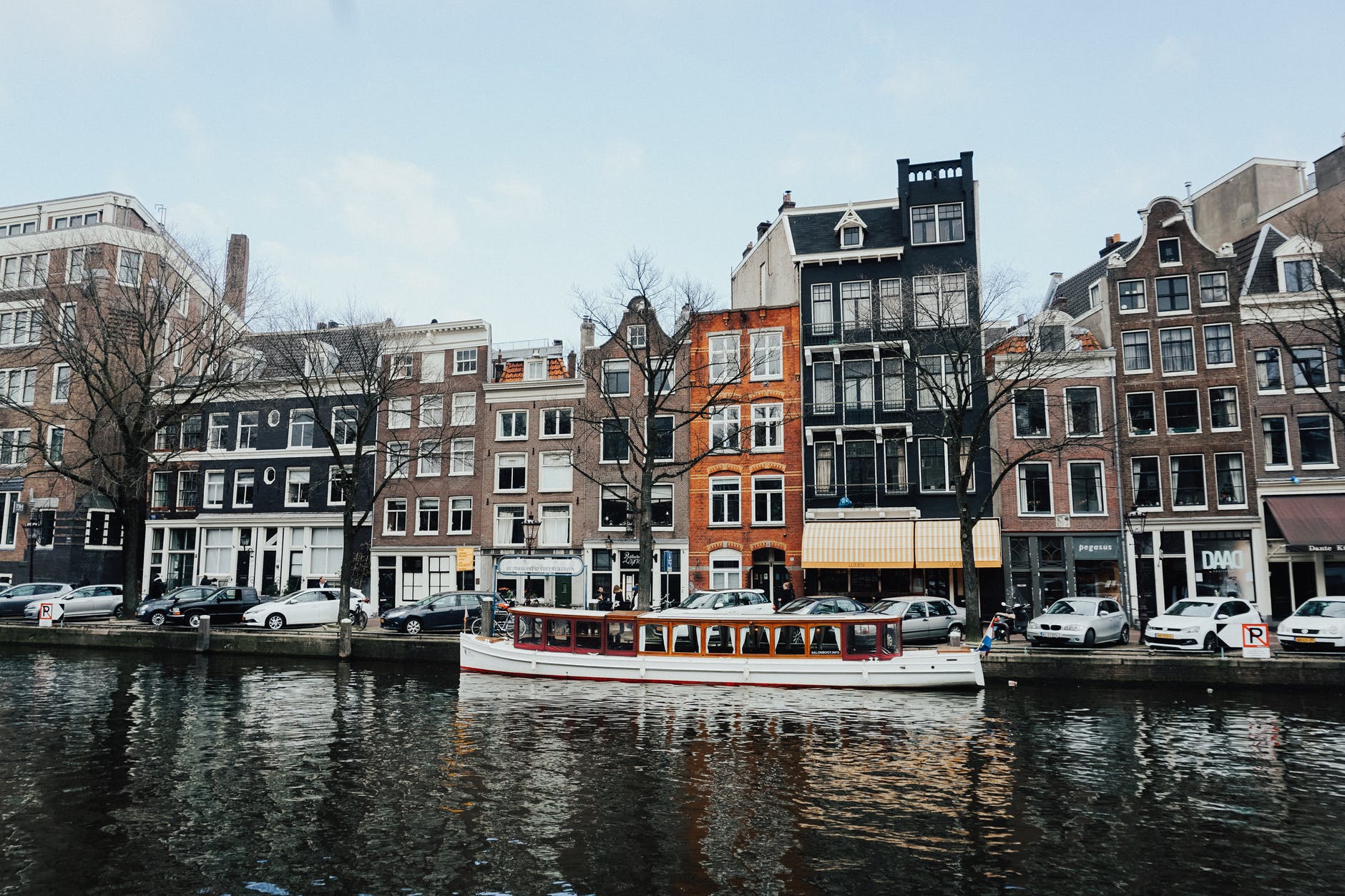
Photo by Kata Pal on Pexels.com

Since I was a little hard on the Dutch on Friday, let me rehabilitate them a bit. My “perfect bookish family” is a Dutch family, and they actually lived: the ten Boom family of Haarlem, circa 1935.

Corrie ten Boom’s book The Hiding Place describes how the family took in Jews during the occupation until they were turned in and went to concentration camps themselves. Even though the book is about the Holocaust, it is heartwarming and includes many laugh-out-loud moments. The heartwarming part is Corrie’s description of the family’s life in their tiny, ramshackle house/watch shop. The laughing out loud comes mostly from the personality of her father, Casper ten Boom, a true character and an amazing man of God whom I look forward to meeting some day. Corrie’s mom was also amazing, and I think it was her warm personality (and Casper’s) that offset the natural sternness of the Dutch of that time, making the ten Booms … the perfect bookish family.

The Perfect Animal or Pet

“Pick a pet or fantastic animal that you need to see on a book.”

Photo by Pixabay on Pexels.com

The humble chicken.

There are a few books with a chicken protagonist. The Book of the Dun Cow, by Walter Wangerin, Jr., is one. There is also a Russian fairy tale where a rooster saves two poor children:

“I, the cock, have a crimson comb / And the wicked czar has nothing like it! / He took away their fortune / from two poor little orphans / And he dines in style / while they go hungry!”

The Perfect Plot Twist

“Pick a book with the best plot twist.”
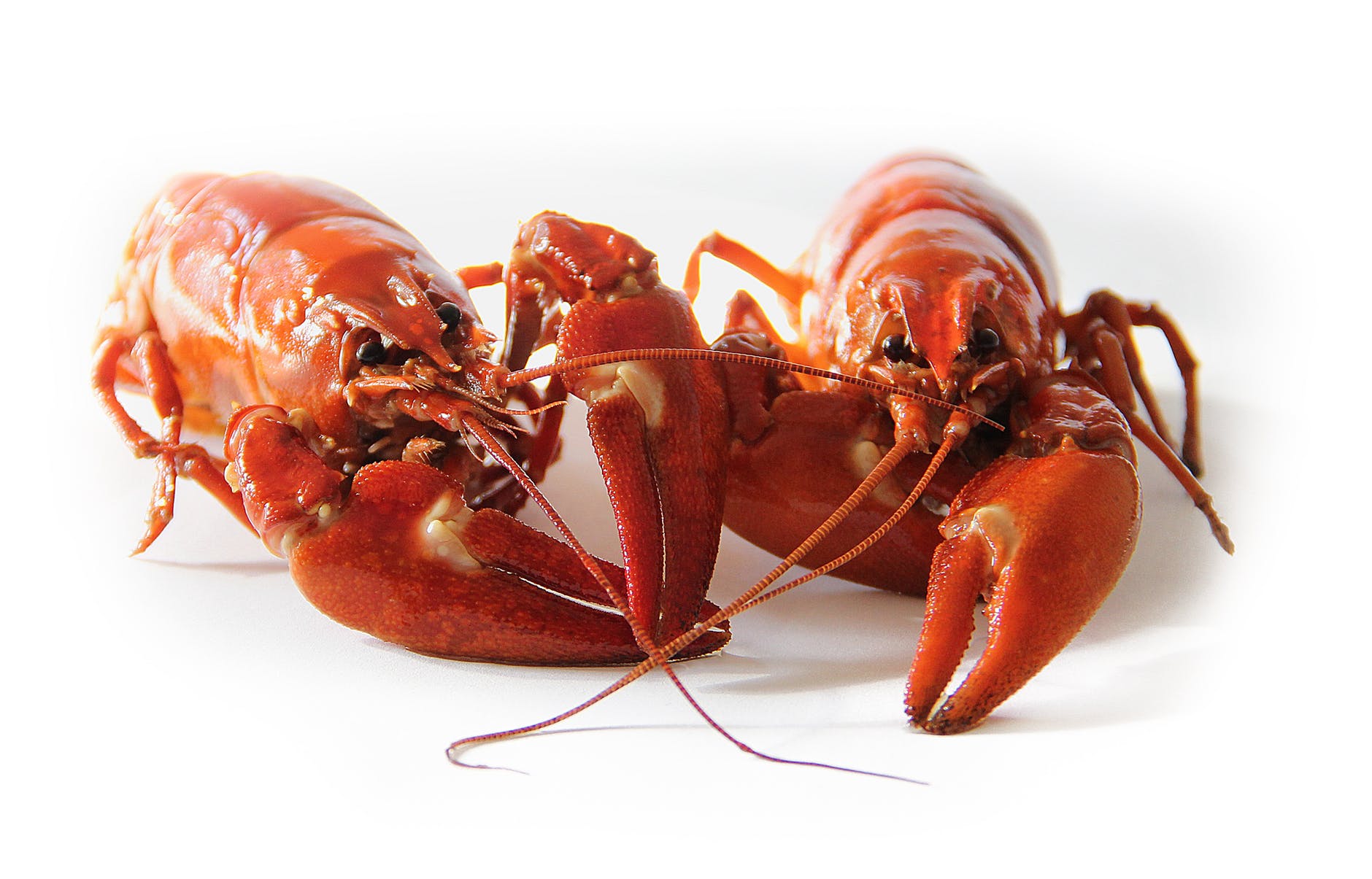
Photo by Pixabay on Pexels.com

Stern Men by Elizabeth Gilbert.

(Yes … it’s about lobstermen.)

Though it takes place on a tiny island in Maine, this book features a Jane Austen-worthy plot twist near the end.

The Perfect Trope

“Pick a trope that you would add to your own book without thinking.”

Photo by Luis Quintero on Pexels.com

Spiritual transformation of a main character.

Not only would I add this without thinking, I actually wouldn’t think of writing a novel where it did not happen. To me, spiritual transformation is a critical part of a novel.

(Not that I don’t enjoy books where this trope doesn’t take place. Mystery series, particularly, do well if the detective MCs are fairly static.)

There are a few novels where the transformation is almost the only thing that happens. I give you The End of the Affair by Graham Greene, and all the Church of England novels by Susan Howatch. But much more commonly, the MC’s spiritual transformation happens as a result of a lot of other action in the plot, as in The Hobbit (fantasy), Identity Man by Andrew Klavan (crime thriller), and many, many others.

The Perfect Cover

“Pick the cover that you would easily put on your own book.”
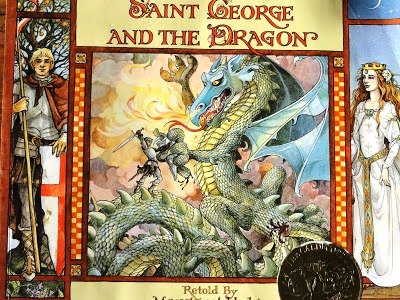
My book is not St. George and the Dragon, but this is the artist I would have wanted to do my covers: Trina Schart Hyman. She’s gone now, but her art lives on. I have been trying my whole life to draw and paint like she did. I’ll bet she would have made the ruined Tower of Babel look amazing.

The Perfect Ending

“Pick a book that has the perfect ending.”
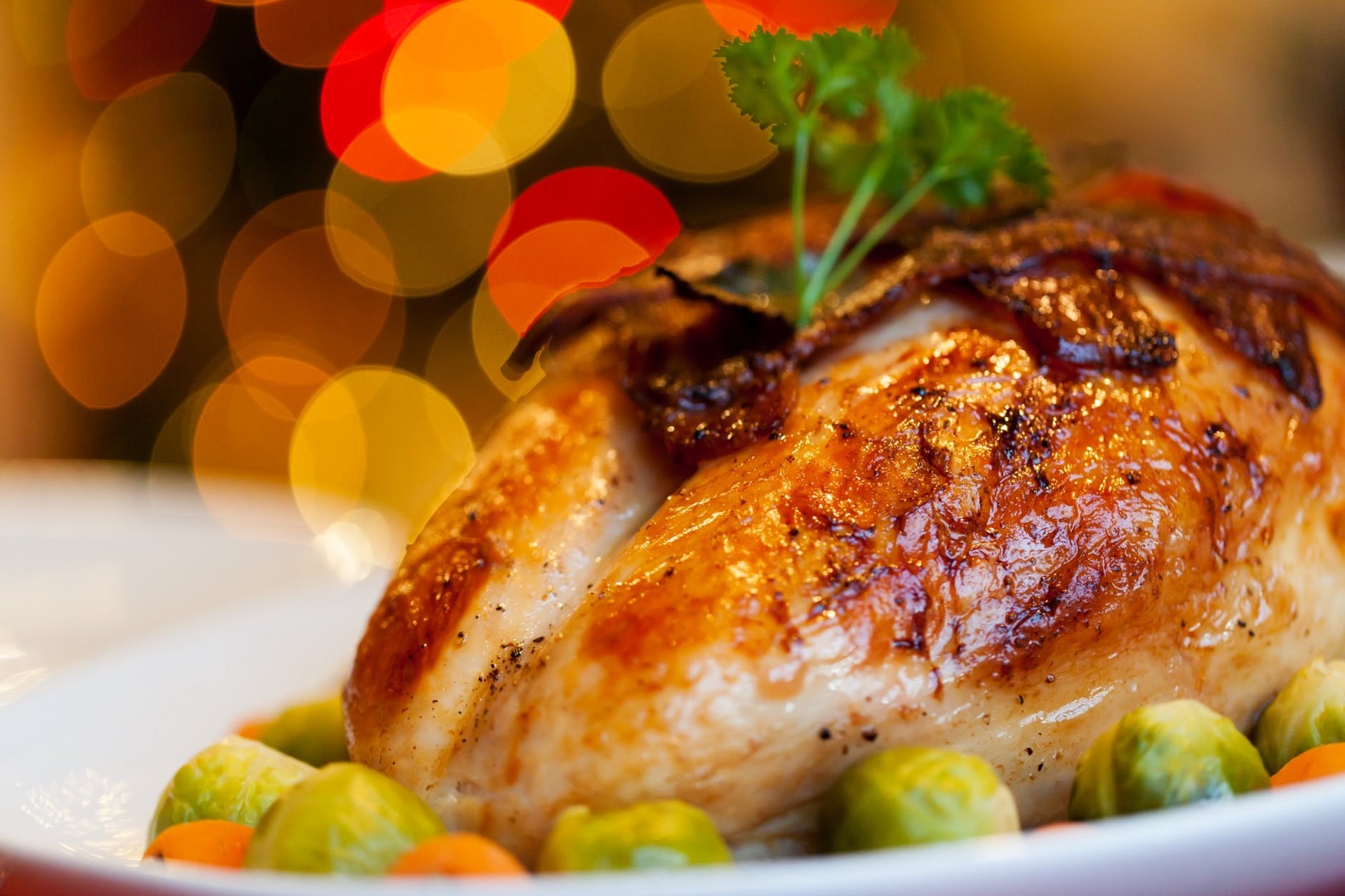
Photo by Public Domain Pictures on Pexels.com

A Christmas Carol.

It’s the ultimate happy ending. We feel Scrooge’s childlike joy when he realizes he is being given another chance at life. Also, Tiny Tim is not dead after all and Scrooge has a chance to save him. “The spirits did it all in one night!” There is a strong sense of death and re-birth, not just of Scrooge but of his entire world.

I realize that everyone knows how the book ends and you might think of it as a cliche at this point, but really, if you read the entire book, hanging in there through Scrooge’s sad childhood, slow hardening, the horrific descriptions of poverty, etc., and then you get to the end and it doesn’t move you, well, I don’t know what to do for you, really.

The I Dare You Tag, a.k.a. “I Am Easily Guilted”

I was tagged to answer these questions by author of the wonderful blog The Orangutan Librarian. You should definitely go over there and check out her posts. Number one, she’s an orangutan, and number two, she has some great satirical pieces.

What book has been on your shelf the longest?

I was going to show a Bible picture book that I’ve had since I was 3, but it turns out it is not on my shelf any more as I have passed it on to a niece. So, here …

What is your current read, your last read, and the book you’ll read next?

What book did everyone like, but you hated?

OK, this is the question that calls for courage. 

There are several that everyone agrees are great, and they probably are, but I’m avoiding them.

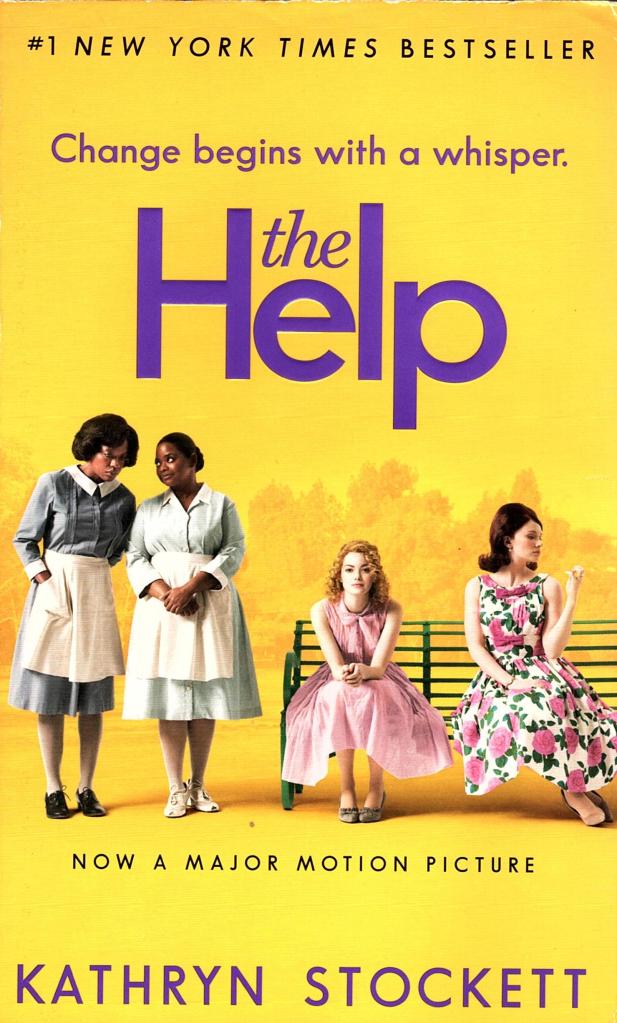
The Hate U Give, The Help, and The Secret Life of Bees.

I even have two of these on my shelf, but I haven’t cracked them open. 

Reason? I’m super easily guilted.  I don’t want to read a book that is going to call me racist, because even though I know I’m not, I’m going to feel responsible for all the bad stuff that happens in the book.  I will go around hanging my head just that little bit lower.  Then I’ll be angry that I am being blamed for segregation or for a police shooting in a city I’ve never been to, and … well, you get the idea.

What book do you keep telling yourself you’ll read, but you probably won’t?

The Brothers Karamazov.  I’ve started it, and it was super good, and I know it has amazing writing and a ton of spiritual insight, but I’ve heard so much about it that I feel like I already know the ending.

What book are you saving for retirement?

At this rate, what I’m saving for retirement is probably my entire career as a novelist.

Last page: Read it first, or wait ‘til the end?

Wait, definitely. Unless you’ve read everything that came before, the last page won’t make much sense and, even if you can sort of figure out what is going on, it certainly won’t have the same impact.

That said, I have been known to skim ahead a page or two in a book, just to break the tension, when I sense that something really awful is about to happen.

Acknowledgement: waste of paper and ink, or interesting aside?

Ok. I have lots of thoughts on acknowledgements.

In general, I like them. They are sweet.  I love it when the author thanks their spouse for all the sacrifices they made.  Also, the acknowledgements can be a way to find out the name of the author’s agent, which is helpful if you write similar kinds of books and want to query the agent.

But I’m not fond of acknowledgements that fill 1 – 2 pages and, seemingly, list every single person who had anything to do with bringing the book to print.  First of all, I can’t pay attention to all those names and my eyes glaze over, and then I feel guilty because clearly all these people deserve to be thanked.

Secondly, these long acknowledgement sections can be discouraging to a fledgling author.  If a dozen people are listed, and every one of them is thanked for their “invaluable edits and corrections,” and is a person “without whose work this book would never have come to be,” we get the impression that it’s impossible to write a book (at least, a decent book) without a team of at least a dozen at your back.  Which means that our current WIP is probably trash, which makes us doubt ourself since we know it’s not.

Also, I once saw a long acknowledgment section by Nicholas Sparks that was nothing but a bunch of puns on the titles of his previous books, none of which I had read. I didn’t end up reading that one either.

Which book character would you switch places with?

Bertie Wooster.  Who wouldn’t want to have Jeeves on hand?

Do you have a book that reminds you of something specific in your life (place, time, person)?

Yes, all of them. 

(I once told a Medieval Lit professor that because of a certain past friendship I had “issues” around the entire corpus of Arthurian legends, and added, “I guess that makes me a real literature dork, right?”

And she said, “I don’t know, I think most people have issues like that with different works of literature.” I think she was right.)

Name a book that you acquired in an interesting way.

A Meeting at Corvallis by S.M. Stirling. I read the first book in this series (Dies the Fire) by checking it out of the library. But I couldn’t find the second one in the library, though they had later books in the series. (What are you thinking, librarians?)  So I was forced to go online and order copies of the missing books.

This shows the value of authors getting their books into libraries, by the way.

Have you ever given a book away for a special reason to a special person?

Only all the time.  It’s called “forcing books on people.” It’s my social handicap (one of many). Apparently I communicate by giving, lending, and recommending books.

Which book has been with you the most places?

This is a tricky one. In my youth I was a world traveler, and I am one of those people who always have to have a book with them, so I have dragged many different books to some very remote places. But it’s never always the same one. I remember reading an Indonesian version of The Two Towers while on a canoe, and reading How Green Was My Valley (in English) sitting on an ironwood porch in the jungle.  Little House probably wins, though, since I re-read that one on the ironwood porch as well. 

Any “required reading” you hated in high school that wasn’t so bad two years later?

No. I liked To Kill A Mockingbird when we read it in high school, and loved it even more later.  I hated 1984 so much that I’ve never gone back to it.

Used or brand new?

Library.

Have you ever read a Dan Brown book?

I can’t remember.  I have read one by another person in a similar genre, and reviewed it here.

Have you ever seen a movie you liked more than the book?

The Great Gatsby (Leo DiCaprio version). The film made the characters sympathetic and the story poignant, which the book didn’t do for me.

Have you ever read a book that’s made you hungry, cookbooks included?

I don’t need a book to make me hungry.

I am easily guilted (is a theme developing here?) by books that feature starvation.

Laura Ingalls Wilder’s book Farmer Boy stars a 9-year-old boy who is always hungry and includes many detailed, sensuous descriptions of food.  Man, that boy could put away the pies! Of course, he was nine years old and was out ploughing all day.

Who is the person whose book advice you’ll always take?

Not sure this person exists.  Even people I respect greatly have different thresholds than I do.

Is there a book out of your comfort zone (e.g., outside your usual reading genre) that you ended up loving?

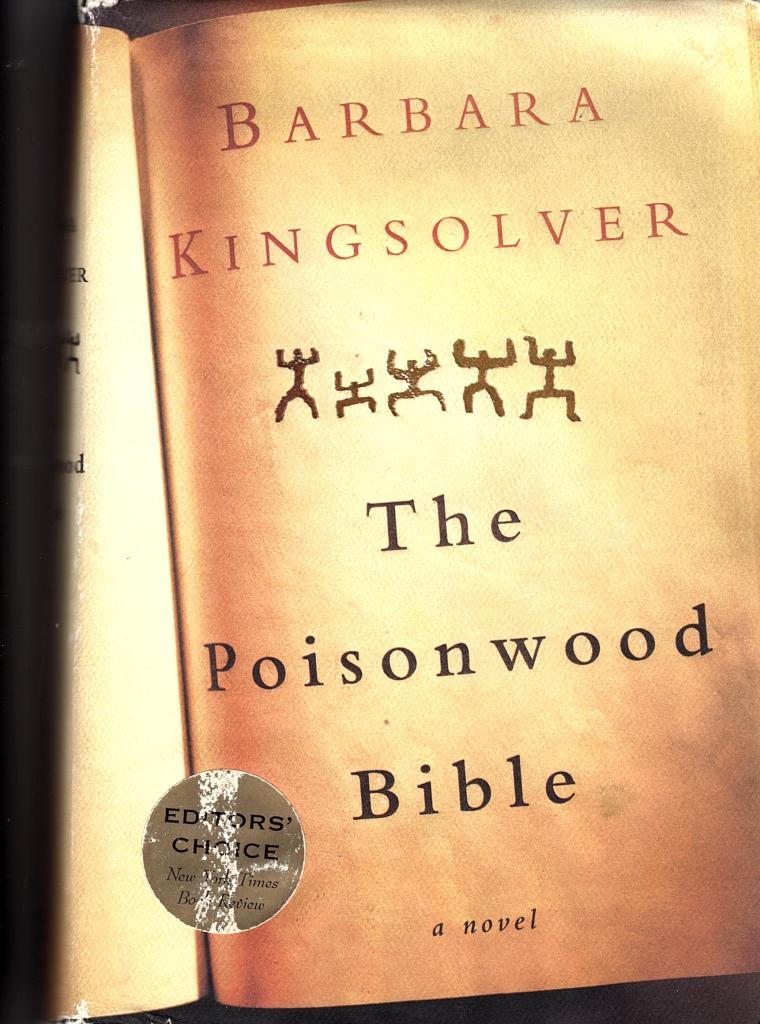
The Poisonwood Bible by Barbara Kingsolver was out of my comfort zone and I avoided it for several years because I got the impression that it demonized missionaries as evil colonialists who don’t bother to learn anything about the cultures they enter.

Eventually, when I’d made some culture crossing mistakes of my own and been through some difficult personal stuff, and I had accepted myself as a flawed person and life had calmed down a bit, I felt ready to read it.

It is brilliant. 

I still think it demonizes missionaries to some extent, but it is such good literature that even the Baptist pastor villain is portrayed in a complex way. It does a great job of showing the huge learning curve faced by Westerners when entering a West African culture.  It deals with white guilt, parenting guilt, and more. At least three of the characters made me go, “This is me!”

Also, the sections narrated by the pastor’s oldest daughter Rachel are hilarious because they’re filled with malapropisms.

Now it’s my turn to tag you.

Tag! You’re it. If you want to do this tag, go home and do it, and let me know. Or answer randomly selected questions from this tag in the comments.

I am your Sunshine Blogger

And you are mine.

So, the Sunshine Blogger award is given to bloggers by other bloggers who believe that the recipients spread sunshine. Imagine how surprised and thrilled I was to be given this award by Rachael Corbin at The Crooked Pen. Thanks, Rachael!

The Sunshine Blogger award is also a tag. If you get tagged, you must …

  1. Thank the person who nominated you and provide a link back to their blogging site.
  2. Answer the questions.
  3. Nominate 11 other bloggers and ask them 11 new questions.
  4. Notify the nominees about it by commenting on one of their blog posts.
  5. List the rules and display the sunshine blogger award logo on your site or on your post.

So, Numbers 1 and 5 down, 2 through 4 to go.

Here were Rachael’s questions:

  1. What was the most transformative reading experience you have ever had?

I am going to leave out those times when I’m reading some passage in the Bible and all of a sudden something jumps out and punches me in the gut.  Or when it crawls into my head and becomes lembas that I feed on throughout the day. Some of you readers will know what I mean.

Other than that, my most transformative reading experience has been ‘Til We Have Faces by C.S. Lewis.  I read it in college.  The tortured friendship between Orual and Psyche in the book closely mirrored a relationship that had been toturing me through the previous several years … though of course with a much more tragic yet satisfying ending.  Anway, it helped me see that some of the problems we were having were not purely my fault nor purely hers, but built into the nature of reality.  Also, Faces is just packed with insights and it’s set in an ancient pagan culture, which I love.  C.S. Lewis is under-appreciated for his ability to write horror, and there is plenty of that in this book.

2. What is a book you wish someone would write?

To be honest, it’s probably already been written.

I’m a sucker for well-researched fiction set in ancient cultures.  So I would love to read a book set in the heyday of the Anasazi … or Carthage during the Punic Wars … or a Noble Savage book where the noble savage is one of the Gauls during Caesar’s Gallic Wars … or What Was Really Going with Stonehenge.

I have seen people take a stab at some of these, but never as thoroughly as I’d like.  But, again, they are probably out there.  I just haven’t discovered them yet.

For example, Bjorn Andreas-Bull Hansen has written some novels about Vikings.  I think these are exactly the Viking novels I’ve always wanted to read … but they don’t exist in a language that I know! Aargh! (By the way, go to his site. Sign the petition to get his books translated into English.)

But I have, in my possession, waiting to be read, Pompeii by Robert Harris and People of the Silence (about the Anasazi) by Kathleen O’Neal Gear and Michael W. Gear.  I have high hopes for both these books.

3. Where is somewhere you really want to go, but have only read about in a book?

It would be shorter to list places that don’t match that description.

I guess my current #1 place would be Mongolia.  I had to research it for my first book, and it looks so beautiful.  It also resembles my home state a bit in the sense of being vast, treeless, high-altitude, and far inland. And I love the herding culture.  The food is gross though.  (Follow that link and scroll down to the heading “Exotic Nomad Foods.”) Also, my kids are extremely interested in the Mongolian Death Worm.

4. If you could have a book re-written, which book would it be?

1984.  I know, I know, the ending is integral to the book itself, but … still. I would like to see Winston hold firm at the end.  Or find out that Julia had.

5. What is a book you dislike that everyone else loves?

1984 and The Great Gatsby.  (Or, I guess people love these?)

6. If you had the power to bring any mythical creature to life, which creature would it be?

The Mongolian Death Worm.

Just kidding.  I don’t know.  Maybe Grendel so I could find out whether he was really a T-Rex.

7. Where is your ideal reading spot?

When I am reading, any spot becomes ideal.  (Car, bus seat, middle of a party …)  But I prefer to be comfy (plushy chair or sofa) with a view of the outdoors and some place to set my coffee.

8. What is the most disappointing book you have ever read and why?

OK, I am going to pick on one particular book here, but it’s representative of a whole category of disappointing books.

The Sign by Raymond Khoury, 2009.   This book was disappointing for many different reasons (see my full review of it here).  But the main reason was this: it promised mystical adventures but delivered only international intrigue. 

It is not the only book that has this problem.  It’s just the only one that I happen to be able to remember the title of.

9. What is your favorite genre of book and why?

Ancient mysteries/historical fiction set in ancient cultures.  But I don’t read a lot of this genre for two reasons.  Firstly, it’s kind of hard to find.  Too often, purported “ancient mysteries” books end up being modern thrillers.  (See above.)  And when I do find a book that scratches this itch, I have to be careful.  If I’m writing my own version of this genre at the time, I don’t necessarily want to be pulled into another world until my own has gelled.

So what I end up reading a lot is mysteries, especially mysteries with an anthropological bent like those by the wonderful Tony Hillerman.

As for why the “ancient mysteries” genre is my favorite (also why I like my mysteries to be anthropological), I can do no better than to quote the following poem from C.S. Lewis, titled, “To Certain Writers of Science Fiction”:

Why did you lead us on like this

Light-year on light-year, through the abyss,

Building, as if we cared for size,

Empires that covered galaxies,

If at the journey’s end we find

The same old stuff we left behind …

Well-worth Tellurian stories of

Crooks, spies, conspirators, or love,

Whose setting might as well have been

The Bronx, Montmarte, or Bethnal Green?

Why should I leave this green-floored cell,

Roofed with blue air, in which we dwell,

Unless, beyond its guarded gates,

Long, long desired, the unearthly waits:

Strangeness that moves us more than fear,

Beauty that stabs with tingling spear,

Or wonder, laying on the heart

That fingertip at which we start

As if some thought too swift and shy

For reason’s grasp had just gone by?

10. If you could make one book required reading, which book would it be and why?

The Everlasting Man by G.K. Chesterton.  I almost listed this one as my transformative book because it set me free to love paganism while still remaining a Christian.  I think everyone should read it because there is a ton of misunderstanding out there about the pagan roots of all cultures, and this book clears that up in such a beautiful, lyrically written way even though it’s nonfiction.   

One major qualifier.  Chesterton frequently lapses into anti-Semitism and it’s really jarring, not to mention inconsistent with his usual generous way of viewing the world.  (TEM was published in 1925, before the Holocaust.)  Also, as this book was written almost 100 years ago, Chesterton can come off as overly focused on the West and a bit insensitive and ignorant about non-Western cultures.  Nevertheless, his insights about paganism can be fruitfully applied to any traditional culture, and I think they ought to be.

Other than that, I heartily recommend this book.  I am thinking about doing a Hallowe’en post that relies heavily upon it.

11. What is your favorite bookish ship? (noncanonical and crack-ships are acceptable answers)

Haha, so at first I was going to name the Dawn Treader from Voyage of the Dawn Treader because I don’t read a lot of sea stories …

For those who aren’t up on fan fiction terminology (as I barely am), a ship is when you imagine two characters from a book or books getting together as couple.  (Short for “relationship.”)  Non-canonical ships are pairings that didn’t happen in the original book or series.  “Crack” ships are pairings that you would have to be on crack to even think of.

I am not a big noncanonical shipper. I just enjoy the ships as they show up in the books.  But, I did always think that rather than going off to live with the dwarfs and eventually get kissed by the Prince, Snow White ought to have run off with the huntsman.

Now, here are my questions for you …

  1. What kinds of non-fiction are you most likely to read?
  2. What is your culture crush? If you are a book blogger, you must have at least one. But please feel free to list more than one.
  3. What one currently living writer would you most like to have lunch, a beer, or coffee with?  (Pastors count if they have written a good book or two. Bonus points if it’s a pastor you could have a beer with.)
  4. What genre do you think is not your favorite, but find yourself picking up again and again?
  5. Sex scenes: poetic, explicit, or none at all?
  6. Favorite animal protagonist from a book or series?
  7. Have you ever stopped identifying with the point-of-view character in a novel, and what caused it?
  8. Did you then finish the book, or put it down?
  9. Dream vehicle from real life or fiction.
  10. If you currently have a Work in Progress (or are pitching a recently finished one out), give us your one-sentence hook for it.
  11. Post a favorite poem or fragment of poetry. If you don’t read poetry, then song lyrics count.

By the way. Commenters, if one of these questions really pulls your chain, feel free to answer it in the comments.

The following bloggers are my sunshine:

Kathleen Rollins of Misfits and Heroes

R.S. Rook of The Rookery

David of The Warden’s Walk

Black Sheep of Not Sheep Minded

Jen of “Of Time Storms and Tourniquets”

Book Stooge

Ed Mooney of Ruinhunter

Devouring Books

Katie Jane Gallagher

Jaclyn of Tiny Ticky Tacky

Colin of ColinD.Smith.com